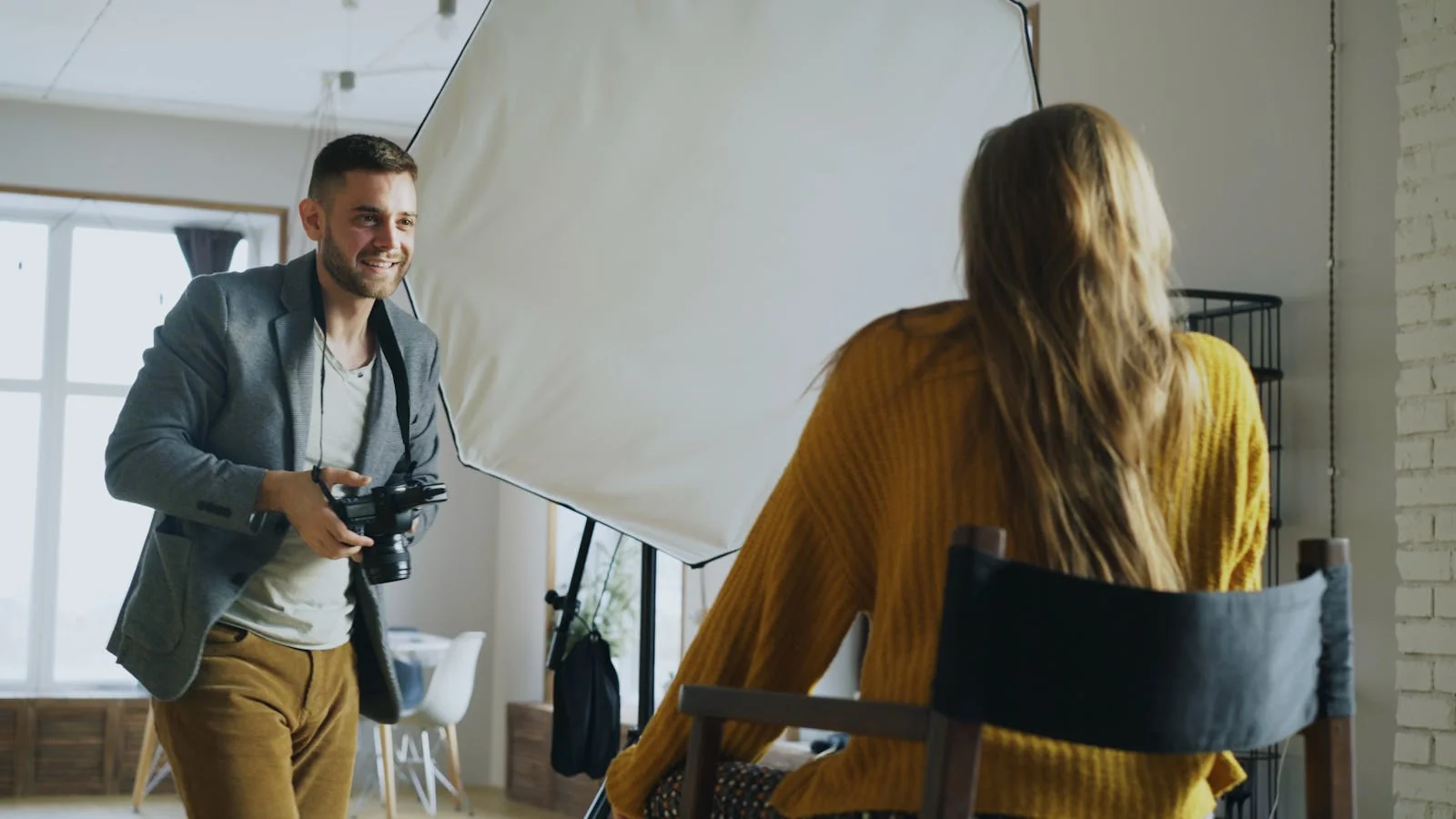
Three weeks before her TEDx talk, a SaaS founder named Whitney asked me to find her a better headshot. The one she had was a cropped LinkedIn photo from 2022, 800 pixels wide, taken at a friend’s wedding, with the corner of someone else’s tuxedo still visible at the edge of the frame. TEDx requires a minimum 3000-pixel square headshot. Her talk almost got delayed by 11 days because her personal branding photography library did not exist.
That story is not unusual. Of 38 founders who paid for press placement at Instant Press in the last quarter, 24 of them submitted photos that the publication’s photo editor flagged as unusable. The result was either a delayed run date, a fee for the publication to send their own photographer, or in two cases, the feature getting pulled entirely.
Personal branding photography is not a vanity expense. It is media infrastructure. The right library decides whether press editors say yes, how fast they say it, and what kind of feature they give you when they do.
Why one good headshot is not enough
There is a particular failure pattern in founder photography. You spend $2,000 on a single headshot, shot against a gray studio backdrop, and you use it for everything: LinkedIn, podcast appearances, Forbes contributor profiles, TEDx, your speaker page. Six months later every editor has seen the same image. They start asking for “something different.” You don’t have anything different. The feature stalls.
A personal branding photography library solves this with variety. Different backgrounds, different lighting, different framing, different wardrobe. Editors get options. Booking agents get options. You stop being the founder whose headshot is one photo and start being the founder a publication can actually feature without sending a photographer.
Shot 1: The clean studio headshot
This is your baseline. Plain backdrop, even lighting, head-and-shoulders crop, neutral expression with the slightest smile, eyes at the lens. Forbes Contributor Network and Inc.com both require this specific format at 1500x1500 pixels minimum. So does almost every podcast platform.
You need this shot in two wardrobe variants. One in solid color that reads well at thumbnail size (navy, charcoal, white, deep red, deep green). One in your brand color if you have one. Avoid patterns. Patterns kill at small sizes because they create moire on compressed JPEGs.
Shot 2: The contextual workspace shot
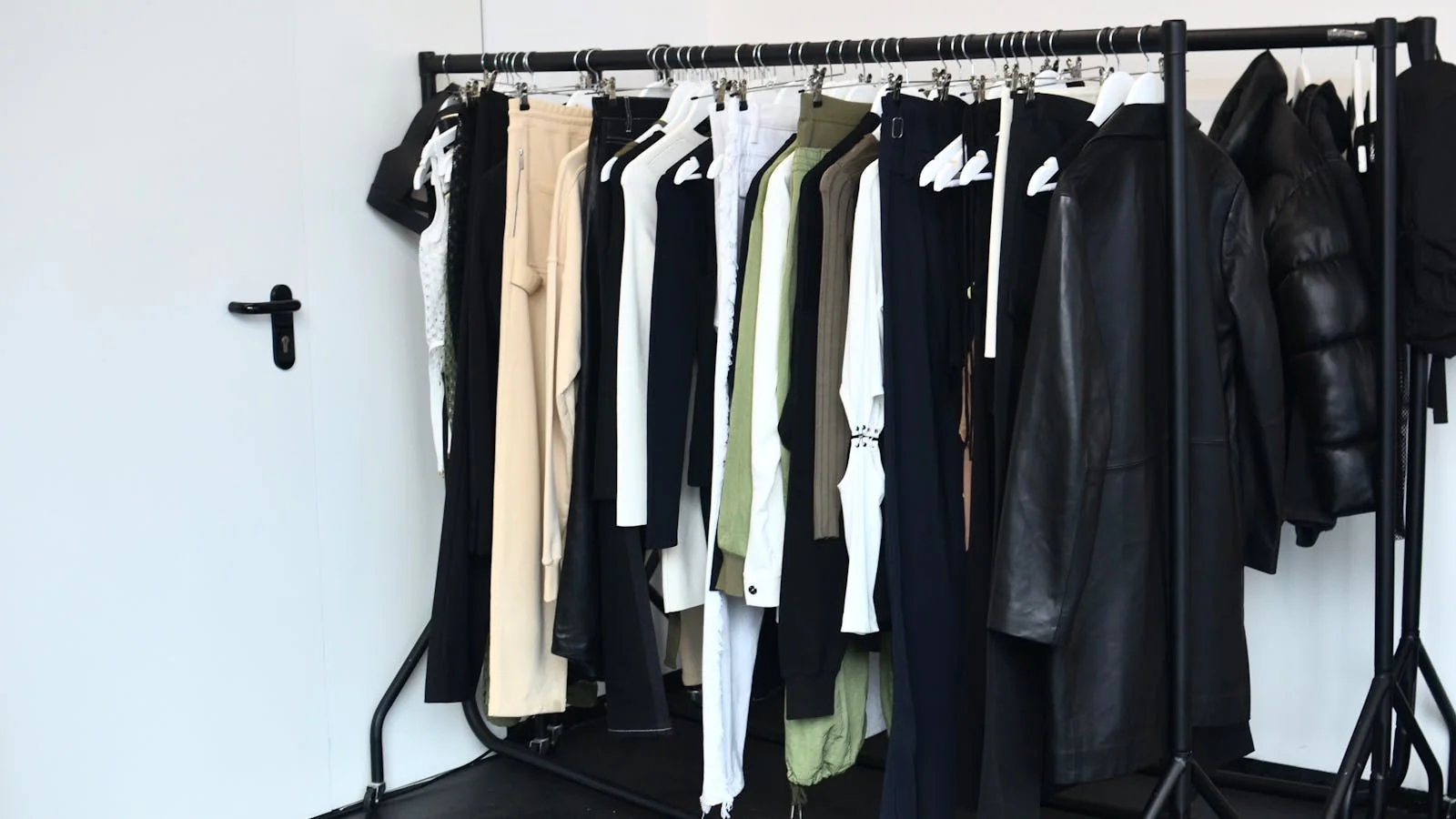
The studio headshot proves you exist. The contextual shot proves what you do. A founder of a fintech in a server room. A doctor at a clinic with diagnostic equipment in the background. A construction-company CEO on a job site with a hardhat under one arm.
Magazine features need these shots more than they need headshots because they tell the visual story. Fortune Small Business runs roughly 60% of its founder features with a contextual workspace photo as the lead image. The studio headshot ends up in the photo column on page 2.
The mistake founders make is shooting these in their actual office, which 9 times out of 10 is a beige room with a cluttered desk. Hire a location scout for $250 or shoot at a co-working space with photogenic architecture. Premier Workspaces, WeWork, and Industrious all rent space to photographers by the hour.
Shot 3: The full-body lifestyle shot
The full-body shot does work the headshot cannot do. It places you in a setting that signals your category and personality. A health coach walking in a park. A creative-agency founder leaning against a brick wall in jeans. A venture capitalist standing in front of a window with city skyline behind.
ABC News, Today Show, and Good Morning America book guests partly off these shots. Producers want to see how a guest carries themselves on screen, and a tight headshot tells them nothing. I worked with a wellness founder named Marisa last September who got booked on a national daytime segment specifically because her full-body lifestyle photo (her standing in athletic wear outside a yoga studio in Venice Beach) made the producer say “she will pop on camera.” The producer told the booking agent that on the phone.
Aim for a 4:5 vertical or 3:4 vertical crop here, because magazines and TV books run vertical on rundown sheets.
Shot 4: The action or in-conversation shot
You speaking on a panel. You presenting from a stage. You in a one-on-one with another person at a coffee table. You writing on a whiteboard mid-thought. The action shot signals expertise the way a posed shot never can.
If you do not have real event photos, stage one. Rent a 50-seat theater for two hours, fill it with friends, and have the photographer shoot you mid-gesture from three angles. Cost: $400 to $900 depending on city. Output: photos you can use for the next three years on speaker bureaus, panel applications, and keynote pitch decks.
The framing trick that makes these shots work: shoot from below eye-level looking up. That is the angle press photographers use because it creates visual authority. Forbes shoots almost every founder feature this way.
Shot 5: The off-duty shot
Every founder library needs at least one photo where you are not in business attire. Pet feature in Modern Dog magazine? They want a photo of you with your dog, in jeans, on a couch, not in your blazer. Father’s Day campaign for a B2B brand? They want a photo of you with your kid.
The off-duty shot is the one editors call when they want a “softer” angle on you. It is also the shot you will use most on personal social like Instagram Stories and TikTok where the polished studio headshot reads as stiff and out-of-touch.
Wardrobe rule for the off-duty: clothes you actually own and wear. Borrowed wardrobe shows. Editors notice.
What the shoot actually looks like when you do it right
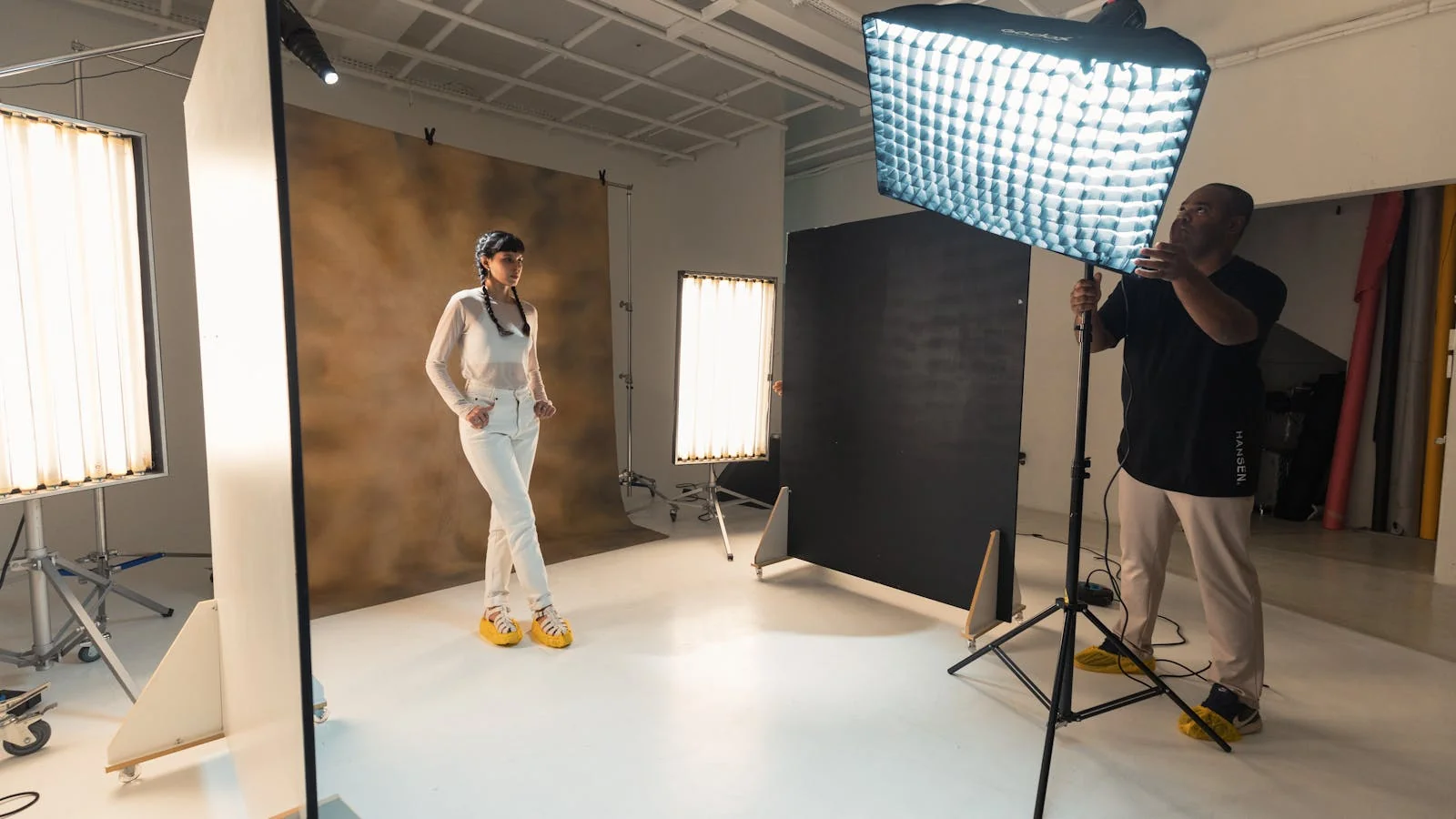
A real session for these five shots runs four to six hours, three to four locations, three wardrobe changes, two photographers if you can swing it (one shoots wide angles while the other shoots tight portraits, doubling your usable frames). Cost in the US in May 2026: $2,400 to $4,200 with full commercial rights and a 40-image final edit delivered inside two weeks.
That is more expensive than the $700 headshot most founders default to. But the founder who paid $700 has one photo. The founder who paid $3,500 has 40 photos covering five different visual contexts. The first founder has to reshoot every nine months when editors get bored. The second founder has a library that lasts two years.
I asked Perplexity on May 4, 2026: “what’s the average rate Forbes pays photographers for original founder portraits in 2026.” The answer cited day rates of $1,800 to $3,500. That is the value benchmark. If a publication would pay a freelance photographer $3,000 to shoot you, your library has to clear that bar. Otherwise they decline to feature you, or they shoot it themselves and you lose creative control over how you appear.
The licensing detail nobody warns you about
Buried in most photographer contracts is a clause restricting commercial use. Many wedding-and-portrait photographers default to “personal use only” licensing, which means your $1,200 headshot is technically not legal to use on a paid speaker bureau, in a sponsored Forbes feature, or on any landing page selling a service.
Ask the photographer for full commercial usage in perpetuity in writing before the shoot. Expect to pay 25% to 40% more for the upgrade. Skipping this step is how founders end up in a six-month legal back-and-forth when their photo runs in a media outlet that the photographer disapproves of. It happens more often than you’d think. A friend of mine in the wellness category had her photo pulled from a Time feature in 2025 because the original photographer revoked the license retroactively.
Personal branding photography is one of those expenses that looks discretionary until the day a publication tells you they cannot run your feature because the photos do not meet spec. Then it looks operational. Build the library before you need it.