The strongest thing you could say about your practice is the thing most likely to get your release deleted.
That is the trap. You have watched patients walk in with chronic pain and walk out moving differently. You want to say so, because it is true and because it is the only part anyone cares about. The moment you write it as a claim, a wire service flags it, a health editor puts it down, and the release that took you two hours dies on a technicality you did not know existed.
Writing a press release for acupuncturists is an exercise in saying the true thing in a form that survives review. The information barely changes. The grammar does.
The thing that kills acupuncture releases is the thing you are proudest of
Distribution services and newsrooms both screen for the same pattern, which is a therapeutic claim stated as established fact. “Acupuncture treats migraines.” “Our clinic relieves chronic back pain.” “Proven to reduce anxiety.” Each of those asserts a clinical outcome on behalf of a practice, and each triggers the same response.
Editors are not being hostile. They carry liability for what they print, and health desks have been burned. A newspaper that prints an unqualified efficacy claim about a complementary therapy invites a complaint it will lose. So they decline, usually without explaining why, and the practitioner concludes the press does not take acupuncture seriously.
The press takes acupuncture seriously. Reputable coverage exists in quantity, in national health sections and in local papers, and almost all of it is written in a specific register. The register is what you are missing, not the credibility.

The Evidence Ladder
Here is the model. Call it the Evidence Ladder. Every statement you might make about your practice sits on one of four rungs, and your job is to write on the highest rung you can genuinely defend rather than the highest rung that sounds best.
The bottom rung is what you observe. “Most of the people who come to me for lower back pain report they can sit through a full working day by the fourth session.” This is your clinical observation, framed as observation, and it is defensible because you are describing your own caseload rather than the therapy.
The second rung is what patients seek. “Around six in ten new enquiries this year named back or neck pain as the reason for booking.” This is demand data. It makes no claim about whether anything works, which is exactly why editors are comfortable printing it.
The third rung is published research, named and characterised accurately. Bodies such as the National Center for Complementary and Integrative Health publish assessments of where evidence for acupuncture is stronger and where it is thin, and citing what they actually concluded is both safe and credible. Say that research has examined a use, or that a named body describes evidence as promising or limited, rather than saying research proves it.
The top rung is regulatory or institutional fact. Your registration body, your scope of practice, whether a local health service refers to you, whether an insurer covers the work. These are checkable facts about the system, and they are the sturdiest material in any release.
Most practitioners write on an imaginary fifth rung above all of these, which is the rung of general assertion. Nothing printed there survives review. Drop one rung and the same release runs.
Work an example through all four rungs and the mechanics become obvious. Say you want to communicate that people with long-standing back pain are finding your clinic useful. On the top rung you would write that acupuncture relieves chronic back pain, which will be rejected. On the research rung you would write that chronic low back pain is among the uses for which national health bodies have assessed the evidence, and name the body. On the demand rung you would write that back pain was the reason given by fifty-eight of your ninety-two new patients last year. On the observation rung you would write that most of those patients had been living with the problem for more than a year before they tried anything like this.
Three of those four are printable. The information a reader takes away from the bottom three is not meaningfully different from the information they would take from the first, which is the point. You lose nothing real by dropping a rung. You lose only the satisfaction of saying it the way you believe it.
Keep the ladder next to you while you draft. Every time you write a sentence, identify its rung. Any sentence you cannot place is a sentence you are guessing at, and guessing is what gets a press release for acupuncturists screened out before a human ever reads it.

How do you write about results without making a claim?
By attributing everything and quantifying what you can.
Attribution moves the claim off you and onto a source. “Patients report” is different from “acupuncture relieves”. “A 2023 review by a named body found” is different from “studies prove”. The information reaches the reader either way. Only one version is printable.
Quantification does the other half. Numbers read as observation rather than persuasion. Saying that ninety of your patients last year came in for pain and that sixty-one booked a further course is a fact about your practice, and a reporter can use it without endorsing anything. Saying acupuncture helps with pain is an opinion the paper would be adopting.
The third tool is the honest limit. Stating what you do not claim, and where you refer out, is the single most credible move available to you. “We do not treat acute infection and we refer suspected red-flag presentations to a GP the same day” reads as professionalism. Editors relax when they see it, because it signals a source who understands the boundary they are worried about.
Give the reporter the local fact, not the philosophy
No local health editor has space for an explanation of qi, meridians, or the history of the practice. They have space for what changed in their coverage area.
So the release should open with a local fact and keep the theory out entirely. A clinic opening in a town that lost its only provider. A waiting list that grew from two weeks to nine. A referral arrangement with a named physiotherapy practice. Prices held for three years and what that decision cost. A clinic accepting patients discharged from a service that closed.
Structure it the way news is structured. Headline stating the change and the place, under about twelve words. A lead paragraph carrying who, what, where, when, and the number, in one or two sentences. Two or three paragraphs of context in descending importance. One printable quote. Contact details and a mobile you will answer.
The quote deserves particular care here. Nothing about being delighted or passionate. Write something only a practitioner could say, on the bottom two rungs of the ladder. “Nearly everyone arriving now has already tried something else and waited a long time for it, and that changes what the first session has to do” is printable, specific, and makes no claim at all.
There is a structural detail worth getting right, which is the boilerplate at the end. A short paragraph stating your registration body, your years in practice, your clinic’s location, and a one-line description of scope is standard and useful. It is also where most practitioners smuggle in the claim they resisted in the body, which undoes the discipline of the whole document. Keep the boilerplate factual. Registration, location, scope, contact. Nothing about philosophy or benefit.
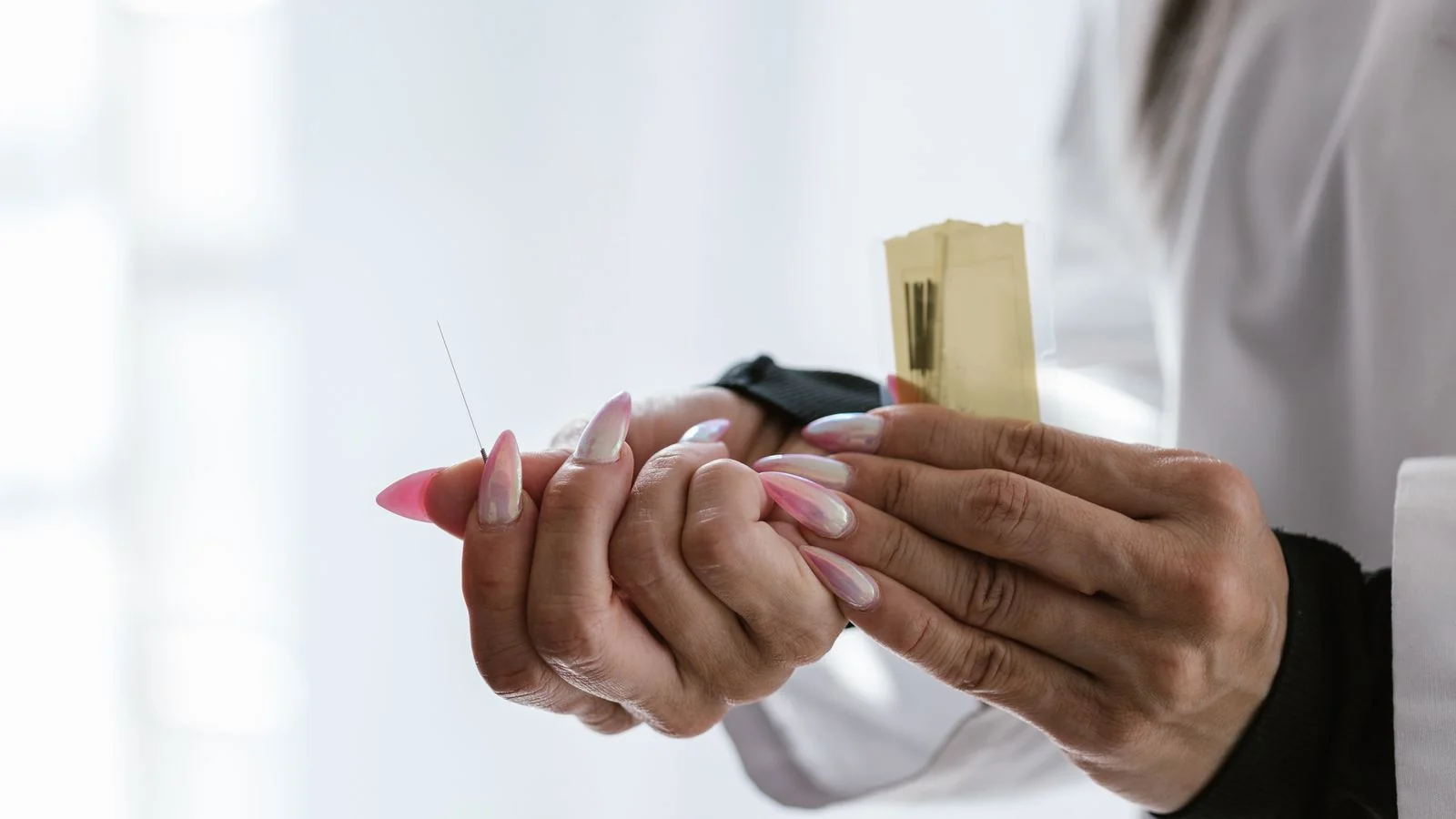
Attach nothing the reporter did not ask for. No photograph of needles going into skin, which many editors will not run and some readers find unpleasant. Offer instead a clean portrait of the practitioner and an image of the treatment room, and say they are available. Let the editor choose what illustrates the story, because they know their audience better than you do.
Finally, decide in advance what you will say if a reporter asks the sceptical question, because a good one will. Something like: does this actually work, or is it placebo. The wrong answer is defensive. The right answer names the disagreement honestly, points at where evidence is stronger and weaker, and returns to what you can speak to, which is what happens in your clinic. A practitioner who can hold that question calmly gets quoted. One who bristles gets replaced in the piece by someone who does not.
Six angles, ranked by how often they run
Access first. Waiting times, geographic gaps, and clinics opening where provision disappeared. This is the most reliably covered story in the category because it is about the health system rather than about the therapy.
Referral second. Any formal or informal relationship with conventional practitioners is news, because it speaks to how services are coping. Get the other party’s permission before naming them.
Cost third. What patients pay, what they do when they cannot, whether people are stretching intervals, and whether insurance coverage changed. Cost-of-living desks run this constantly and are short of named sources.
Patient group fourth. Work substantially with a defined population, whether that is people in cancer aftercare, fertility patients, veterans, or a local sports club, and the story acquires a subject beyond your business.
Workforce fifth. Training numbers, whether new practitioners are entering the field locally, what registration now requires. Slower to place but well received by trade and regional business desks.
Seasonal last, and only when genuine. Exam season, marathon training, winter pain flare-ups. Pitch these six to eight weeks before the season, not during it.
Rank your own list before you write anything, because the ordering above is general and your situation is not. Take the six angles, score each on whether you have a real fact to support it and whether a local outlet has covered anything adjacent in the past year, and write the one that scores highest on both. Most practitioners discover they have a strong access or referral story sitting unused while they were trying to make a seasonal angle work.
A last word on expectations. A press release for acupuncturists is not a lottery ticket, and a single send that goes nowhere proves nothing. The practitioners who end up quoted regularly are the ones who sent four or five well-constructed releases over two years and answered the phone every time. Coverage compounds, because the second story is always easier than the first.
Pick one angle, find the number that proves it, and write four hundred words on the second rung of the ladder. Then send it to the named health reporter at your largest local title, in the body of the email, before ten on a Tuesday. That single disciplined send will do more for you than a year of announcements written on a rung you cannot defend.