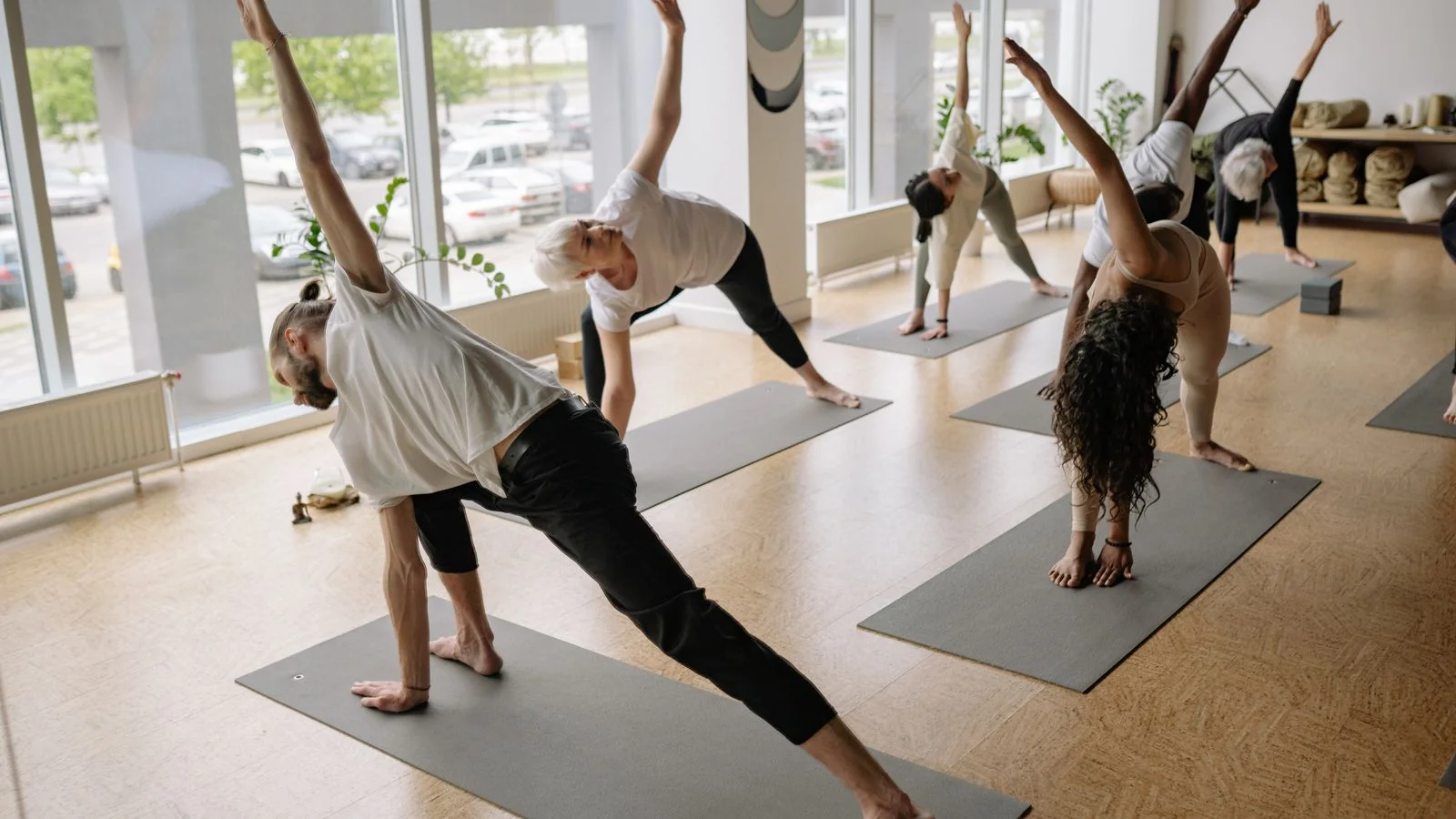
Here is a fact that a lot of yoga studio owners have never quite absorbed. The RYT 200 credential on your teachers’ bios is a registry listing, not a licence.
Yoga Alliance maintains a registry. It is not a regulator, it does not license anyone, and in most of the United States there is no legal requirement of any kind to teach a yoga class to the public. That means the person teaching a room of forty people how to load their shoulders in a handstand may have completed a training over three weekends, and the consumer cannot tell the difference from the schedule.
That is a story. It has been a story for a decade, reporters return to it, and almost no studio owner offers to talk about it, because it feels like criticising your own industry.
Notice what happened there. I have written six sentences about yoga and mentioned no studio. That is the structure that gets coverage, and it has a name worth keeping in your head when you draft a pitch. Call it the Studio Free Story: the piece has to work as journalism with your studio removed, and your studio earns its place as the local, specific, credible example. Every pitch that fails this test is a press release about a class.
Here are five angles that pass it.
Pitch the teacher pay story, because nobody else will
Start here, because it is the strongest angle available to a yoga studio and the one owners flinch from.
Yoga teaching is a widely documented example of precarious work. Most teachers are independent contractors, paid per class or on a per head rate, without sick pay, without guaranteed hours, frequently driving between three or four studios to assemble a full income, and frequently losing a class with no notice. Meanwhile many hold expensive training debt from programmes that implied a viable career.
Labour reporters, business reporters, and increasingly local news desks are covering exactly this pattern across the gig economy. A studio owner willing to talk about it with real numbers is a source those reporters cannot easily find, because most owners will not discuss pay.
The pitch works best when you have done something about it. Moved teachers to employment rather than contracting. Guaranteed a minimum per class regardless of attendance. Paid for planning time, or for the substitute cover teachers usually arrange unpaid. Published your rate card. Any of those turns you from a commentator into a case study, and the case study is the piece that runs.
Say what it cost. A reporter will ask, and the answer is the story. A studio that says the change added eleven percent to its cost base and how it covered that is giving a working example other owners will read.

Take the safety and standards question seriously in public
Return to the credential problem, because it is genuinely unresolved and genuinely coverable.
There is no licensing regime. Training quality varies from rigorous multi year apprenticeship to a fortnight in a resort. Injury from yoga practice is real and reasonably well documented, particularly in the shoulder, knee, lower back, and neck, and the risk concentrates where teaching is poor and cueing is careless.
An owner who takes a public position on this gets covered, because the position itself is unusual. Argue for a standard. Say what you require of teachers beyond a registry listing, whether that is hours observed, continuing education, a scope of practice policy, insurance, or a rule that nobody teaches inversions to a general level class in their first year. Say what you have declined to hire and why, without naming anyone.
Then offer the practical consumer angle, which is what a lifestyle editor actually wants. What questions should someone ask before joining a studio. How to tell whether a teacher can handle a mixed ability room. What a good adjustment policy looks like, including whether hands on adjustment happens at all and how consent is handled, which has become a serious and well reported subject in this industry.
That last topic is delicate and important. Handle it with care and honesty and it is among the most publishable things a studio owner can speak to.
The teacher training economy is the adjacent story, and it is arguably bigger. Two hundred hour trainings are sold to students on an implied promise of a teaching career, at prices running into thousands of dollars, into a market that cannot absorb anything like the number of teachers being certified. Some studios run trainings as their main profit centre while the classes barely break even, which creates an obvious tension between what is good for the student and what is good for the balance sheet.
An owner who discusses that openly has a story. Say what proportion of your own graduates were still teaching two years later, if you have tracked it, and say so if you have not. Say what you tell prospective trainees about income expectations before they enrol. Say whether you changed anything, such as capping cohort size, adding a business module that deals honestly with pay, or telling applicants outright that most graduates will teach part time at best. Consumer affairs reporters cover exactly this pattern in other industries and would cover it here given a credible inside source.
Make the access story concrete, then invite a reporter
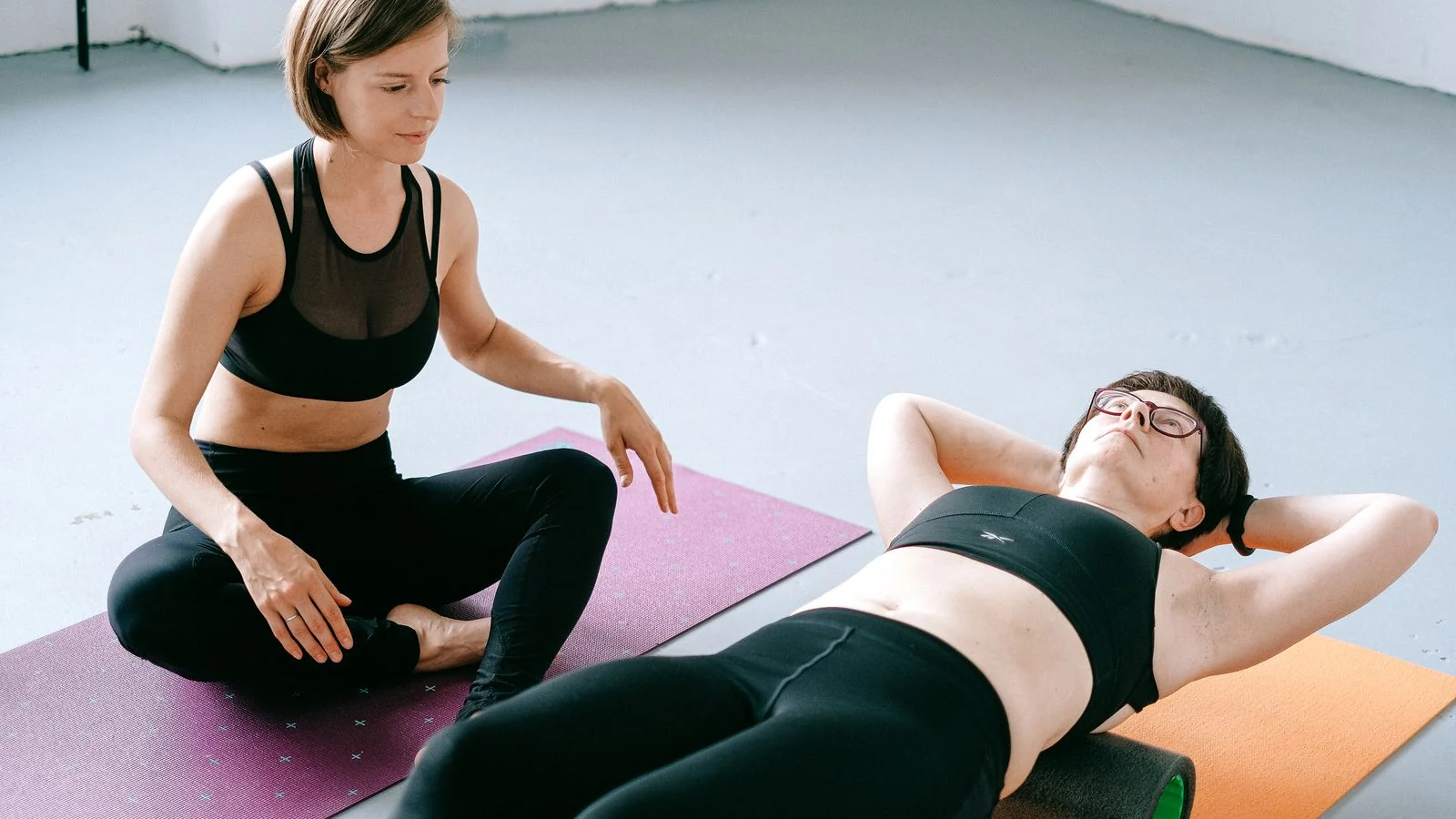
Yoga has an access problem that everybody acknowledges and few operators address in a way a reporter can photograph.
The people least represented in studio classes are often the people with the most to gain. Older adults, disabled practitioners, people in larger bodies, men in some markets, low income households, and anyone who has looked at a studio website and concluded correctly that nobody in the photographs looks like them.
Doing something real about that is a local news story in a way that a new schedule never will be. Chair based classes in a senior housing block. A trauma informed class run with a local service provider, handled with appropriate training and privacy. A pay what you can slot that actually fills. Teacher training scholarships aimed at candidates who could not otherwise afford the course, which also addresses the pipeline problem underneath the representation problem.
Pitch this with numbers and a human. How many people attended over six months, who they were, and one participant willing to speak, with consent obtained properly and revocably. Reporters need a person, and the studio that has thought about consent in advance is the studio that can supply one quickly.
Use your storefront as a local business story
You are a small physical business on a commercial street, and that is a beat.
Local business desks cover rents, foot traffic, what is opening and closing, how small operators are handling costs, and what a neighbourhood is turning into. A yoga studio is a legitimate subject in every one of those stories and almost never appears in them, because owners think of themselves as wellness rather than retail.
The angles are unglamorous and they run. What happened to your membership numbers when the office building nearby went hybrid, which for many urban studios was a structural change to their entire business. How you handled a rent review. Whether your daytime classes survived remote work or were saved by it. What a storefront costs per square foot in your neighbourhood now compared to when you signed.
Reporters covering a commercial district need operators who will talk in specifics about money. Very few do. Being one gets you quoted repeatedly, and repeated quoting is worth more than a single feature.
The boutique fitness economics story sits alongside this one and has been running for years without resolution. Studios compete against multi brand subscription apps that fill empty spots at a fraction of your drop in rate, against large chains with unlimited pricing that no independent can match, and against the plain fact that a mat costs nothing and a YouTube class costs nothing. Whether a single location studio can survive that is a legitimate business question, and an owner who can explain the unit economics, with real numbers on what a class needs to earn to break even, has an angle that business desks will take.
Say what you have changed in response. Cut class sizes and raised prices. Added teacher training as a revenue line. Moved daytime capacity to corporate or community contracts. Dropped the aggregator apps and watched what happened to attendance. Each of those is a decision with a number attached, and numbers are what turn an opinion into a quotable source.
Register as a source before you need one
The final angle is not an angle. It is the infrastructure that makes the other four work.
Reporters cover yoga reactively. A study lands about back pain. A celebrity injures themselves. A chain collapses. A teacher training scandal breaks. When that happens the reporter has hours and needs a credible local voice, and they use whoever they can reach.
Get on the list before the story. Email the health, lifestyle, and business reporters at your metro daily, your alt weekly, your city magazine, and the two biggest local broadcast newsrooms. Three sentences. Who you are, how long you have run the studio, the two or three things you can speak to with authority, and a mobile number. No attachment, no pitch, no request.
Then respond fast when something breaks. A two sentence comment sent unprompted, with no ask attached, within an hour of a relevant story appearing, is how a name moves from a list to a contact.
Decide in advance who speaks, because hesitation is what loses these. If the story is about injury, cueing, or teaching quality, your most experienced teacher answers, not you. If it is about pay, rent, closures, or the economics of the studio, the owner answers. If it is about a population you serve in a specialised way, the teacher who runs that programme answers. Write those three names down, tell each of them they may get a call, and agree what they can say without checking first. Studios lose coverage not because they lack a view but because the reporter’s deadline passed while somebody was deciding whether they were allowed to have one.
Keep a single page on your own site that a reporter can land on and use. Names, credentials, years in practice, what each person speaks to, a usable headshot, and a mobile number that someone answers. It takes an afternoon and it converts the cold search into a call.
Draft the teacher pay pitch this week. Pull your actual per class rates, write what you changed and what it cost, and send it to whoever covers labour or small business at your metro daily.