The editorial inbox is the worst place to start if you want Food52 coverage. Most founders and publicists go straight for a feature pitch, because that is how they got into Bon Appétit or Eater. Food52 was never built that way. Amanda Hesser and Merrill Stubbs launched it in 2009 around weekly recipe contests, and the site still lets any reader publish a recipe from a community profile. A pitch is one of three doors, and for many brands it is the narrowest. Anyone working out how to get featured on Food52 should start with the other two.
That matters more in 2026 than it did two years ago, because the company behind the site changed hands. If you want to know how to get featured on Food52 now, you need to understand who runs it, what they sell, and where the home cooks fit before you write a single subject line.
Food52 Sells Kitchenware, and That Shapes Every Pitch
Food52 runs a recipe site and a store under one roof. Hesser wrote in her May 2025 farewell letter that the founders planned from day one to serve people who love cooking and home with recipes, home content, and “an assortment of products handpicked by us.” The shop grew into the larger business. Food52 launched its own branded line, Five Two, which covers cookware such as the Essential saucepan and skillet, and the site header still carries a shopping cart next to the recipe search.
For a brand, this cuts two ways. A kitchenware or pantry company competes with Food52’s own products for attention, so an editor who writes a story about skillets has an in-house skillet sitting one click away. You should expect that tension and design around it. Pitch a use, a technique, or a person, and let the product ride along as a detail. A story about why carbon steel beats nonstick for a weeknight sear gives an editor something to publish. A note that says “we make a great carbon steel pan” gives them a reason to forward you to the shop team, if anyone.
The commercial side also tells you what the audience trusts. Food52 readers buy things, and they read recipes with an eye on the tools in the photo. A food founder whose product appears in a community recipe, used the way a cook would use it and photographed well, gets the kind of exposure a banner ad never buys.
One caution. The shop’s buying process after the 2026 sale has not been published, and I could not verify how new vendors get stocked today. Treat any wholesale route as a separate sales conversation, and never fold a wholesale ask into an editorial pitch.
What Happened to Food52 in 2025 and 2026?
The short version: the store outgrew the site, then the money ran out. The Chernin Group took a majority stake in 2019 for $83 million, according to Business of Home, and a 2021 round valued the company at $300 million. Food52 bought the lighting brand Schoolhouse in that period and later added Dansk.
By late 2025 the plan had failed. Food52 laid off most of its staff in December and filed for Chapter 11. At a February 5, 2026 auction, America’s Test Kitchen won Food52 with a $9.9 million bid plus assumed liabilities, while Schoolhouse and Dansk went to separate buyers. Air Mail’s September 2026 account describes a company “sold for spare parts.”
The assets landed at Culinary Media Group, a subsidiary of Marquee Brands, which announced the deal on February 23, 2026. Daniel Suratt, already CEO of America’s Test Kitchen, became CEO of Food52 too, and said the company would build on the content library and “bring back community favorites.” Marquee’s home and culinary portfolio also includes Martha Stewart, Emeril Lagasse, and Sur La Table, so Food52 now sits inside a group that owns both a test kitchen and a kitchenware retailer.
In August 2026, Food52 named Lidey Heuck editor-in-chief. Heuck spent more than six years as Ina Garten’s assistant, has published more than 100 five-star recipes at New York Times Cooking since 2019, and hosts the Netflix video podcast In the Test Kitchen. She works with Clifford Endo, SVP of content. The announcement promised new storytelling formats, multimedia, and “community-driven experiences.”
Read those signals together. A test-kitchen owner, an editor who built her name on reliable recipes, and a stated push into video. Pitches that arrive with tested recipes and a camera-ready story fit the new Food52 better than pitches that arrive with a press release.
Home Cooks Still Make Food52, So Cook Like One

The community door is open to anyone. Food52’s How to Pitch page says readers have always been able to create a profile and publish their own recipes whenever they like. Hesser put the total at more than 60,000 community recipes in her 2025 letter. That archive is the reason the site exists.
Publishing a recipe gets you onto Food52. Getting noticed on Food52 takes more. Editors test selected community recipes and mark them Test Kitchen-Approved, with a note from the tester about what they changed and why. That badge, plus a place in a roundup, is what most founders mean by “featured.”
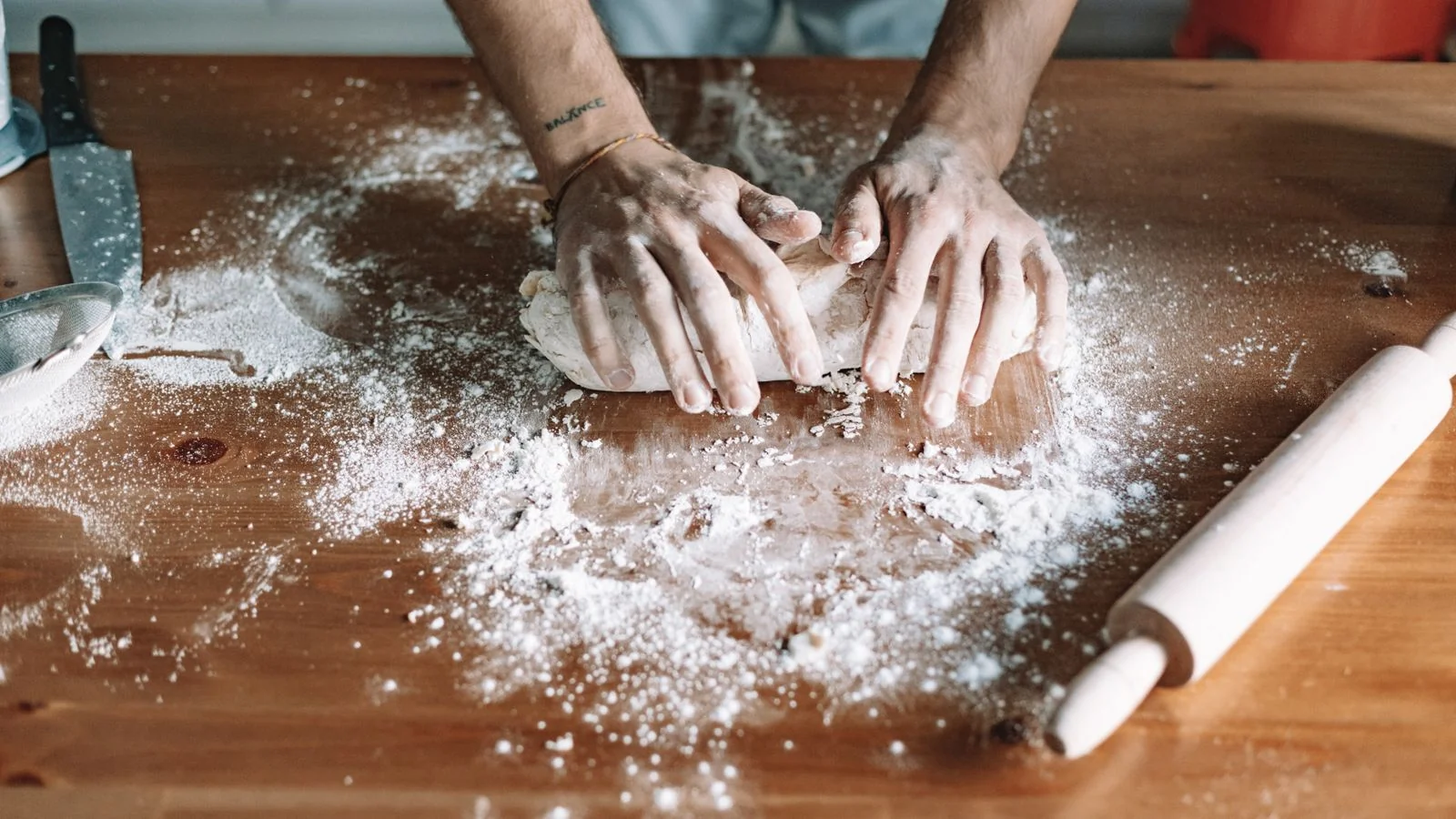
So write the recipe the way a Food52 tester wants to read it. Give a headnote with a real story (the garden glut, the grandmother, the mistake that became the method). List weights or clear volumes. Call out the one step where cooks go wrong. Photograph the dish in daylight on a plain surface, then shoot a second frame mid-process, because a hand in the bowl reads as a home kitchen and a styled hero shot reads as an ad.
Contests are the other community route. The site’s contest archive shows a long run of themed calls, from “Your Best Layer Cake” to sponsored contests such as the 2024 Tournament of Teriyaki with Kikkoman. Editors pick finalists and readers vote. I could not confirm a 2026 contest calendar under the new owners, so watch the contest tag and the newsletter rather than assuming a schedule.
If you run a food brand, the move is to recruit real cooks, not to post as the brand. A founder who cooks and posts under their own name, crediting the product only where it matters, earns more trust than a company account. The Hotline, which Food52 relaunched in November 2024 with a staff expert answering questions, works the same way. Answer questions well and people click your profile.
Use the Three-Door Map Before You Write Anything
Call this the Three-Door Map. Food52 has three entrances, and each one wants a different asset from you.
The Community Door wants a recipe. You walk through it with a profile, a tested recipe, and good photos. No permission needed. Your payoff is a Test Kitchen-Approved badge, a contest finalist slot, or a spot in a roundup.
The Contributor Door wants a story. You walk through it with a pitch to the editors, and you get paid if they say yes. Your payoff is a byline or a feature about you.
The Commerce Door wants a product. You walk through it as a vendor or partner, and it runs on a sales timeline, not an editorial one.
Score your idea on each door from zero to three. A three on Community means you have a recipe that solves a real weeknight problem and uses your product the way a cook would. A three on Contributor means you have an angle the site has not covered, a reason it runs now, and a credential that makes you the right person to write it. A three on Commerce means you have a product with margins and supply that a retailer can carry.
Start with your highest score, and never mix doors in one message. The founder who emails pitches@food52.com asking for a story and a wholesale meeting gets neither. A founder who scores a three on Community and a one on Contributor should post recipes for a season, earn a badge or two, and then pitch with proof that the community already cooks their food.
Write a Pitch Food52 Editors Can Say Yes To
If your best door is Contributor, follow the rules on Food52’s pitch page to the letter. Send pitches to pitches@food52.com with the subject line “FREELANCE PITCH on [your idea].” A pitch is one paragraph that opens with a sample headline (or a proposed title for recipes), states the goal, names the sources you will interview, and says why the piece belongs on Food52.
Aim it at a section. The page lists How to Cook for technique and substitutions, What to Cook for recipe-driven stories and reported features like regional food history, New & Now for trends and timely news, Recipes for practical dishes home cooks can make on a busy week, and Home52 for cleaning, organizing, decorating, gardening, and home tours. A kitchenware brand founder with real expertise in caring for cast iron has a How to Cook pitch. A family recipe with a migration story behind it is What to Cook.
Recipe pitches need more. The editors ask for a title, a hook, whether the recipe duplicates something on the site, whether it is evergreen or seasonal, why you are the right person, and clips. Search Food52 first. If your angle overlaps an existing story, say what is new.
Respect the calendar. Food52 asks for at least two months between pitch and publication for seasonal recipes, so a Thanksgiving pie pitch belongs in September at the latest. Follow up once after two weeks of silence. Do not send the same pitch to five outlets at once unless the story is timely, and if it is, flag that in the subject line.
Know the money too. The page lists about $200 for a short article or standard recipe, up to $50 in ingredient costs, and $500 or more for bigger projects. That tells you the scale of piece they want: tight, useful, and tested, not a 4,000-word essay.
If you want help finding the right editors across food media beyond Food52, our free journalist list at Instant Press is a decent place to start.
Genius Recipes Shows What Food52 Rewards
The clearest proof of how Food52 picks winners is Genius Recipes, the column Kristen Miglore ran for more than a decade. Each installment found one recipe from a chef, a cookbook author, or a home cook, then explained the single move that made it work. The column earned a James Beard Award nomination, according to Miglore’s Bon Appétit contributor bio, and became three IACP Award-winning cookbooks.
Food52 still runs on that archive. In September 2026, under the new owners, editors updated “70 Genius Recipes for Fall” with more entries. The list includes pastry chef Nicole Rucker’s kabocha and bittersweet chocolate cake and a 15-minute vegan tomato soup that J. Kenji López-Alt developed at Serious Eats. What earns a spot on that list is one clever, explainable idea, credited to the cook who had it, and Food52’s editors did the work of finding it.
That is the standard to hit when you work out how to get featured on Food52. Build the recipe with the genius move, publish it where cooks can test it, and give the editors something to explain.