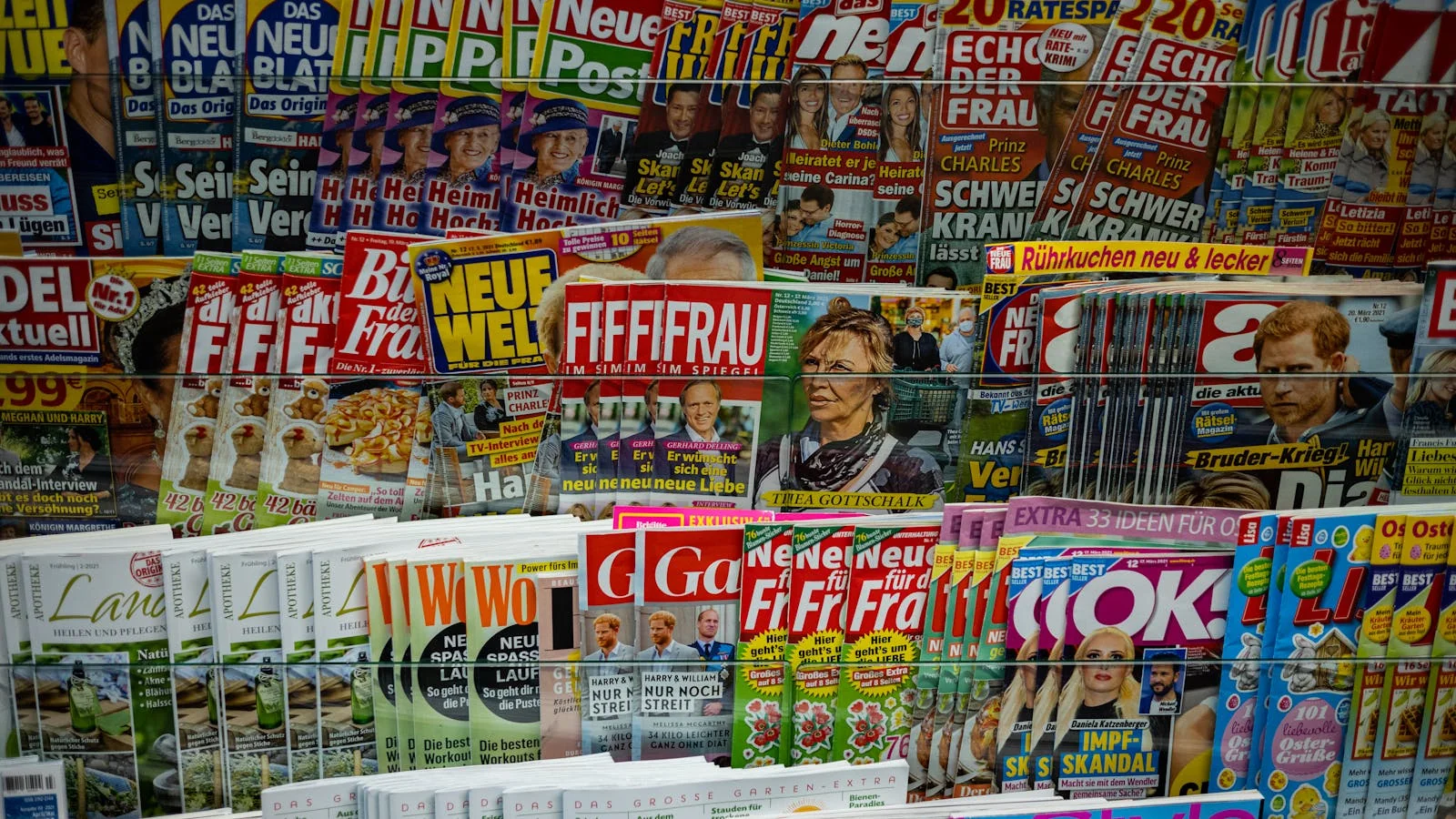
The first regional magazine placement I ever helped a client land taught me everything I now believe about this whole category. The client wanted Sunset Magazine, the West Coast lifestyle title, and on the first attempt we did what most people do: pitched the editor-in-chief a story about the client’s company. Silence. The pitch was about us. Sunset does not run stories about your company. So we read three back issues, found the section that actually fit, a regional design-and-living feature, identified the editor who ran it, and pitched a story about a place and a trend that happened to include the client as the expert voice. That one ran. The lesson has held for every regional title since: you do not get featured by being interesting to yourself, you get featured by solving an editor’s specific problem for a specific section.
Regional magazines are the most underrated tier in media. National outlets get thousands of pitches and feel impossible. Regional titles, the city magazines, the state lifestyle books, the regional business journals, get a fraction of that volume, need a steady supply of local stories, and have editors you can actually reach. A feature in one is a real clip with a real audience, and it is the rung that makes a national pitch credible later. Here are the seven things their editors want before they say yes.
Tip one: read the magazine before you pitch it
This sounds obvious and almost nobody does it. Editors can tell within one line whether you have read their publication, because a pitch that fits their sections, their tone, and their audience could only come from someone who has. Read at least two or three recent issues. Notice the sections, the kinds of people they profile, the length of features, the regional angle that runs through everything. Then pitch something that could only run there. The fastest way to the delete folder is a generic pitch that could have gone to any title in the country.

Tip two: pitch the section, not the magazine
Magazines are built from sections, and each section has an editor and a need. The front-of-book short items, the profiles, the regional trend pieces, the back-page essays: these are different products with different requirements. Match your story to one specific section and name it in your pitch. “I have a story for your [section name]” tells the editor you understand how their book works and saves them the effort of figuring out where you would even fit. A pitch with no home in their structure gets no home in their pages.
Tip three: lead with the local angle
Regional magazines exist to serve a place. Every story has to earn its spot by connecting to the region, and your pitch has to make that connection in the first sentence. If you are an expert, what does your expertise mean for this city or this state. If you have a story, why does it matter here. The local hook is not decoration on a regional pitch, it is the entire reason the story belongs to them and not to a national title. Make it the first thing the editor reads, not something they have to dig for.
Tip four: find and name the right editor
Send your pitch to a person, by name, who actually runs the section you are targeting. Mastheads list section editors. Recent bylines tell you who edits what. Many regional titles publish submission guidelines that name the right contact. A pitch addressed to a specific editor about their specific beat reads as professional and lands in the right inbox. A pitch to a general “editor” address or to the editor-in-chief about a section feature reads as a blast and gets treated like one.
Tip five: keep the pitch short and the story clear
Regional editors are often running lean, sometimes editing multiple sections at once, and they read pitches between deadlines. Respect that. Three short paragraphs: the story and its angle, why it fits their audience and section, and who you are and why you can deliver it. No attachments on the first email, no long backstory, no company history. The clearer and shorter the pitch, the faster an editor can say yes, and speed of decision is your friend. A pitch they can evaluate in 30 seconds is a pitch they will evaluate.
Tip six: bring something they cannot get elsewhere
Editors say yes faster when you offer access, expertise, or a story they could not assemble on their own. Local data nobody else has, access to a person or place that is hard to reach, a genuinely informed take on a regional trend, strong images you can provide. The more you hand the editor something that reduces their work and raises their story’s quality, the more attractive your pitch becomes. You are not asking for a favor, you are offering to make their issue better. Frame it that way and pitch like a contributor, not a supplicant.
Tip seven: follow up once, on time, then move on
Send your pitch, then wait the right interval before a single follow-up: about a week for digital, about two weeks for a print monthly. One polite nudge that adds a line of new value, a fresh angle or a timely peg, is welcome and normal. After that, stop. A second or third follow-up does not persuade a busy editor, it irritates one, and it can close a door you might want later. If the follow-up gets no response, take the same pitch to another regional title. There are dozens of them, each with sections to fill, and the right home for your story is often just the next one on the list.
Regional magazines reward the person who treats the editor as a professional with a job to do rather than a gatekeeper to charm. Read the book, pitch the section, lead with the local hook, name the editor, keep it short, bring real value, and follow up once. Do that and a regional feature is not a long shot. It is a repeatable result, and it is the clip that makes the next, bigger placement believable.