
You have a strong product, a signed health system customer and a press release your team rewrote six times. You send it to a Healthcare IT News reporter on Tuesday morning. By Friday you have heard nothing, and a competitor with a smaller customer base is quoted in a story about the same problem you solve.
That gap is almost never about the product. It is about how the pitch was built. Healthcare IT News, published by HIMSS Media, writes for the people who buy and run technology inside hospitals and health systems: CIOs, CMIOs, CISOs, informatics leaders and the teams under them. Its reporters are not looking for vendors with good news. They are looking for evidence that something changed for a provider, and for people who can explain why it matters to other providers.
If you want to know how to get featured in Healthcare IT News, start there, with the reader rather than the reporter. Below are seven rules we apply to every health IT pitch, and a pitch outline you can copy.
Rule 1: Know the reader before you pitch the reporter

The reader of Healthcare IT News is not a patient and not an investor. It is someone who has to defend a technology decision to a board, a medical staff and a compliance team. That reader cares about whether a tool works inside a real clinical workflow, whether it connects to the EHR they already run, what it costs to support and what could go wrong.
Every pitch should answer the question that reader would ask first. What did this do for a provider like me? If your pitch opens with your funding round, your founder’s story or the size of the market, you are writing for the wrong audience. Save those details for TechCrunch or a healthcare investor newsletter.
We call this the CIO Test. Before you send, read your first two sentences as a health system CIO with a full inbox. If they would not keep reading, rewrite them.
Rule 2: Lead with a named provider and a measured result
Health IT reporters see claims of “improved outcomes” and “reduced burden” every day. Claims without a provider name and a number behind them are easy to ignore.
The strongest pitches name a health system that agreed to be quoted, describe what it deployed and report a result it measured. Fewer clicks per patient encounter, shorter time to close a chart, lower denial rates, faster detection of a security event, hours of clinician time returned each week. Specific and modest beats vague and enormous. A reporter would rather write about a 14% reduction in documentation time at one named hospital than a 50% reduction at “a leading health system.”
Show your working, too. Say how the result was measured, over what period and against what baseline. “Average time to sign a note fell from 11 minutes to 9 across 140 clinicians over 90 days, measured from EHR audit logs” is a sentence a reporter can trust and an editor can approve. “Clinicians saved hours” is a sentence that invites a skeptical follow-up you may not be able to answer. If the data came from the customer rather than from you, say so, because reporters weigh provider-reported numbers more heavily than vendor-reported ones.
If your customer will not go on record, your story is not ready for this outlet yet. Spend the time getting a reference customer comfortable with being quoted. That single change does more for your coverage odds than any rewrite of the pitch.
Rule 3: Pitch the trend, then show your proof
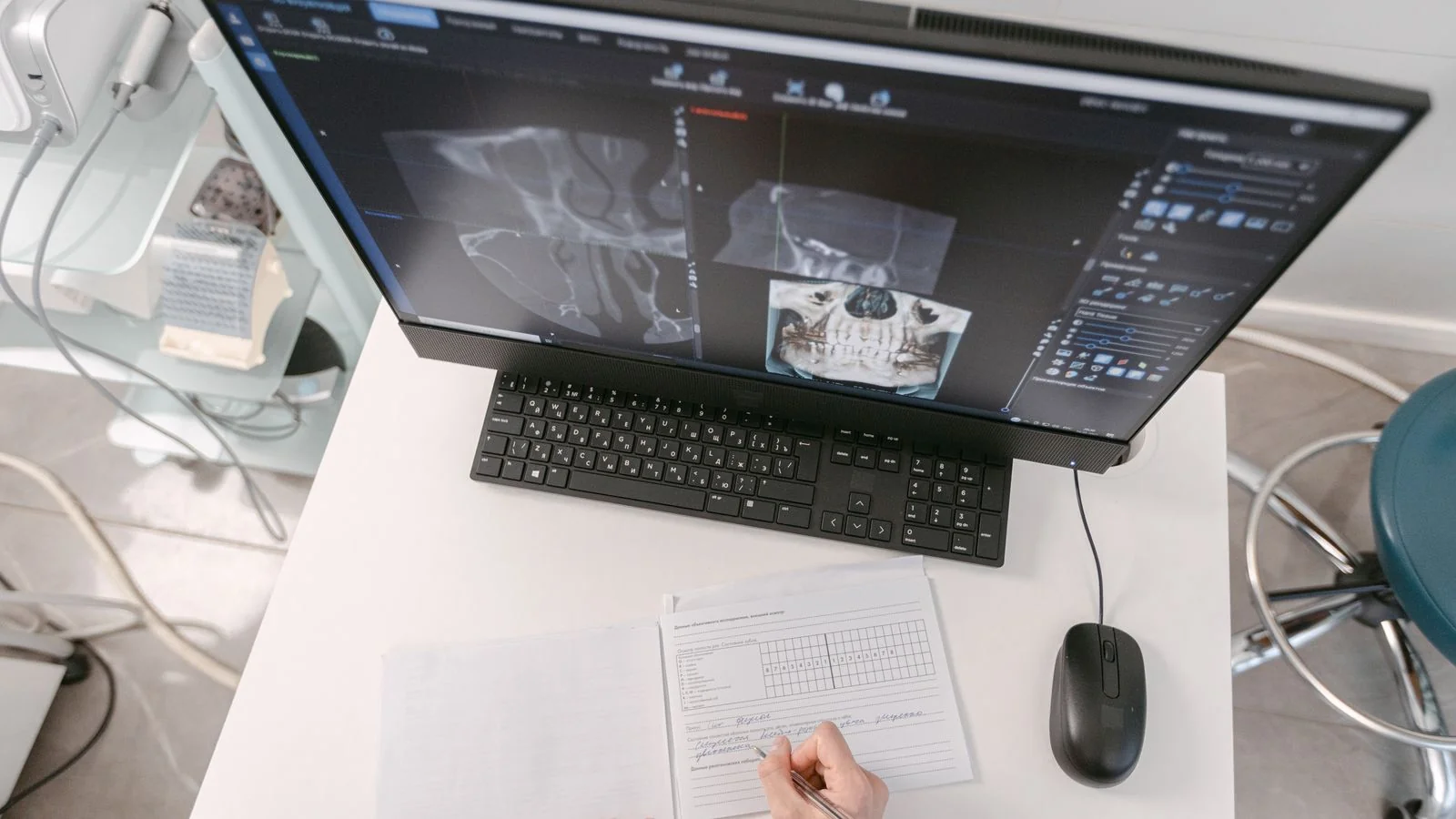
Healthcare IT News follows a set of themes year after year: AI in clinical and administrative work, cybersecurity and ransomware, interoperability and data exchange, EHR optimization, the digital front door, workforce strain and the economics of IT investment. Its reporters build stories around those themes and look for sources to fill them.
Your best opening is to connect your news to one of those themes in a way that adds something. If health systems are wrestling with how to govern AI documentation tools, a pitch about how one named system set up its governance committee, with a CMIO willing to talk, is a story. A pitch that says your AI scribe is now available is an announcement.
Read the outlet’s recent coverage before you write. Note which themes have come up in the last month and which reporters wrote about them. Then pitch the reporter who covers your theme, not the general news inbox.
Rule 4: Offer a clinician or IT leader, not just your CEO
Your CEO is a fine source, but a health system leader is a better one. Reporters at provider-focused trade outlets want the buyer’s voice in the story. A CMIO, a nurse informaticist or a CISO from a customer organization carries weight that no vendor executive can.
Build that offer into the pitch. Name the person, give their title and say they are available for a 20-minute call this week. If you can also offer your own clinical or security expert with a clear point of view, mention them second. Vendors who bring the customer to the interview tend to get the story. Vendors who ask the reporter to take their word for it tend not to.
Rule 5: Respect the calendar
Health IT has a heavy event calendar. The HIMSS Global Health Conference and Exhibition is the biggest moment of the year for this outlet, and the weeks around it are crowded with vendor news. If you pitch “big news at HIMSS” in the same week as hundreds of other vendors, you are competing for the least reporter attention of the year.
There are two better approaches. Pitch well ahead of the conference, with a story the reporter can plan around and an offer to meet on site. Or hold your news for a quieter window and give the reporter something to write about when the inbox is lighter. Avoid sending news on Friday afternoons and in the last two weeks of December, when coverage slows across trade press.
Think about where else your story fits, too. HIMSS Media also publishes MobiHealthNews, which leans toward digital health companies and consumer-facing tools, and Healthcare Finance News, which covers the money side of provider operations. A story that is too consumer-focused for Healthcare IT News may be right for one of its sister titles, and a reporter will appreciate that you thought about the fit before you hit send.
Embargoes help when used honestly. If you offer one, say so in the subject line, give a clear date and time and keep to it.
Rule 6: Write a pitch, not a press release
A press release is a document for the record. A pitch is a short email to a person. Treat them differently.
Keep the pitch between 120 and 200 words. Use a subject line that states the story in plain terms, with the provider name if you can. “Named health system cuts prior auth turnaround by 40% with X” tells a reporter more than “Exciting news from Company Y.” In the body, put the outcome and the provider in the first sentence, the theme it connects to in the second and the offer of an interview in the third. Attach nothing. Link to the release or a short data sheet if you have one.
Here is a structure that works.
Subject: [Health system] cut [metric] by [X%] after [deployment]

Hi [Name],

[Health system] reduced [metric] by [X%] in [timeframe] after
deploying [what], according to data the system shared with us.

Given your recent coverage of [theme], I thought this might be
useful: [CMIO/CIO name and title] can explain what they changed
in the workflow and what they would do differently.

They are available [days] for a 20-minute call. Release and
data summary here: [link]. Happy to send more detail.

[Your name, title, phone]
One more point on format: write for skimming. Reporters often read pitches on a phone between meetings. Short paragraphs, a number in the first line and no attachments make your email easy to act on from anywhere.
Rule 7: Follow up once, then add value
Reporters miss pitches because they are busy, not because they hate you. One polite follow-up after three or four working days is reasonable. Make it shorter than the first email and add something new: a second data point, a confirmed time for the interview, or a line on why the story is timely this week.
After that, stop. If the story does not land, file the relationship for later. Send the reporter your expert’s view the next time a related story breaks, without asking for coverage of your product. Over a year, that is how a vendor becomes a source the reporter calls first, and it is the most reliable answer we know to the question of how to get featured in Healthcare IT News more than once.
After the story runs
Getting the story is half the work. What you do in the week after it runs decides how much value it creates.
Thank the reporter with a short note, and do not ask for corrections unless something is factually wrong. If a figure or a name is incorrect, point it out once, politely, with the right information. Never ask for changes to framing or tone.
Share the story with the customer who made it possible, and with their communications team, who may want to post it. Health system leaders who see their work covered well are more likely to agree to the next interview, and that goodwill is worth more than the article itself.
Put the story to work in sales. Health IT buyers move slowly and check references carefully. A trade press article that names a peer health system and reports a measured result answers questions a sales deck cannot. Add it to your proposal templates, your website’s customer stories page and your follow-up emails after demos.
Last, note what worked. Which subject line got the open, which data point the reporter used and which quote made the final cut. Keep a short log. The next time you plan a pitch, that log will tell you more about how to get featured in Healthcare IT News than any general guide, including this one.
The companies that keep showing up in Healthcare IT News are not the ones with the loudest launches. They are the ones whose customers will talk, whose data is specific and whose experts make a reporter’s job easier. Build those three things and the coverage follows.