
A conference organizer once told me she screens speaker submissions at the rate of about one every fifteen seconds on the first pass. Not minutes. Seconds. She is looking at a stack of one-sheets and PDFs, and she is sorting them into “maybe” and “no” faster than most people can read a paragraph. That number reframes the entire purpose of a speaking one-sheet. It is not a brochure that explains you to someone who is studying it. It is a fifteen-second decision aid that has to do one job: get you out of the “no” pile on the first glance. Everything about how you build it should serve that job.
Most speaker one-sheets fail because they are designed by the speaker, for the speaker. They lead with a long bio, list every topic the person could conceivably talk about, and bury the one thing the organizer needs, which is a clear, confident answer to “will this person be good for my specific audience.” The fix is structural. I build every one-sheet from the same six blocks, in the same priority order, so the fifteen-second scan hits the deciding information first. Call it the 6-block one-sheet.
Why the one-sheet exists, and what it is not
A speaking one-sheet is a single page (front side first, an optional back side second) that an event organizer uses to decide whether to book you or shortlist you. That is its only function. It is not your full bio, not your résumé, not a creative writing exercise. The organizer has a slot to fill and an audience to serve, and they are matching speakers to that need under time pressure. Your one-sheet wins by making the match obvious and the decision easy.
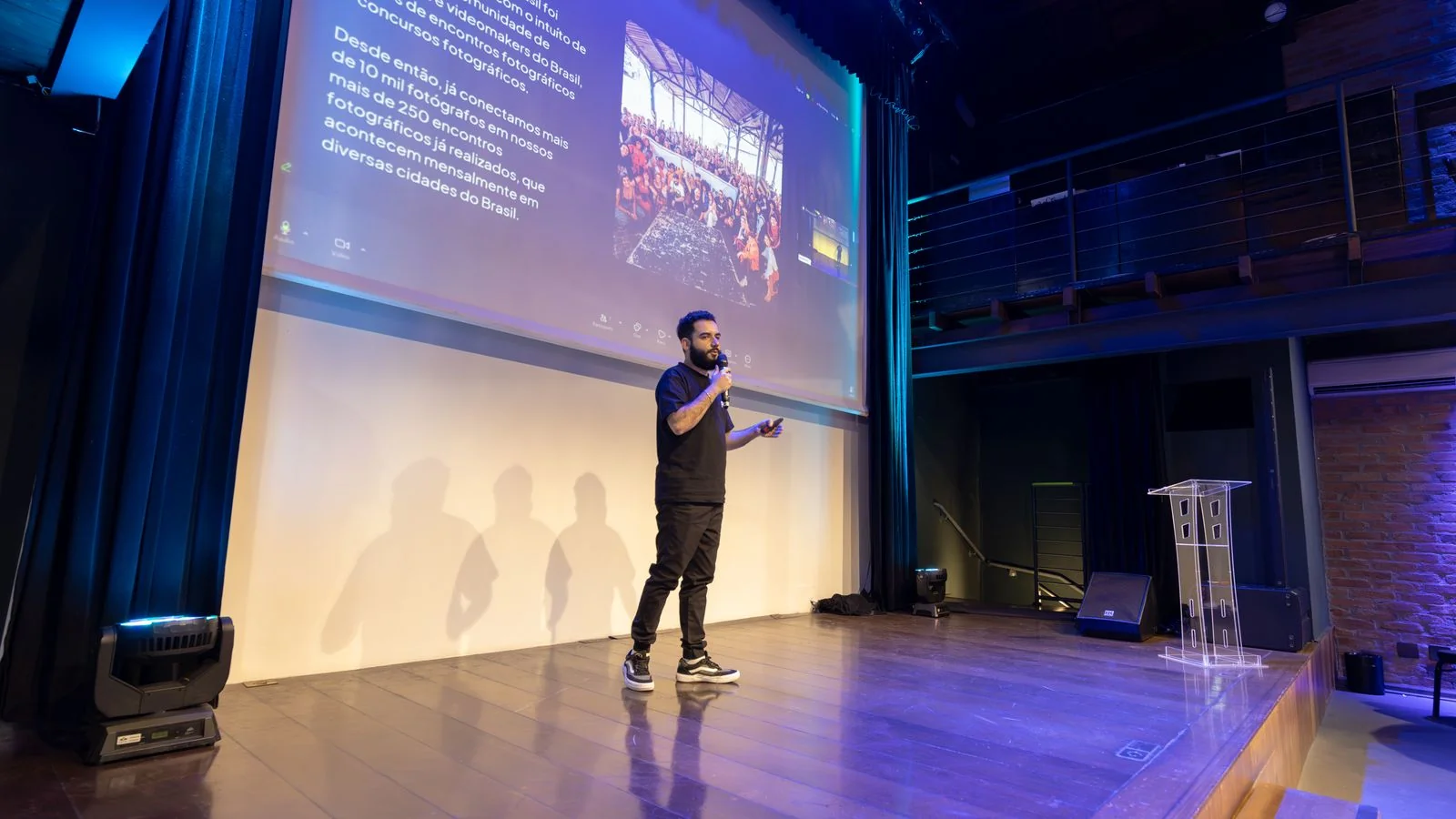
This is why the document has to be visual and scannable, not dense. Organizers form an impression from the layout before they read a word. A clean, professional, confident-looking page says “this person has done this before and will not embarrass me on stage.” A cramped wall of text says the opposite, regardless of how good the content is. Design is not decoration here. It is part of the message.
The six blocks, in priority order
The first block is your headline and a professional photo. The headline is not your name, it is your positioning: who you are and what you help audiences do, in one line. The photo should be a real, high-quality shot of you presenting or looking the part, because organizers picture you on their stage. These two elements carry the fifteen-second scan, so they sit at the top and they get the most visual weight.
The second block is your speaking topics, framed as titles with a one-line promise each. Not a list of subjects you know, but two to four signature talks with names and outcomes: what the audience walks away with. Specific, benefit-led talk titles let an organizer instantly see whether you fit their program. A vague topic list forces them to do the matching work themselves, and under time pressure they will not.
The third block is proof. This is where you list the stages you have spoken on, the audiences you have addressed, recognizable logos, audience sizes, and any media or credentials that establish authority. Proof is what moves you from plausible to credible. If you have spoken at named events, show them. If you have relevant numbers, audience counts, ratings, results, show those. Proof reduces the organizer’s risk, and reducing their risk is most of the sale.
The remaining blocks, and the design that holds them
The fourth block is a short, sharp bio, three or four sentences, written in the third person, that establishes why you specifically can deliver these talks. Not your life story. The slice of your background that makes you the right voice for these topics. The fifth block is social proof in human form: one or two short testimonial quotes from organizers or attendees, with names and events attached. A peer organizer vouching for you is worth more than anything you say about yourself, so give it real estate.

The sixth block is contact and the call to action: how to book you, your name, email, phone, website, and a clear line that invites the next step. Make it effortless to reach you, because a one-sheet that wins the fifteen-second decision and then hides the contact details has wasted the win. Put the contact block where the eye lands at the end of the scan, usually the bottom, and make it unmistakable.
Front side versus back side: what goes where
A one-sheet is one page, but it has two sides, and organizers use them differently. The front is the fifteen-second decision: headline, photo, signature talks, top-line proof, and contact. Everything that gets you out of the “no” pile lives there, because many organizers never turn the page on the first pass. The back side is for the shortlist moment, when an organizer has already flagged you as a maybe and wants more before they reach out. That is where the longer testimonials go, the expanded talk descriptions with audience takeaways, a fuller list of past stages, and any video or media links.
The mistake is treating both sides as equally important and splitting your strongest material across them. Front-load everything that decides. Use the back to confirm a decision the front already earned, not to hide the things that should have won the booking in the first place. If a piece of proof is strong enough to change a mind, it belongs on the front, full stop.
The four mistakes that put one-sheets in the no pile
Four errors show up again and again, and each one is fatal in the fifteen-second window. The first is leading with a long biography instead of positioning; the organizer does not yet care about your life, they care whether you fit their stage. The second is listing every topic you could speak on, which signals a generalist and forces the organizer to do the matching work they do not have time for. The third is weak or missing proof, a page that asserts you are great without a single named stage, number, or testimonial to back it. The fourth is poor design, a cramped or amateur layout that contradicts the confidence the words are trying to project.
Each of these has the same root cause: the one-sheet was built to describe the speaker rather than to make the organizer’s decision easy. Fix that orientation and the four mistakes correct themselves. Every element earns its place by answering the only question the organizer is actually asking, which is whether you will be good for their specific audience. Build the page to answer that, in the order they scan, and you stop competing on charm and start competing on fit, which is the competition you can win.
Hold all six blocks inside a design that breathes. Plenty of white space, a clear visual hierarchy that matches the priority order above, your brand colors used with restraint, and type large enough to read at a glance. The point of the structure is that the deciding information, headline, photo, topics, and proof, hits the organizer in the first seconds, before they have consciously decided to read. Build the page so that the fifteen-second scan lands on exactly the things that get you booked, and let everything else support that single job.