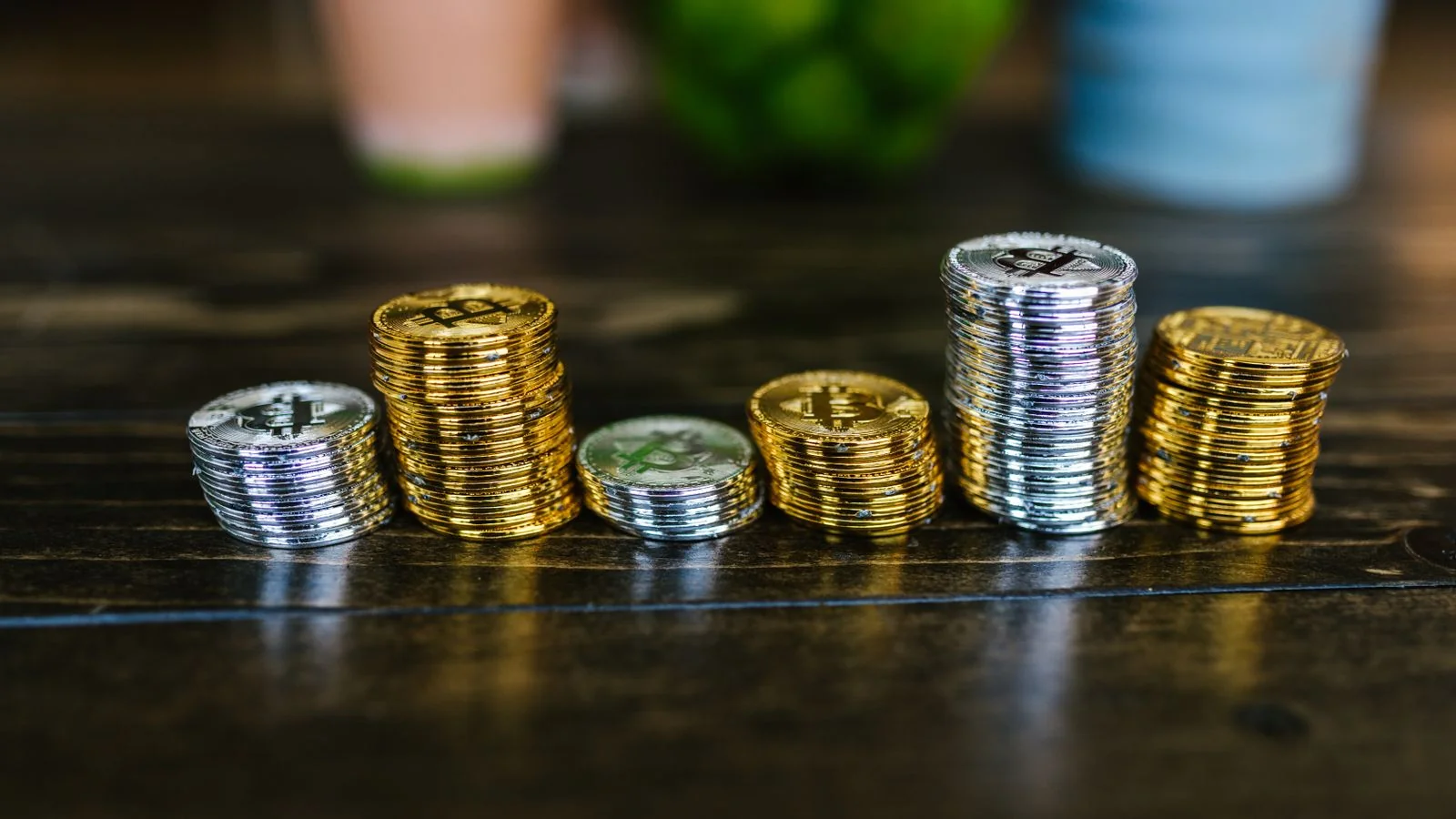
Joey Sendz co-founded Junior Punks, a collection of 5,555 generative NFTs on Ethereum, during the 2021 boom. That market taught a lesson every crypto founder eventually learns: buyers check whether a project is real before they check whether it is good. Copycat collections, cloned token tickers and anonymous teams that vanished overnight trained an entire market to search a project’s name first and decide second.
What they find on Google matters. A project that returns a clean knowledge panel, with a logo, a short description, a founding date, official links and named people, looks established. A project that returns a scattered mix of Telegram links, scam warnings for a similarly named token, and a Medium post from two years ago looks like a risk, whatever the quality of the code.
This guide walks through how to get a Google knowledge panel for crypto projects, in eight steps. It is built on a principle we call the Verifiable Team Rule: Google trusts entities whose facts can be checked against sources the project does not control, and in crypto, the hardest fact to verify, and the most valuable, is who is behind the project.
Step 1: Separate the entities

Crypto projects usually involve several entities that get blurred together: the protocol, the token, the company or foundation that develops it, and the founders. Google sees each as a separate thing. Before you do anything else, decide which one the panel is for and how the others relate to it.
For most projects, the right starting point is the organization: the labs company or foundation that builds and maintains the protocol. It has a legal name, a jurisdiction, a founding date and people, which are the facts the Knowledge Graph needs. The token can be described as a product of that organization. Founders can follow with their own panels later.
Write down the exact name for each entity and use it everywhere. “Nimbus Protocol,” “Nimbus Labs,” “NIMBUS” and “$NMB” may all mean the same project to your community, but to a search system they are four candidates. Decide which name refers to what, and never mix them.
Map the relationships on one page before you publish anything. Which organization issues the token? Which people founded the organization? Is there a separate foundation that holds the treasury or runs governance? Which chain or chains does the token live on? Writing this down sounds bureaucratic, but it prevents a common failure: a project whose website, LinkedIn page and token listings each describe a slightly different organization, so Google cannot be sure any of them is the real one. Getting a Google knowledge panel for crypto projects starts with that one-page map.
Step 2: Publish the facts on your own site
Your website is the anchor. Many crypto sites lead with a token price widget, a roadmap graphic and a “Launch App” button, with no plain statement of who runs the project. That is a problem for both buyers and search engines.
Add an About page that states, in text, the legal name of the organization, where it is registered, the year it was founded, the names and roles of the core team, the official token contract address on each chain, and links to every official channel. Add a short, factual description of what the protocol does in one or two sentences, without price talk or promises. This is the description you want Google to reuse.
If the team is pseudonymous for legitimate reasons, name at least the legal entity and one accountable representative. The Verifiable Team Rule does not require every contributor to go public, but it does require someone.
Step 3: Add structured data and official links
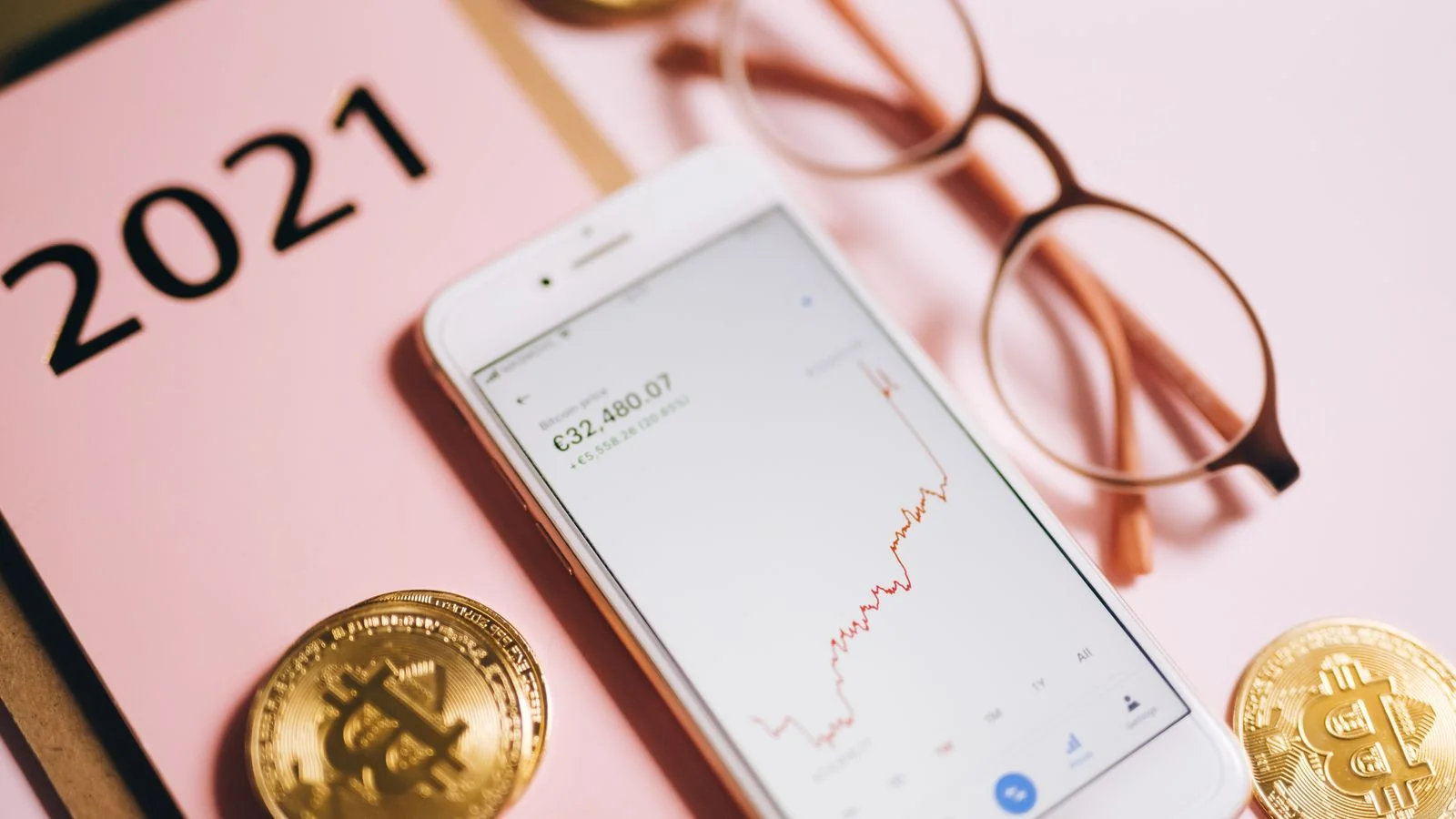
Add Organization markup from schema.org to your homepage or About page. Include the official name, URL, logo, founding date, founders, and a sameAs list that links to every official profile: X, GitHub, LinkedIn, Discord or Telegram, your CoinMarketCap and CoinGecko pages, and your Wikidata entry once it exists.
The sameAs list is how you tell Google that the project on your site, the token on CoinGecko and the organization on LinkedIn are one entity. Without it, Google has to guess, and in a market full of similar names it may guess wrong.
Validate the markup with Google’s Rich Results Test or the Schema Markup Validator before you move on. Broken or mismatched markup is worse than none.
Step 4: Clean up the crypto-native listings
Crypto has its own set of corroborating sources, and Google treats several of them as strong signals because they are widely cited. Make sure each one is complete and matches your site exactly.
Verify your token contract on the relevant block explorer, such as Etherscan, and complete the token information profile with your official website, logo and social links. Apply for or update listings on CoinMarketCap and CoinGecko, which show the contract address, official links and supply data. Keep your GitHub organization active, named consistently, and linked from your site. If you publish documentation or a whitepaper, host it on your own domain and link it from every listing.
Then search for impostors. Copycat tokens using your name or ticker are common, and their listings can confuse both buyers and search systems. Report them to the listing sites and publish a clear notice on your site with the official contract address. A short page titled “Official contract addresses” is one of the most useful pages a crypto project can have.
Step 5: Create a Wikidata entry
Wikidata is a free, structured database maintained by the Wikimedia community and one of the sources Google’s Knowledge Graph draws on. It has a lower bar than Wikipedia, but it is strict about references and about promotional content.
Create an item for the organization with its official name, instance of (company or foundation, as appropriate), country, inception date, official website and founders, each backed by a reference to an independent source where possible. If the token or protocol has clear independent coverage, it can get its own item linked to the organization.
Keep it factual. No price claims, no “leading” or “first,” no roadmap promises. Wikidata editors remove unsupported or promotional statements quickly, and an entry that keeps getting edited down sends a weaker signal than a short, solid one.
Step 6: Earn coverage that names the team
This is the step where most crypto projects stall, and the one that matters most. The Knowledge Graph wants independent sources that describe your organization, and in crypto the most credible ones are established industry publications and mainstream business outlets.
Crypto-focused outlets such as CoinDesk, The Block, Decrypt and Cointelegraph cover funding rounds, protocol launches, security incidents, governance decisions and research. Mainstream business press covers the larger stories. Pitch real news: a funding round with named investors, a mainnet launch with usage numbers, an audit by a recognized security firm, a partnership with a known company, or original research on the market.
Every piece of coverage should use the organization’s exact name, name at least one team member, and ideally link to the official site. That combination, repeated across independent outlets, is the strongest single signal you can send. It is also the part of the process Instant Press placement programs are built for, since many crypto outlets have strict editorial standards and specific sponsored-content rules that are easy to get wrong.
Be careful with paid placements. Many crypto sites run sponsored posts and press release sections, and those are labeled as such. They can help with visibility, but they carry less weight as independent sources than editorial coverage.
Founders can help here more than any marketing budget. A named founder who speaks at industry conferences, appears on respected crypto podcasts, publishes research under their own name, and answers reporter questions on the record creates a trail of independent mentions that ties a real person to the project. That trail is exactly what the Verifiable Team Rule asks for. It also makes the founder eligible for a personal panel later, which in turn strengthens the organization’s.
Security disclosures deserve a note. If your project has had an exploit or incident, coverage of it will exist and may rank for your name. Do not try to bury it. Publish a clear post-mortem on your own site, link to it from your About page, and make sure follow-up coverage of the fix and any reimbursement reaches the same outlets. Projects that handle incidents openly often end up with stronger panels than projects that never had one, because the public record shows a team that stayed and fixed the problem.
Step 7: Claim the panel
When a panel appears, claim it. Google shows an option to claim a panel at the bottom of it, and verification runs through an account tied to official presences Google recognizes, such as the Google account that manages your Search Console property or your official YouTube channel.
Once verified, you can suggest edits to the description, images and social profiles. Google checks each suggestion against its sources, so suggestions that match your About page, Wikidata entry and coverage are the ones that get accepted.
Step 8: Protect it through every market cycle
Crypto projects change faster than almost any other kind of organization. Token migrations, rebrands, chain moves, team changes and governance shifts all create chances for your sources to drift apart. Each time something changes, update your site first, then your structured data, then block explorer and listing profiles, then Wikidata.
Search your project name in a private browser window every month. Check the panel, the first page of results, and the results for your ticker. Watch for new copycats and for outdated facts creeping back in. Keep a simple change log with the date of every update you make to an official source, so that when an old fact resurfaces you can trace which listing or profile still carries it.
Assign one person, by name, to own this. In many crypto teams, the website belongs to one contributor, the listings to another, and social accounts to a community manager, and nobody owns the full picture. The panel suffers when ownership is split. One named owner with a quarterly review keeps every source telling the same story.
A Google knowledge panel for crypto projects is not a status symbol. It is a trust signal in a market where trust is scarce, and the projects that keep theirs accurate through a bear market are the ones that look most credible when the next cycle brings new buyers searching their name for the first time.