The best online reputation management software is the one that covers all three places your reputation actually lives, not just the one you already watch. That is the short answer, and most buyers get it wrong by fixating on reviews while ignoring search results and, now, AI answers. Below are seven platforms compared against the jobs that matter, plus a model for thinking about reputation that keeps you from overpaying for a tool that guards one door and leaves two open.
The three-front reputation model
Your reputation is fought on three fronts at once, and reputation management software is worth its price only if it defends the ones you are exposed on. Front one is search: what shows up when someone Googles your name. Front two is reviews: your star ratings and the words behind them on Google, Yelp, industry sites, and app stores. Front three, new and growing fast, is AI answers: what ChatGPT and Perplexity say when a buyer asks about you directly. Most software was built for front two, is decent at front one, and is only starting to touch front three.
Hold the three fronts up against any tool you are considering and its real coverage becomes obvious. A platform that generates reviews beautifully but never looks at page one of Google leaves you exposed on the front where a single bad news article or old lawsuit can sit unchallenged. When you buy reputation management software, you are buying coverage on specific fronts, so know which ones you are weak on before you read a single feature list.
The reason the three-front model matters is that the fronts fail differently and on different timelines. Reviews move daily and loudly. Search results move slowly but stick for years. AI answers move unpredictably and reach buyers before they ever visit your site. A tool that guards only the loud, fast front leaves the slow and the new ones open, and those are often where the expensive damage happens quietly. The most dangerous reputation problem is not the angry one-star review you can see. It is the outdated fact an AI engine repeats to every prospect, or the stale article that ranks for your name, neither of which you are watching.
Front two first: review management platforms
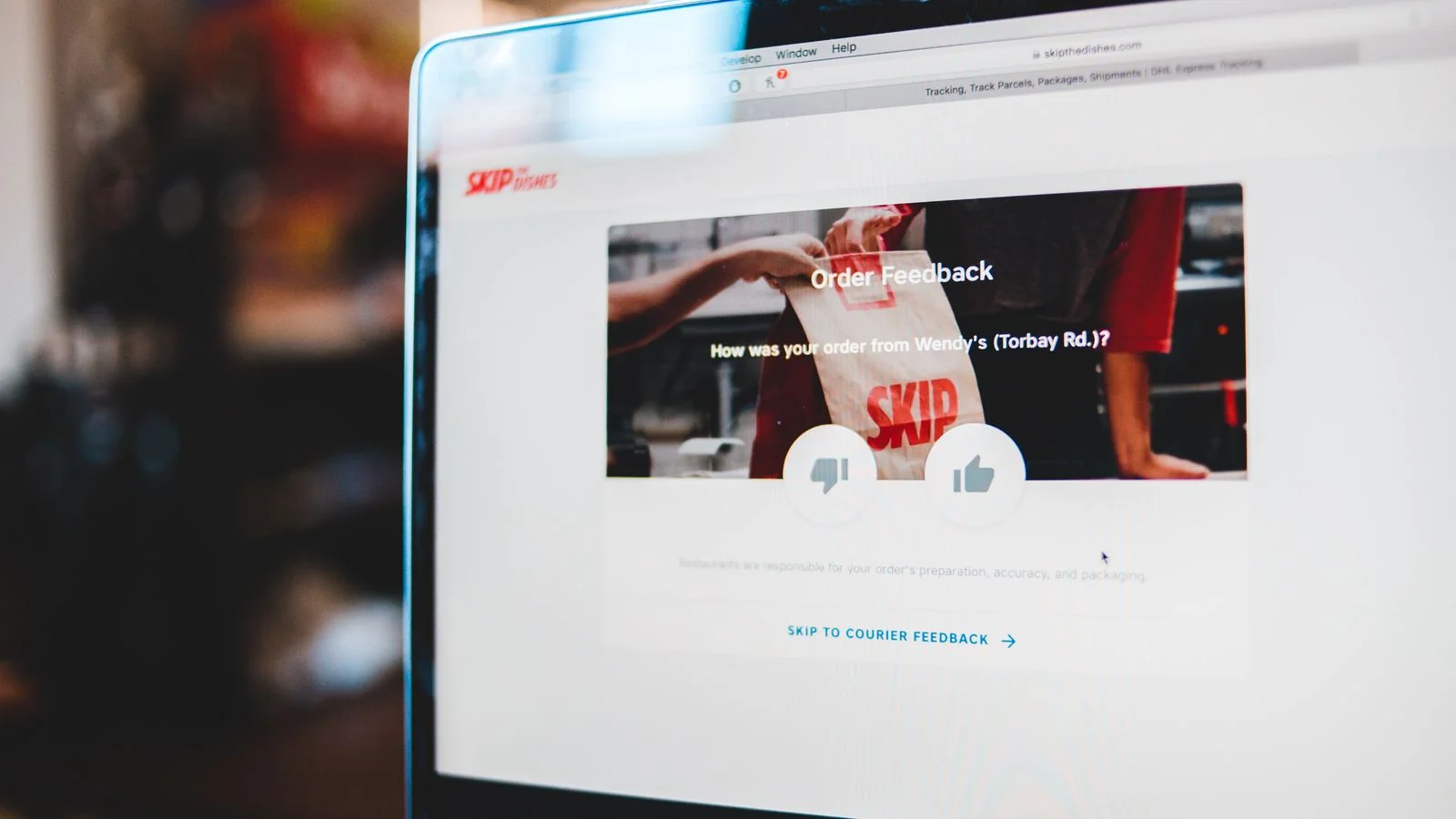
Reviews are where most businesses feel the pain first, so this is where most reputation management software concentrates. Birdeye and Podium are the heavyweight all-in-one platforms, strong at collecting reviews through automated requests, funneling happy customers to public sites, and managing responses across many locations. They are built for multi-location operators and priced accordingly. For smaller businesses, Grade.us and similar tools do the core review-generation job at a gentler price, automating the ask that most owners forget to make.
The mechanism that makes these tools work is simple and underused: they turn review generation from a thing you remember to do into a thing that happens automatically after every transaction. Most businesses have far more satisfied customers than unhappy ones, and they lose the ratings war only because the unhappy ones write reviews unprompted while the happy ones need a nudge. Reputation management software sends the nudge at scale, which over a few months tilts your average rating toward the truth. That alone justifies the spend for many local businesses.
The number that decides whether this front is worth funding is your review velocity, how many new reviews you earn per month. A business earning two reviews a month is one bad week from a visible slump in its average, because a single angry review carries real weight against a thin base. A business earning twenty a month absorbs the occasional one-star without flinching, and its average tells the true story. Reputation management software raises velocity by asking every customer automatically, which is the cheapest insurance you can buy against a single bad review defining you.
Front one: search result monitoring
Reviews are loud, but search results are where a reputation quietly dies. This front is about what appears on page one when someone searches your name or your company, and it is where a single negative article, an old complaint, or a competitor’s hit piece can undo years of goodwill. Reputation management software that covers front one monitors your branded search results and alerts you when something new and negative surfaces, so you learn about it from a dashboard rather than from a customer who backed out.

Suppression is the work here, and it is slow but real. You cannot delete a negative result you do not control, but you can build and strengthen positive assets, your own site, profiles, and earned coverage, so they outrank the negative one and push it off the first page where almost nobody looks past. Tools like Semrush and Brand24 help you track branded search and mentions, and dedicated reputation platforms fold this into their monitoring. The reputation management software worth buying treats search as an ongoing front to hold, not a one-time cleanup.
The honest part vendors gloss over is how long suppression takes. Pushing a negative result off page one can take months of consistent work, building authoritative positive pages, earning coverage that ranks, and keeping your profiles active, because Google will not demote a result just because you dislike it. This is exactly why prevention beats cure on the search front. A business that builds a wall of strong, positive, well-ranked assets while things are calm has somewhere to stand when a problem appears. A business that starts building only after the bad result ranks is fighting uphill against Google’s own inertia.
Front three: AI answer monitoring
The newest front is the one almost no legacy tool was built for, and it is growing fastest. Buyers now ask ChatGPT and Perplexity about companies before they ever reach a website, and whatever the model says becomes part of your reputation whether you monitor it or not. If an AI engine describes you using an outdated fact, a competitor’s framing, or a two-year-old controversy, that is a reputation problem playing out in a channel most reputation management software still ignores.
A few platforms are starting to add AI answer tracking, and dedicated AEO trackers like Profound and Peec cover it directly, monitoring how the major engines describe your brand across a set of questions. The smart move today is to pair traditional reputation management software with one AI tracker, because the fronts are converging and the tool that covers all three does not fully exist yet. Watch this space, because within a year or two AI answer monitoring will be a checkbox every reputation platform claims, and the honest question will be how well it works.
What makes this front distinct is that you cannot reply to it the way you reply to a review. There is no comment box under a ChatGPT answer. The only way to change what the model says is to change the sources it reads, which means correcting your entity data, publishing accurate content, and earning mentions in the places the model trusts. That is slow, indirect work, and it is why the AI front rewards the businesses that keep clean, consistent, well-documented information about themselves across the web. The model repeats the internet’s consensus about you. Reputation management on this front is really the work of shaping that consensus.
The promises that should make you walk away
Because reputation is emotional, this category attracts vendors who sell fear and promise miracles, and knowing the red flags saves you money and heartbreak. Any company that guarantees it can remove a negative review or a true news article is either lying or planning something that violates a platform’s terms, and both end badly for you. Legitimate reputation management software does not delete the truth. It helps you respond, generate genuine positive coverage, and strengthen the assets that outrank the bad ones. If a sales pitch leans on guaranteed removal, close the tab.
Be equally wary of anyone promising to flood review sites with fake five-star reviews. Beyond the obvious ethics, the review platforms and search engines have gotten sharp at detecting review fraud, and a business caught doing it can be penalized in exactly the rankings it was trying to buy. The durable play is boring and legitimate: ask every real customer, respond to everyone, and fix the problems the reviews reveal. Reputation management software that supports that honest work is worth paying for. Software that promises a shortcut around it is a liability wearing a subscription. The best tool in the world cannot sell a shortcut that does not exist, and the vendors who pretend otherwise are the ones to avoid first.
The same skepticism applies to contracts. Legitimate reputation management software is usually sold month to month or on a clear annual plan you can evaluate and leave. Be careful with vendors who lock you into long terms while promising vague “results,” because the ones who cannot show you what they actually do each month are often the ones counting on you not to look. Ask any vendor to walk you through exactly which fronts they monitor, how they generate positive coverage, and what a monthly report contains. A confident, specific answer is a good sign. A pivot back to fear and guarantees is your cue to keep shopping.
Prevention is cheaper than repair
The cheapest reputation management is the kind you do before you need it. Every founder who has paid to suppress a bad search result or dig out from a wave of one-star reviews will tell you the same thing: they wish they had built the positive assets earlier, while things were calm. A business with a strong owned site, a steady flow of genuine reviews, accurate listings, and clean entity data has a deep reserve of goodwill to draw on when a problem hits, and problems hit everyone eventually. The business starting from nothing when the crisis arrives is fighting from behind against Google’s inertia and a skeptical audience at the same time. Reputation management software is at its best as a maintenance habit, not an emergency service, because the routine work of asking for reviews, monitoring your name, and keeping your information current is exactly what builds the reserve. Spend a little steadily now and you may never need to spend a lot in a panic later. That is the whole case for treating reputation as infrastructure rather than as something you deal with once it is already on fire.
What I would buy by business size
A single-location local business should buy one review-management platform, add free branded-search monitoring, and run manual AI checks by hand for now, because that combination covers all three fronts at a sane cost. A multi-location operator needs a heavyweight platform like Birdeye or Podium for the review and location complexity, plus dedicated search monitoring, plus a serious look at AI tracking as its buyers move to answer engines. A personal brand or executive, where reputation is a name rather than a storefront, should weight front one and front three heavily, because for a person the Google result and the AI answer are the reputation.
The mistake that unites bad reputation software purchases is buying for the front that already looks fine. The owner with great reviews buys more review software and stays blind to the ugly search result. Match the tool to your exposed front, cover all three over time, and remember that the best online reputation management software cannot manufacture a good reputation you have not earned. It can find the threats early, amplify the good you already do, and make sure the true story is the one that ranks. Search your own name in Google and in ChatGPT this week, and the front you need to defend first will be obvious.