Joseph Pilates promised that ten sessions would let you feel a difference, twenty would let you see it, and thirty would give you a new body. He wrote that in the nineteen forties, and eighty years later it is still the most quoted sentence in the discipline.
It is also, for your website, almost useless. Nobody asks an assistant to find them a new body.
Here is what they ask instead, and I want you to notice the shape of it. I had a C section eleven weeks ago and want to start rebuilding my core safely. My physio said Pilates for my lower back but I do not know what kind. I have a herniated disc, is reformer safe. My knee replacement is six months out and I need something low impact.
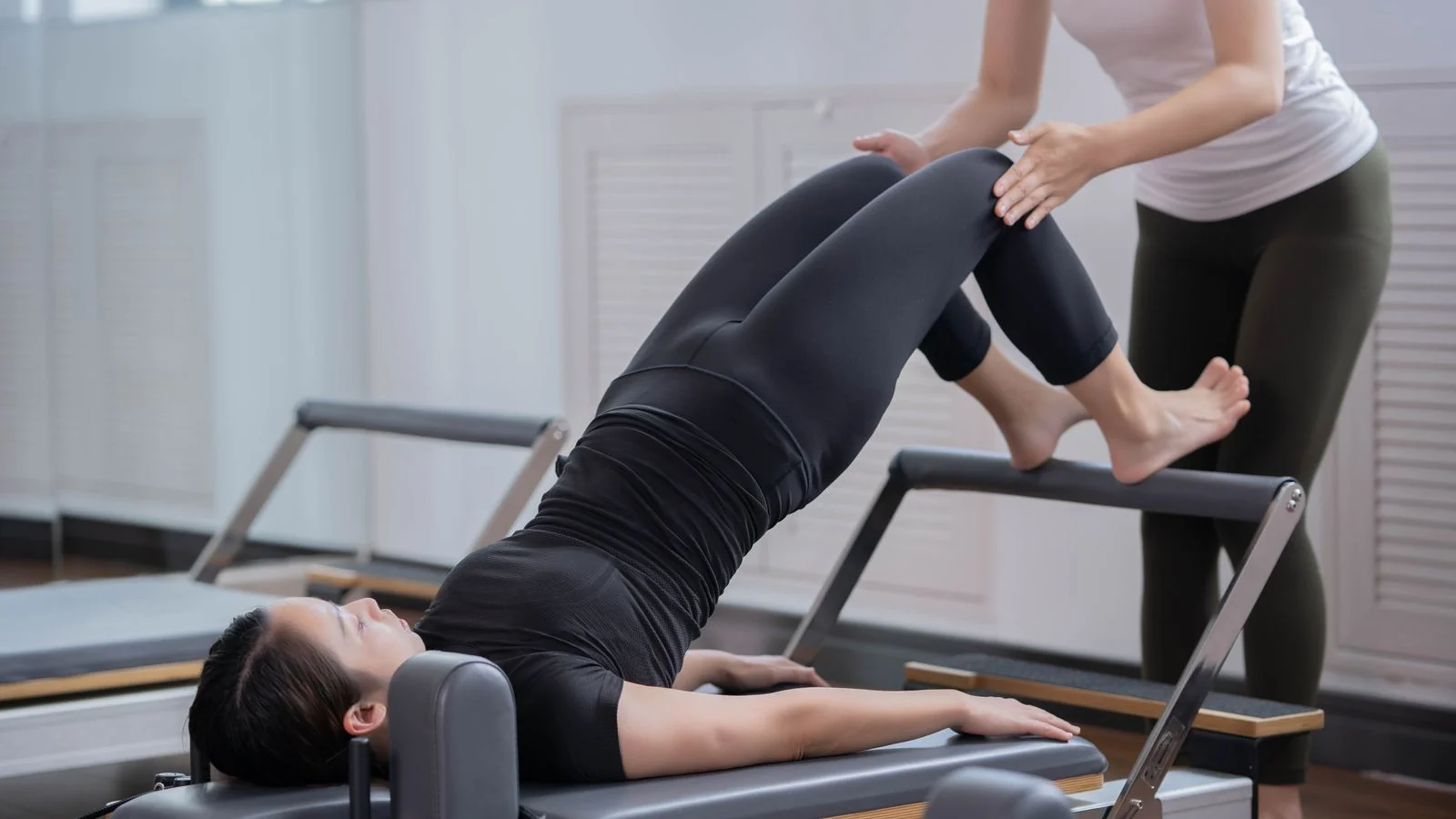
Almost every Pilates query enters through a problem. Call it the Injury Doorway, because it is the door nearly all of your customers walk through and almost no studio website has anything written on the other side of it.
AEO for pilates studios is mostly the work of answering those questions in text. Five signals carry it.
Signal one: write a real page for each condition you actually work with
This is the highest return page type in the entire category and the rarest.
Your instructors already know this material. They can tell you how they modify for sacroiliac pain, what they do differently for someone six weeks post partum with diastasis, what the first four sessions look like for a client with a lumbar fusion, and which presentations they will not take without clearance. Then the website says “strengthen your core and improve your posture.”
Write a page for each of the five or six conditions that most commonly walk through your door. Pull your intake forms and count rather than guessing, because most studios discover the real distribution is narrower and stranger than they assumed.
Each page does the same four jobs. Describe how the presentation usually looks in a studio setting. Say what you do about it, in specific terms, naming apparatus and exercises where it helps. Say roughly what a sensible starting cadence looks like and what the first month tends to involve. And say when you would decline or refer, which is the paragraph that makes the rest of the page credible.
Stay on the right side of the claim line. You are describing movement education and what clients experience, not treating a diagnosis. Say plainly that you work alongside a physical therapist rather than in place of one, and that you want clearance before starting post surgical work. That sentence protects you and converts better than a promise would.
Signal two: name your apparatus and your class formats precisely
Pilates has a vocabulary problem that costs studios visibility every day.
“Pilates” covers a mat class of thirty people in a gym and a one to one session on a Cadillac with a comprehensively trained instructor. Those are different products at different prices for different people, and a prospect asking an assistant which one she needs cannot get an answer if your site calls both of them Pilates.
Name the apparatus. Reformer, tower, Cadillac or trapeze table, wunda chair, ladder barrel, spine corrector, mat. Say how many of each you have, because a studio with eight reformers and a studio with two are different propositions for someone trying to book a Tuesday evening.
Name the formats with numbers attached. Private. Duet. Small group equipment class and its cap. Mat class and its cap. Whether the group equipment class is taught to the room or genuinely individualised. What each costs, because price is a fact assistants retrieve and the studios that hide it get skipped in comparison answers.
Then separate classical from contemporary and say which you teach, or both, and what that means in practice. People who care about that distinction care a great deal, and the term never appears on most studio sites.
The comparison question deserves its own page, because it is one of the highest volume things people ask and almost no studio answers it. Reformer versus mat. Pilates versus yoga. Pilates versus physical therapy. Group equipment versus private. Each of those is a real decision a prospect is stuck on, and each has an honest answer that happens to demonstrate expertise. Write them as plain comparisons, say when the other option is genuinely the better choice, and watch how much more often you get named in an assistant’s answer. Declining to claim superiority on every axis is precisely what makes a source look trustworthy to a system built to weigh sources.
There is a practical trap in this section worth flagging. Many studios publish their schedule and pricing only inside an embedded booking widget that loads from a third party domain. When that happens there is a real chance the words never enter the index an assistant draws on, so the studio believes its class formats and prices are published when functionally they are not. Keep a plain HTML version of the same facts on your own site and update it when things change.
Signal three: publish instructor training in detail
Assistants attach expertise to named people with verifiable credentials, and this is where Pilates has a genuine advantage it fails to use.
Pilates instructor training varies enormously, from a weekend apparatus workshop to a comprehensive programme running several hundred hours with observation, practice, and personal sessions logged. A studio staffed by comprehensively trained instructors has something real to say, and almost none of them say it in a way a machine can read.
Give each instructor a page. Full name. Which programme they trained through and its hours. Whether that training was comprehensive or apparatus specific. Certification status, including whether they hold a credential from a recognised national certification body, which exists in this field and which most studios never mention. Continuing education, particularly anything in pre and post natal, post surgical, scoliosis, osteoporosis, or working with older adults. Years teaching and what they specialise in.
Then add the sentence that converts, which is what kind of client they are best with. A prospect with a specific problem is looking for a specific person, and the studio that names that person wins the booking.

Keep these pages on your own domain rather than relying on a booking platform profile. Platform bios are constrained to template fields, they look identical across every studio on the same system, and you do not control whether that content stays accessible. Your own instructor pages are the only place the full credential picture can live in a form you can update and a machine can read.
Signal four: answer the practical questions that decide the booking
Pilates carries a surprising amount of unresolved friction for a first timer, and unresolved friction kills conversions quietly.
What do I wear, and are grip socks required, and do you sell them. Do I need to be fit already. Will I be the only beginner. What if I have never used a reformer and do not understand the springs. How long is a session. Do I need a private before joining a group class, which many studios require and few state clearly. What is your cancellation window. Do memberships roll over. Is there parking.
Every one of those is typed into a search bar or spoken to an assistant somewhere in your city this week. Put them on a page as plain readable text, phrased the way people actually ask, not compressed into a booking system FAQ that no crawler ever sees.
The private session requirement deserves its own clear statement, because it is a genuine barrier and studios bury it. If a new client must book an assessment before joining group equipment classes, say so on the pricing page, say what it costs, say what happens in it, and say why. Ambiguity there sends people to the studio that explained itself.
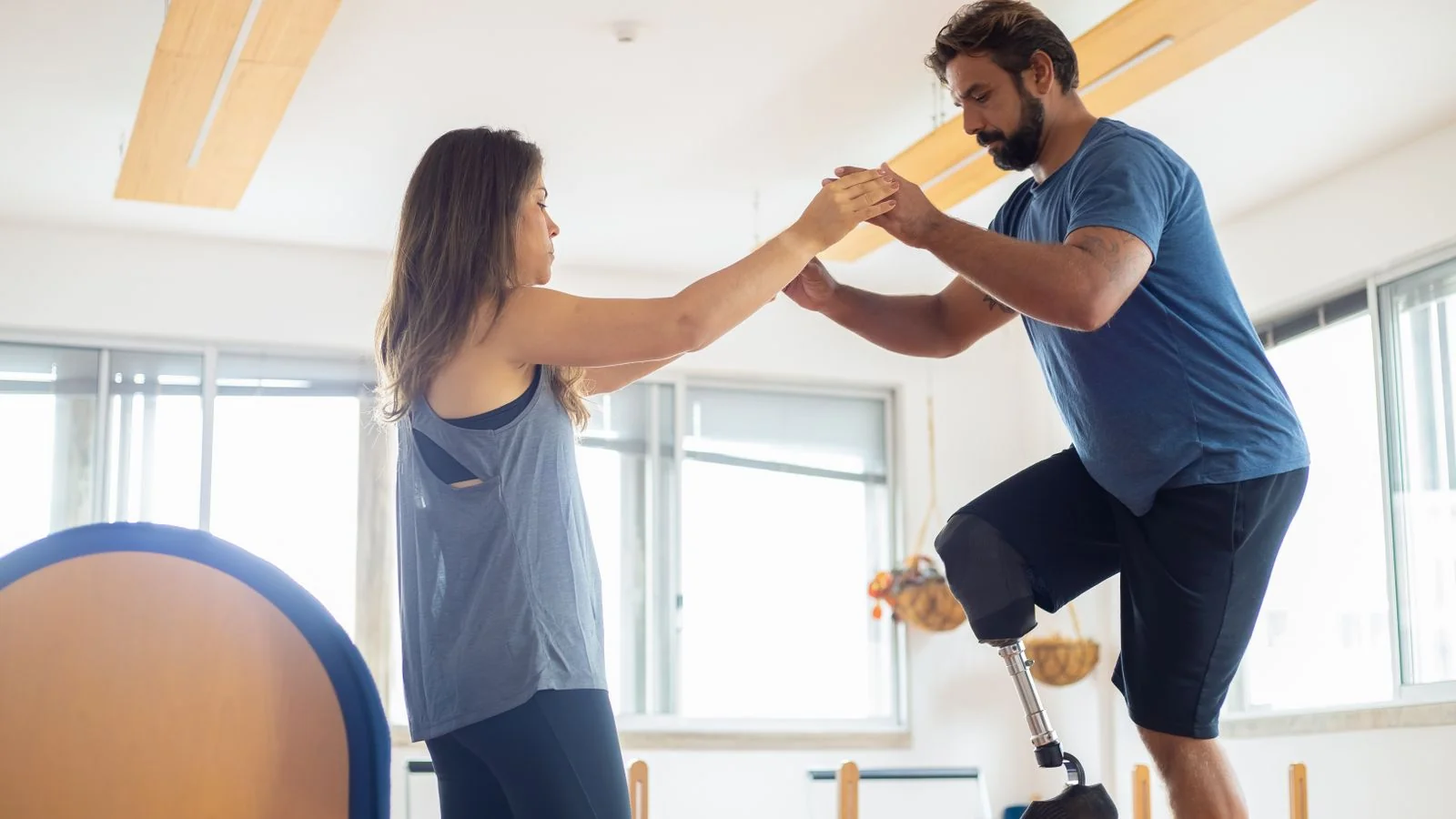
Access details belong here too and are among the most retrievable facts you can publish. Whether there are stairs and how many. Whether a lift exists. Whether the studio is on one level. Whether you have equipment suited to a larger body or a limited range of motion. Whether someone can be helped on and off the reformer. Whether parking is close, which matters enormously to a client who cannot walk far. For a prospect with a mobility limitation these details decide whether you are even possible, and their absence reads as a no.
Signal five: get the local layer right, then test what assistants say
None of the above works if the underlying local data is a mess, and for most studios it is.
Your business profile, hours, address format, phone number, and category need to agree everywhere they appear, including on the aggregator sites that scraped your details years ago and never updated. Assistants encountering contradictory information tend to route around it. Fix the holiday hours, claim the profiles you have not claimed, and check it twice a year.
Then run the test that almost nobody runs. Once a month, ask the major assistants the questions your prospects ask. Where can someone with a herniated disc do Pilates near you. Which studio near you has post natal classes. Best reformer studio in your city for beginners. Who teaches Pilates for osteoporosis locally.
Write down which studios get named and which sources the assistant cites. When a competitor appears and you do not, open the cited page and find the fact it contains that you have not published. It is almost always something plain and specific rather than something clever.
Keep the record in a simple file with the date, the question, the studios named, and the sources cited. Three months of that is worth more than any dashboard, because it shows you which of your pages are actually being read and quoted, and it catches the moment a competitor publishes something that displaces you. Most studios skip this because it feels unscientific. It is the only direct measurement available in a channel where the traffic often never reaches your site at all, since the assistant answers the question and the prospect simply calls you.
Consider what credentialing bodies in this field have built. The national certification programme in the United States maintains a public directory of certified instructors, with names, locations, and credential status, kept current. That directory is exactly the kind of structured, authoritative, machine readable source assistants lean on when someone asks for a qualified instructor nearby. If your instructors hold that credential and are not listed correctly, you are invisible in the one place the question is most likely to be answered.