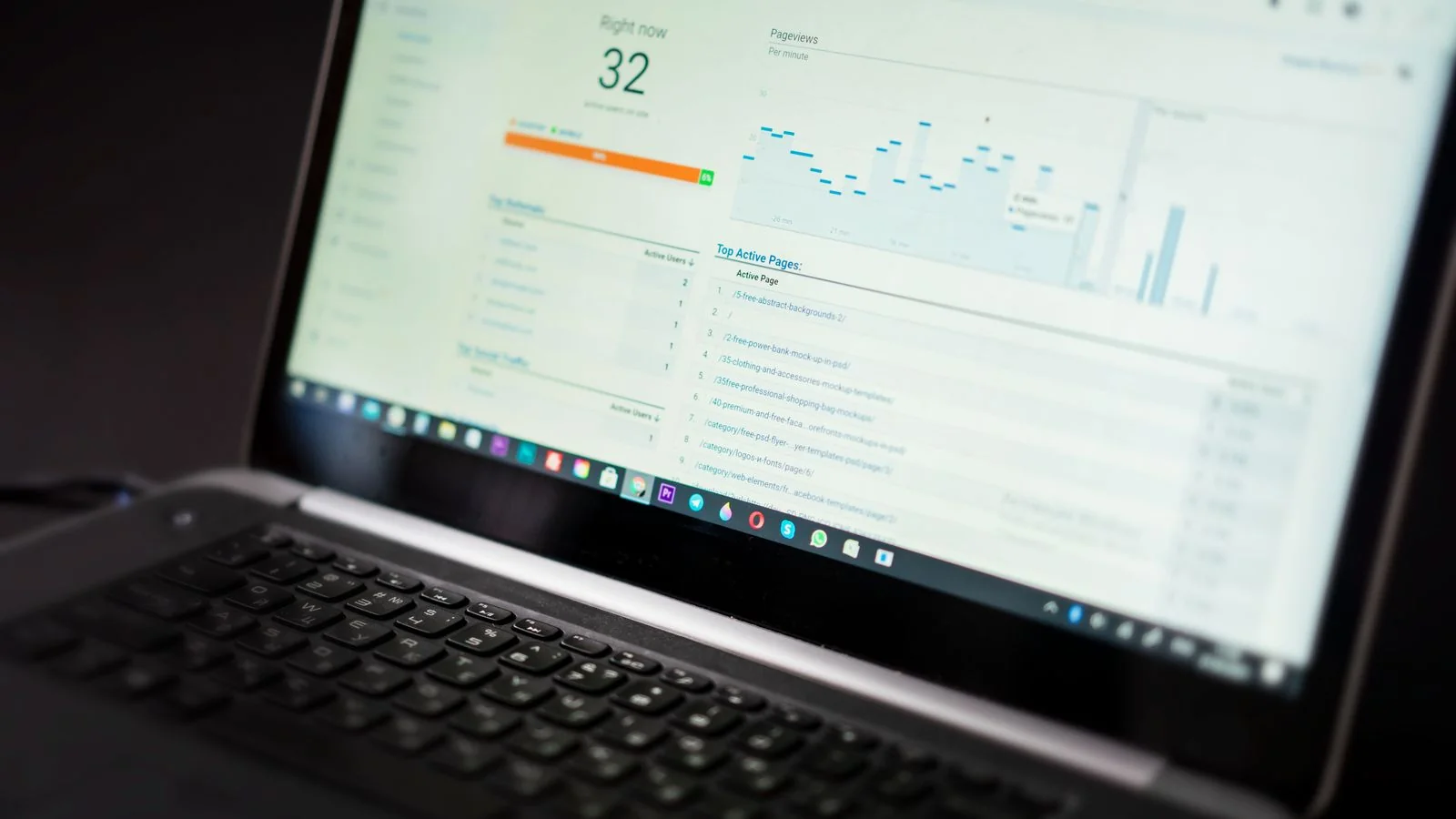
Buying a reputation monitoring tool because it tracks the most sources is the most common mistake I see, and it is backwards. Coverage is the metric vendors lead with because it is easy to print on a comparison table. The metric that actually decides whether a tool saves you is speed: how quickly it tells you something is wrong while you can still do something about it. A tool that scans 40 networks and tells you on Friday about a review that posted Monday has already failed at the only job that matters.
I learned this the expensive way. A client in the home services trade, a regional operator doing a little under four million a year, had a one-star review with a fabricated safety claim sit live for nine days before anyone noticed. Their monitoring tool had caught it on day one and filed it in a weekly digest nobody opened. By the time we responded, that review had been read by an estimated several hundred prospects, and the phones had gone quiet. We measured a 19 percent dip in inbound calls that month against their trailing average. The review was false. The tool worked. The timing killed them.
So this comparison ranks seven reputation monitoring tools the way the job actually demands: speed first, coverage second, price third. I have used or tested all seven against live brand situations, not demo accounts.
How I tested these reputation monitoring tools
Every tool here was pointed at the same three brands for 30 days: a local service business with heavy review exposure, a venture-backed software company with news and social exposure, and a personal brand with a name that collides with a more famous one. I logged three things for each mention the tools should have caught. First, did it catch the mention at all. Second, how long between the content going live and the alert landing in my inbox. Third, how much noise came with it, because a tool that alerts on everything trains you to ignore it.

That last point gets ignored in most reviews of reputation monitoring tools and it should not. Alert fatigue is real. The home services client had their tool set to notify on every mention, which meant a flood of irrelevant directory scrapes and syndicated listings drowning the one alert that mattered. A good tool is judged as much by what it stays quiet about as by what it flags.
The signal-decay window: the framework that should drive your choice
Here is the model I use with every client, and it is the lens for this whole comparison. Call it the signal-decay window. Every piece of reputation content has a window during which your response still changes the outcome, and after which the damage is set. A negative review has a window of roughly 24 to 72 hours before it has been seen by most of the people who will see it that week. A negative news article on a high-traffic outlet has a window measured in hours, because search and social pick it up fast. A defamatory autocomplete or AI answer has the longest window of all, sometimes weeks, because it accretes slowly.
The point of a monitoring tool is to put your alert inside that window. Match the tool’s real alert speed against the decay window of the content type that threatens you most. A reviews-heavy local business needs sub-24-hour review alerts above everything. A software company in a competitive market needs near-real-time news and social. A personal brand defending a search result needs slower but broader coverage that includes AI answers. The tool that wins for one of these loses for another, which is exactly why “most sources” is the wrong way to choose.
Tier one: built for speed on reviews and local
Two tools stood out for the local service case. The first was a review-centric platform priced around 50 dollars a month per location that delivered review alerts within an average of two hours of posting across Google, Yelp, and Facebook. Its news and social coverage was thin, and it knew nothing about AI answers, but for a business whose reputation lives and dies on star ratings, it hit the decay window every time. The second, slightly pricier at roughly 90 dollars a month, added review response templates and a request-for-review flow, which matters because the fastest way to bury one bad review is a steady current of genuine good ones.
Neither of these is the tool for a software company or a public figure. They are precision instruments for a specific threat. If reviews are your exposure, stop reading comparison tables that weight social coverage heavily and buy for review alert speed.
Tier two: news and social breadth for brands in the press
The venture-backed software brand needed something different. Here the better performers were the broader media monitoring platforms, the ones that index news, blogs, forums, and the major social networks. The strongest of them caught a critical Hacker News thread within 40 minutes and a TechCrunch comment-section pile-on inside an hour. That speed on high-traffic outlets is worth real money, because the news decay window is brutal.

The catch is price and noise. These platforms run from a few hundred to well over a thousand dollars a month, and out of the box they generate enormous volume. You will spend your first week tuning Boolean queries and muting sources, and if you skip that work the tool becomes wallpaper. Budget the setup time, not just the subscription. The brands that get value from media monitoring tools are the ones that treat configuration as an ongoing job, not a one-time wizard.
Tier three: the AI answer monitors, young and uneven
This is the newest and most interesting category, and the one I tested most skeptically. Several tools now claim to monitor what ChatGPT, Gemini, Claude, and Perplexity say about your brand by running scheduled queries and logging the answers. For the personal brand with the name collision, this mattered, because more and more people ask an assistant “who is this person” before they Google.
The good news: the better entrants genuinely do this, querying the major models on a schedule and flagging when the answer about you changes. The bad news: the field is uneven, the pricing is all over the place, and some tools in this space are mostly marketing wrapped around a thin query layer. I caught one logging stale answers it had cached days earlier and presenting them as fresh. Test the AI-monitoring claim before you pay for it. Ask the tool a question about your brand, then ask the model the same question yourself, and compare. If the answers diverge, the tool is not actually watching the model, it is watching its own database.
What to actually buy, by situation
Stop shopping for the tool with the longest feature list. Buy for the decay window of the threat that can hurt you. If reviews are your exposure, buy a review-first tool with sub-day alert speed and a built-in review-generation flow, and skip the rest. If you live in the tech or business press, buy a media monitoring platform and commit to the configuration work that makes it quiet enough to trust. If your risk is search results and AI answers about a person or a brand name, pair a broad media monitor with a dedicated AI answer tracker you have personally verified.
For most small and midsize businesses, the honest answer is a two-tool stack: a cheap, fast review monitor for the high-frequency threat and a broader monitor checked weekly for the slow-moving stuff. That combination runs well under 200 dollars a month and covers the windows that matter. The thousand-dollar all-in-one platforms are built for enterprises with a comms team to feed them, and for everyone else they are a way to pay more to ignore more.
The tool we run for our own clients sits in tier one for reviews and pairs with a manual weekly sweep plus a verified AI tracker, because after the home services incident I stopped trusting any single dashboard to be the whole defense. A monitoring tool is a smoke detector, not a fire department. It buys you the minutes inside the window. What you do with those minutes is the actual work.