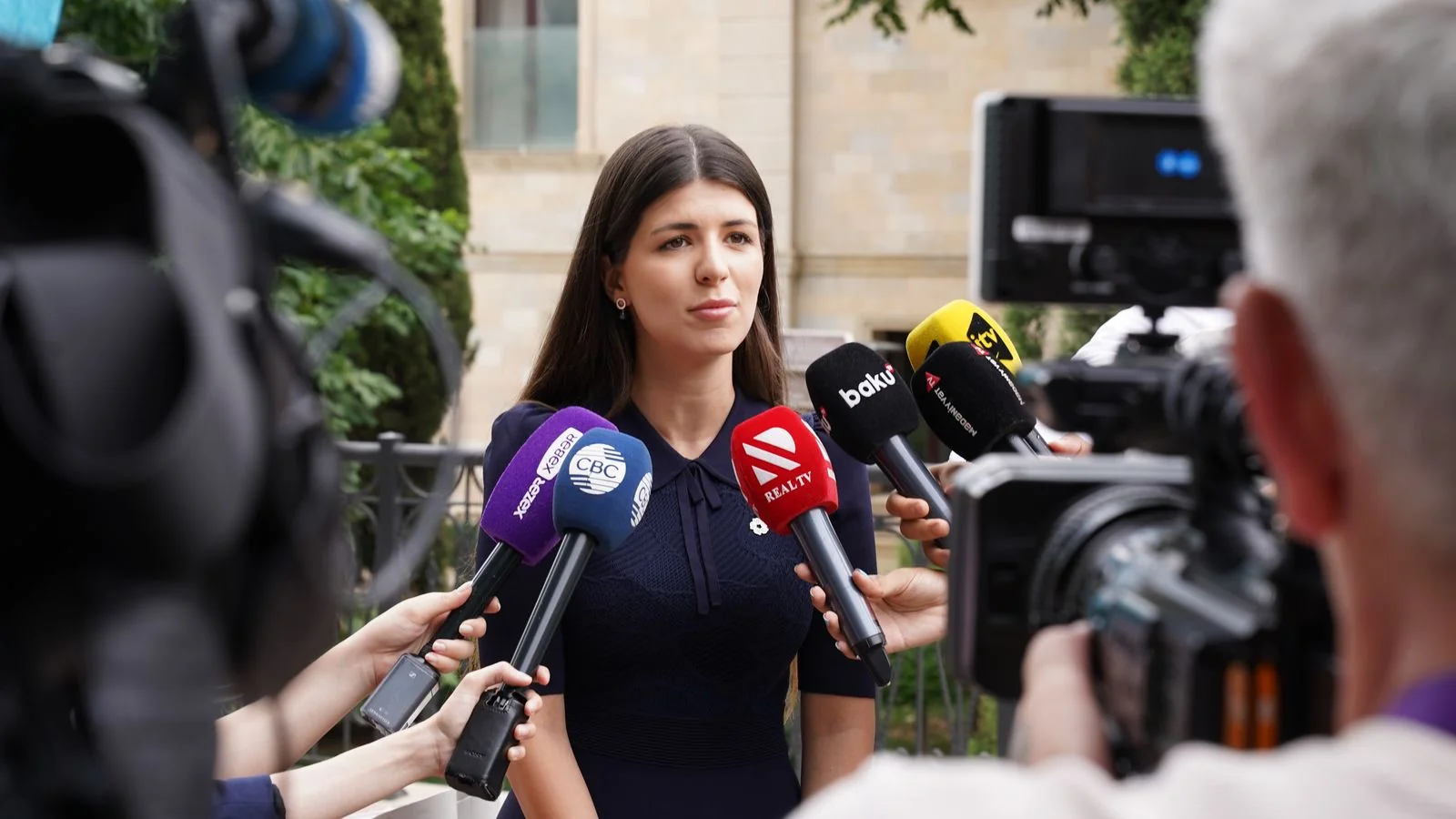
The biggest myth about media interviews is that the people who come across well are the natural talkers. They are not. The people who come across well are the ones who prepared three points and refused to be dragged off them. Charisma helps at the margins, but a nervous founder with a tight message will beat a smooth talker with no plan every single time, because the camera does not reward fluency. It rewards clarity. Media interview preparation is the difference between a clip your audience shares and a clip you wish you could delete.
Here is the uncomfortable part. Most people prepare for the wrong thing. They rehearse answers to questions they hope they get instead of building a message they can return to no matter what they get asked. A good interview is not a quiz you pass. It is a conversation you steer. This plan gets you steering.
Start with the outlet, not your answers
Before you write a single talking point, learn the show. A podcast that runs ninety-minute deep dives needs a completely different version of you than a morning TV segment that gives you ninety seconds. A trade publication reporter wants specifics and data. A general-interest host wants a story their audience can follow without knowing your industry. If you prepare one generic set of answers and deploy it everywhere, you will be too detailed for the broad audience and too shallow for the specialist one.
Spend twenty minutes consuming the outlet directly. Listen to two recent episodes, read three recent articles by the journalist, or watch a segment from the show. You are looking for the format, the tone, the typical question style, and how much time you actually get. A reporter who asks short, pointed questions wants short, pointed answers. A host who tells long setups wants you to play along and build on them. Matching the room is half the job, and almost nobody does it.
While you are at it, find out the logistics that quietly wreck interviews: Is it live or recorded? Remote or in person? How long? Who else is on? Will they take audience questions? A recorded segment forgives stumbles because they can edit. A live one does not. Knowing which you are walking into changes how you pace yourself.
Build a three-message spine
This is the core of all media interview preparation, and it is the step that separates professionals from amateurs. Before the interview, decide on exactly three messages you want the audience to remember. Not ten. Three. These are the points you would be happy to see in the headline. Everything else you say in the interview is in service of getting back to these three.
I call this the Three-Message Spine, and the word spine matters. It is the structure that holds you upright no matter how the questions push you around. When a reporter asks something off-topic, you answer it briefly and honestly, then bridge back to one of your three messages. When they ask something hostile, you stay calm and route back to the spine. The spine is what you control in a situation where you control almost nothing else.
Write each message as a single sentence a normal person would actually say out loud, not corporate jargon. “We help small clinics get found when patients search” beats “we provide omnichannel patient acquisition solutions.” Then, under each message, jot two or three proof points: a number, a short story, a named example. The message is what they remember. The proof is what makes them believe it.
Prepare your bridges before you need them
The single most useful interview skill is bridging: the move that takes you from a question you do not want back to a message you do. The reason to prepare bridges in advance is that you cannot invent them gracefully under pressure. You need a handful of phrases loaded and ready.
Good bridges sound natural, not evasive. “That is part of a bigger picture, which is…” “What I would really point to is…” “I hear that a lot, and here is what actually matters…” “The more important question is…” Practice three or four until they feel like your own words. The goal is not to dodge legitimate questions, which makes you look slippery. The goal is to answer honestly and briefly, then add the context that gets you back on message. A skilled bridge feels like generosity, like you are giving the audience more than they asked for.
The mirror skill is the flag, where you tell the audience that something matters before you say it. “The most important thing I can tell you is…” makes people lean in. Flags double the chance your key line survives the edit, because you have signaled to the producer exactly which sentence is the soundbite.
Rehearse out loud, including the hard questions
Reading your notes silently is not preparation. You have to say the words out loud, ideally to another human who will ask follow-ups. The gap between what reads well in your head and what comes out of your mouth is enormous, and the only way to close it is reps. Record yourself on your phone, play it back, and you will hear every filler word and every answer that ran too long.
Write down the three questions you are most afraid of and rehearse those specifically. The awkward financial question, the question about the competitor, the question about the thing that went wrong last year. The fear comes from not having an answer ready. Build a calm, honest, short answer for each, then bridge back to the spine. Once you have rehearsed the worst question and survived it in practice, the real interview loses most of its teeth. You are no longer hoping it does not come up. You are ready if it does.
A practical drill: have a friend ask you your three messages disguised as ten different questions. If you can return to the spine from any angle, you are ready. If you keep wandering, you need more reps, not more facts.
Handle the medium, not just the message
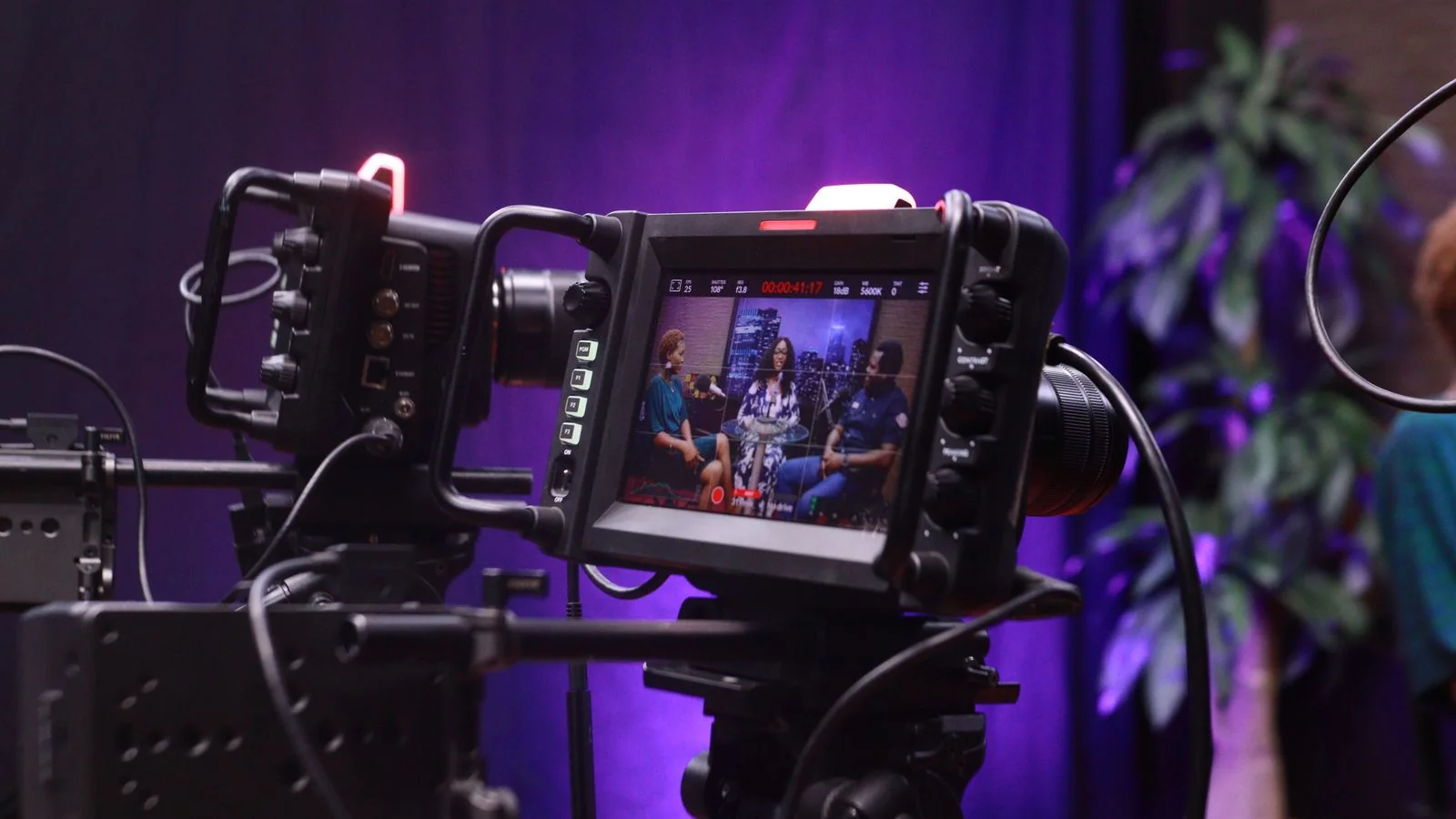
How you come across physically does a surprising amount of the work, especially on camera. For video, look at the lens or the interviewer, not at your own thumbnail. Sit slightly forward. Wear something simple that will not distract. Check your background and your lighting before a remote hit, because a dark, cluttered room undercuts everything you say. For audio-only, smile while you talk, because it genuinely changes the warmth in your voice, and keep your mouth a consistent distance from the mic.
Pace matters more than people expect. Nerves speed you up, and a rushed answer sounds anxious and is hard to follow. Slow down on purpose, leave small pauses, and let your key sentences land. Silence after a strong point feels uncomfortable to you and confident to everyone listening. The pause is also your friend when you need a second to think: a beat of quiet reads as thoughtful, while “um, uh, so, like” reads as unprepared.
Set yourself up before and after
In the final hour before the interview, do less, not more. Cramming new facts makes you scattered. Reread your three messages, say them out loud once, and then stop. Arrive early, test your tech, get a glass of water, and breathe. Confidence in an interview is mostly the absence of last-minute panic, and the way you prevent panic is by having done the work days earlier.
When it is over, the job is not done. Ask when and where it will run, and watch or listen to it when it does, not to cringe but to learn. Note which of your messages survived and which got cut, and tighten for next time. Then make the appearance work harder: share the clip, quote your own best line, and add it to your press page. One well-prepared interview, repurposed well, can do more for your credibility than ten rushed ones. The preparation is the whole game, and now you have the plan to do it right.