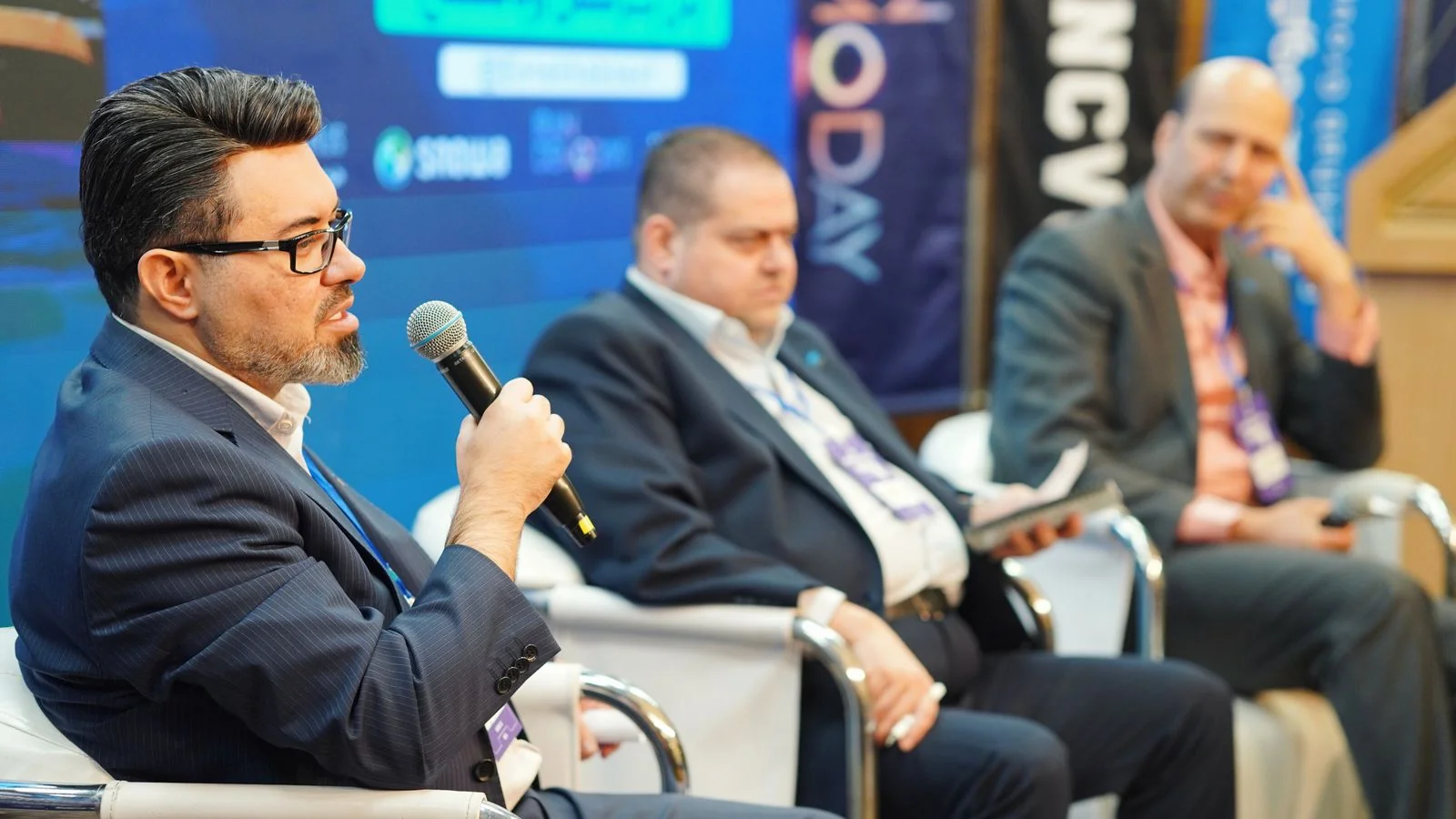
You are standing at the side of the stage, four panelists are miked up, and the audience is settling into their seats with that low expectant hum. In about ninety seconds you will either run a conversation people talk about at the after-party, or you will preside over the kind of limp, meandering panel everyone has sat through and nobody remembers. The difference is not your subject matter expertise. It is whether you understand that moderating a panel discussion is a service job, and the people you serve are the audience, not the panelists and definitely not yourself.
Most moderators get this backward. They prepare to sound smart. They write long preambles, they ask two-part questions, they jump in to add their own take. The good ones do the opposite. They prepare to disappear. Here are the seven moves that separate a panel that lands from one that dies on the vine.
Move 1: do the homework nobody sees
The work that makes a panel look effortless happens days before anyone walks on stage. You need to know each panelist well enough to know what they will say, where they disagree, and which question will make them lean forward. That means reading their recent work, watching them speak if you can find footage, and ideally having a fifteen-minute call with each one beforehand.
On those prep calls, you are hunting for two things: the story only that person can tell, and the topic where they secretly disagree with one of the other panelists. Disagreement is the fuel of a great panel. When I prepped a fintech panel for a regional founders summit, the pre-calls surfaced that two of the four panelists held opposite views on whether to raise venture money at all. I built the middle third of the session around that fault line, and it turned a polite discussion into the segment people quoted for weeks. Without the homework, I would never have known the tension was there.
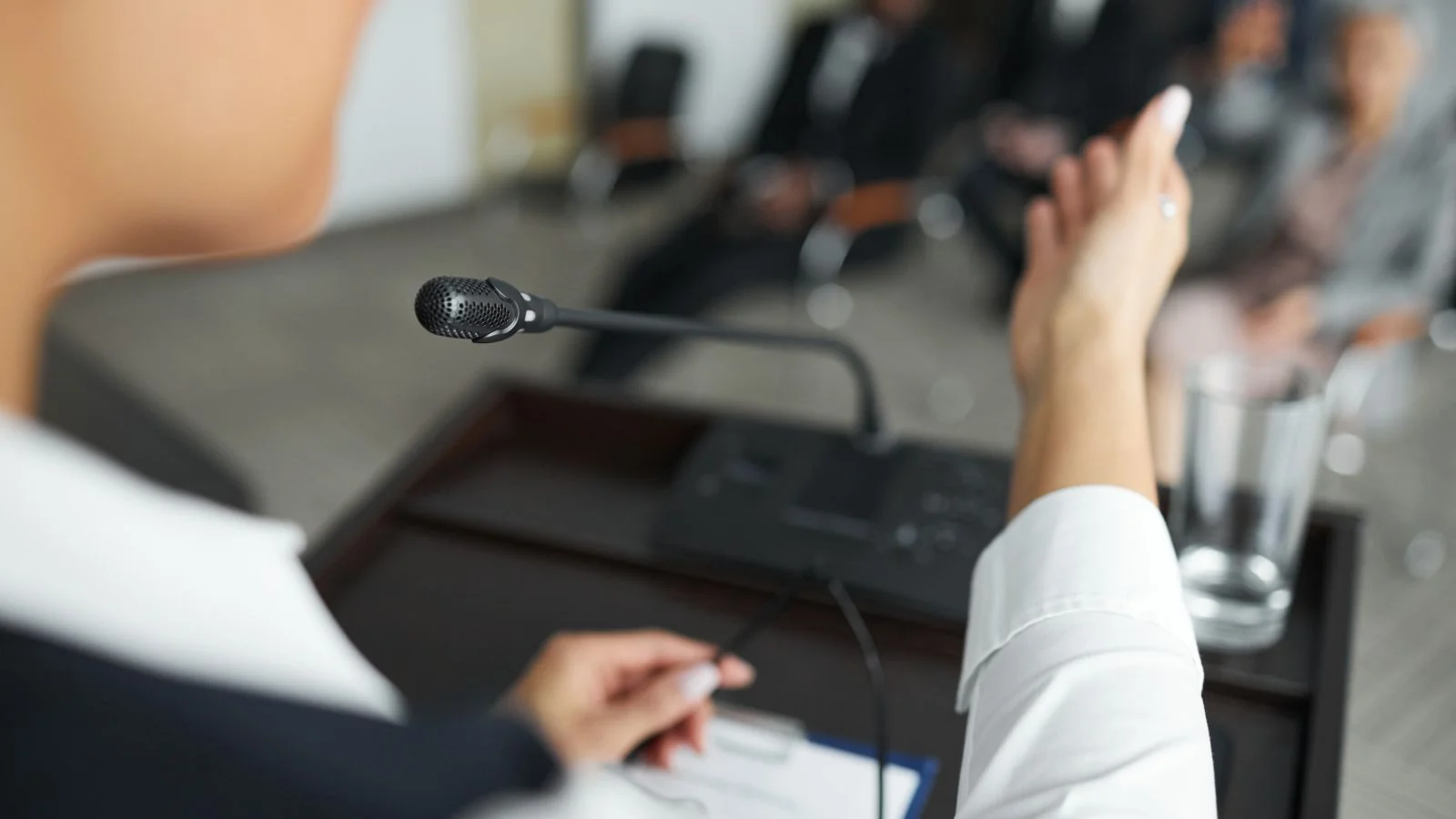
Write a loose run-of-show, not a rigid script. List your opening, four or five anchor topics, the question you will throw to each specific panelist, and a backup question per topic in case the room goes quiet. Then hold it lightly. The script is a safety net, not a cage.
Move 2: open fast and get out of the way
The single most common failure mode is the marathon introduction. The moderator reads each panelist’s full bio, thanks the sponsors, frames the topic for three minutes, and by the time the first real question arrives the audience has already checked their phones. Kill the long open. Introduce panelists in one crisp line each, give one sentence of context for why this conversation matters right now, and ask your first question inside the first two minutes.
Your first question should be easy and human. Not “what is the future of the industry” but something concrete that lets each panelist say one specific thing about themselves and warm up their voice. A good opener earns trust and tells the audience this will move.
Move 3: the Three-Beat Pivot
Here is a framework I teach every moderator I work with. Call it the Three-Beat Pivot, and use it every time you move between panelists or topics. Beat one: you reflect back the last answer in a half-sentence so the audience knows you were listening and the thread stays connected. Beat two: you name the person you are handing to. Beat three: you ask one clean question and stop talking.
It sounds mechanical written down. In the room it is invisible and it makes you sound like the best moderator the audience has ever seen. The reflect-back (“so the lesson there was timing matters more than size”) signals comprehension. Naming the next person (“Priya, you have lived the other side of this”) wakes them up and tells the room who to look at. The single clean question gives them a clear target. The reason panels feel choppy is that moderators skip beat one, lurch to a new topic, and the conversation never accumulates. The Three-Beat Pivot stitches it together.
Move 4: manage the talkers and rescue the quiet
Every panel has at least one person who would happily talk for the full hour and at least one who needs to be invited in. Your job is to balance the airtime, and you have to do it without being rude on a microphone in front of a crowd.
For the over-talker, the cleanest tool is the affirm-and-redirect. Wait for a natural breath, jump in with genuine warmth (“that is a great point, and I want to get Marcus on it”), and pivot. You are not cutting them off, you are sharing the room. Do it early so it sets the norm. For the quiet panelist, do not put them on the spot with a vague question. Hand them a specific one tied to their experience, the kind you surfaced in your prep call. A nervous panelist freezes on “what do you think” and comes alive on “you rebuilt your whole pricing model last year, what did you learn.” Specificity is a kindness.
Move 5: chase the disagreement, not the consensus
Audiences do not remember the parts where four smart people nodded along. They remember the moment two of them disagreed and had to defend their positions in real time. When you sense a fault line, lean into it. Name it out loud: “It sounds like you two see this differently, let me make sure the room hears both sides.” Then let them go a round or two before you step back in.
This is where your homework pays off again. You already know where the disagreements live, so you can steer toward them on purpose instead of hoping they emerge. Keep it respectful and keep it about ideas, never about people, and the tension will feel like the best part of the session rather than an awkward one. A moderator who is afraid of conflict produces a forgettable panel.
Move 6: run the audience Q&A with a firm hand
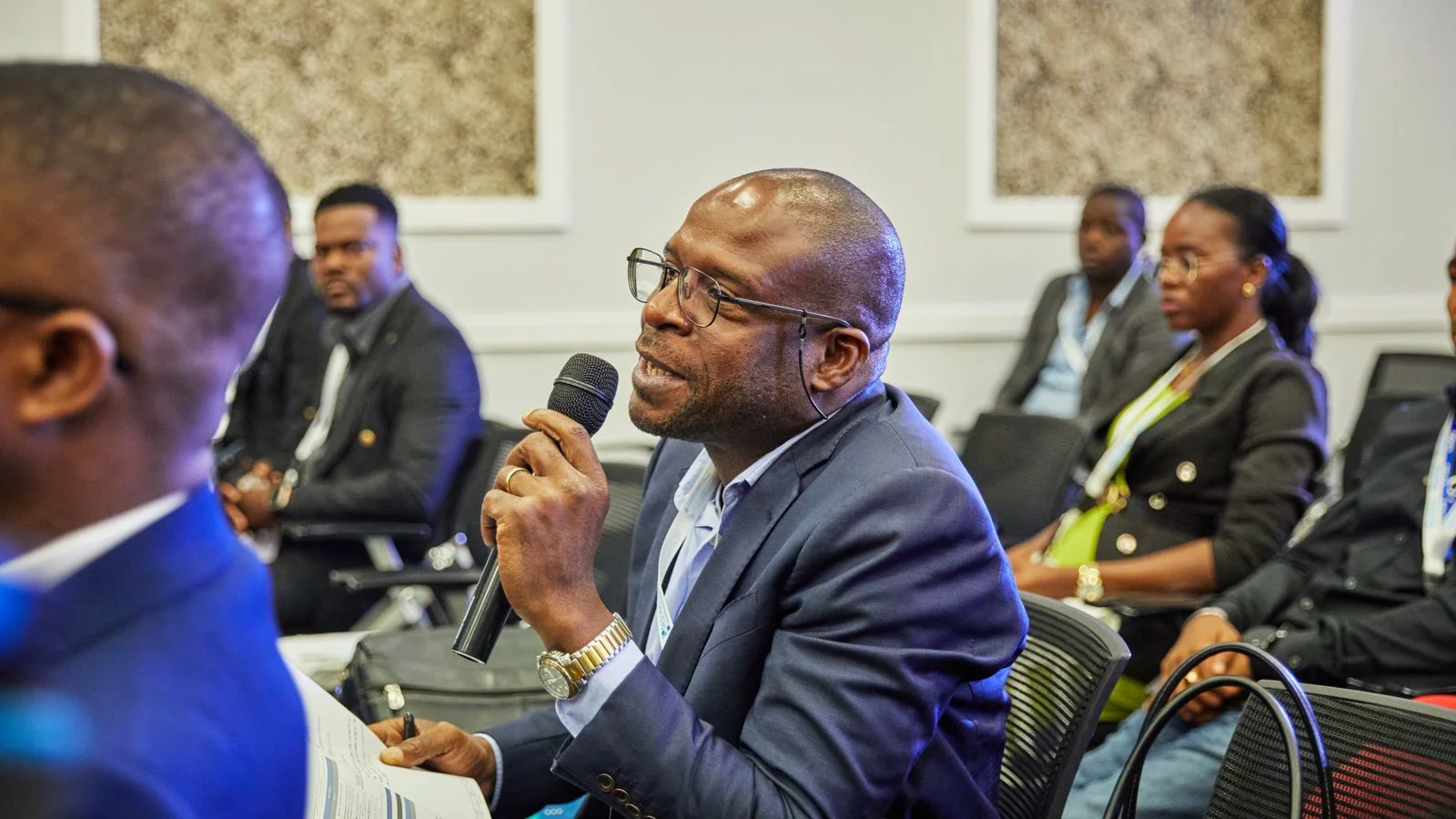
The Q&A is where panels most often unravel, because the moderator hands the microphone to the room and loses control of the clock and the quality. Set the rules before you open it: questions only, keep them short, one per person. When someone starts delivering a speech disguised as a question, it is your job and your right to interrupt gently and ask, “and what is your question for the panel?” The audience will silently thank you.
Have one or two questions of your own ready in case the room is shy, which it often is for the first thirty seconds. Repeat each question into your mic before the panel answers, both so everyone hears it and so you can sharpen a rambling one into something answerable. Decide in advance which panelist you will send each question to rather than letting all four answer every time, which burns your clock and bores the room.
Move 7: land the plane on time
End when you said you would end. Running over is not a sign of a great conversation, it is a sign of a moderator who lost the clock. Watch the time, and when you hit your final five minutes, signal it: “We have time for one last question, and then I want to give each of you a quick final thought.” That last go-around, one tight closing line per panelist, gives the session a clean ending and sends people out with something to carry.
Then thank the panelists by name, thank the audience, and get off the stage. The mark of a moderator who understands the job is that the audience leaves talking about what the panelists said, not about how clever the person holding the microphone was. That is the whole point. You did your job best when nobody noticed you doing it.