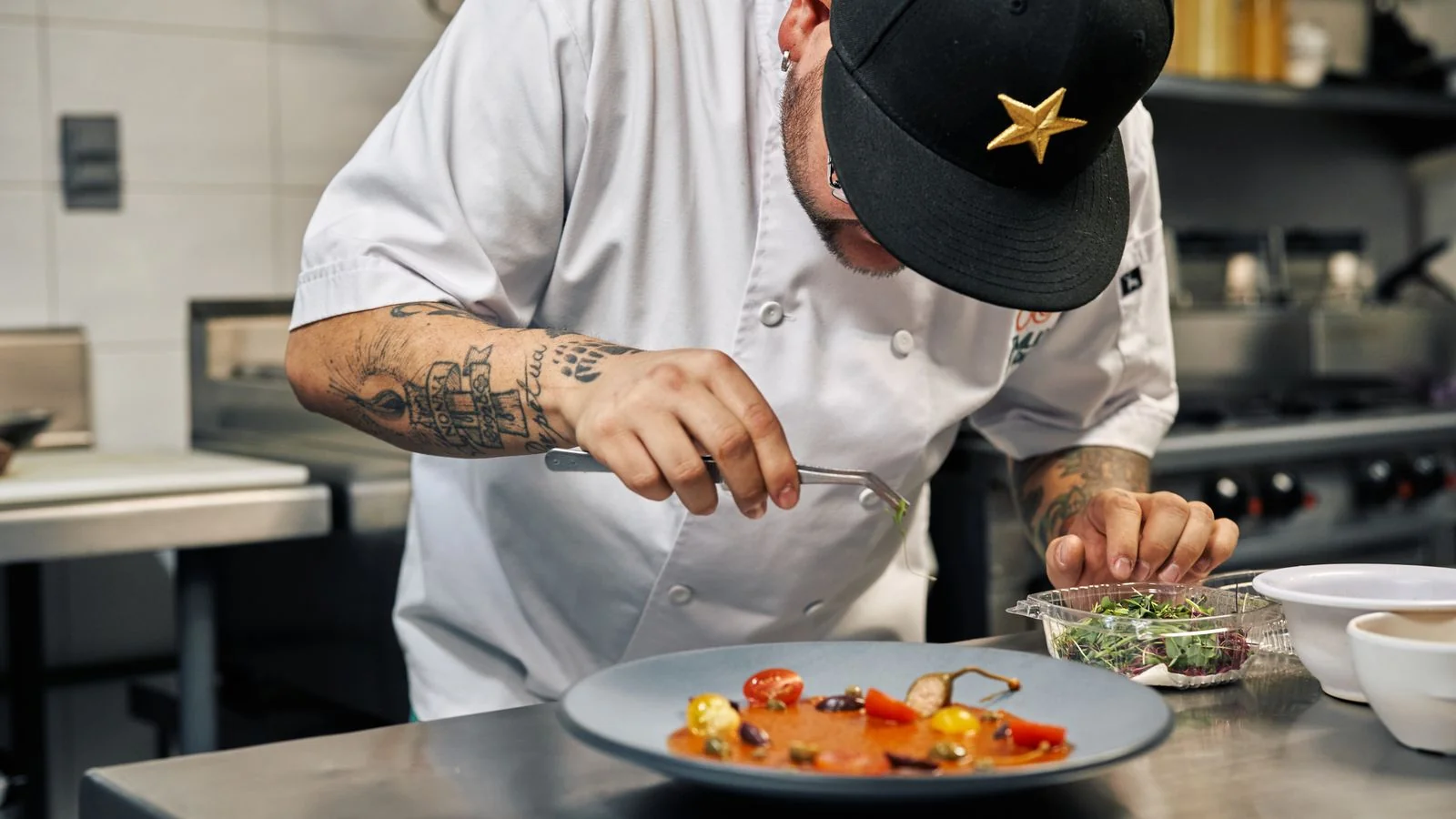
When Eater launched in 2005, it was a single-city blog obsessed with restaurant openings, and its expansion into a Vox Media network of city sites quietly rewired how food coverage works in America. The power moved local. A restaurant in Austin does not get covered because a national editor noticed it; it gets covered because the Eater Austin editor, who tracks every liquor license filing and chef move in town, decided it mattered. Most founders pitching food media still aim at the masthead when the actual door is the city desk.
That is the first of several structural facts that decide whether you get featured in food publications or get ignored, and none of them are about how good your food is. Editors assume the food is good. They are deciding whether you are a story, and stories come in about five shapes. Learn the shapes and the rest of this playbook, the targeting, the timing, the photography, becomes mechanical; skip them and no amount of mechanical excellence will save a pitch that was never a story.
Which pitch shapes actually get opened?
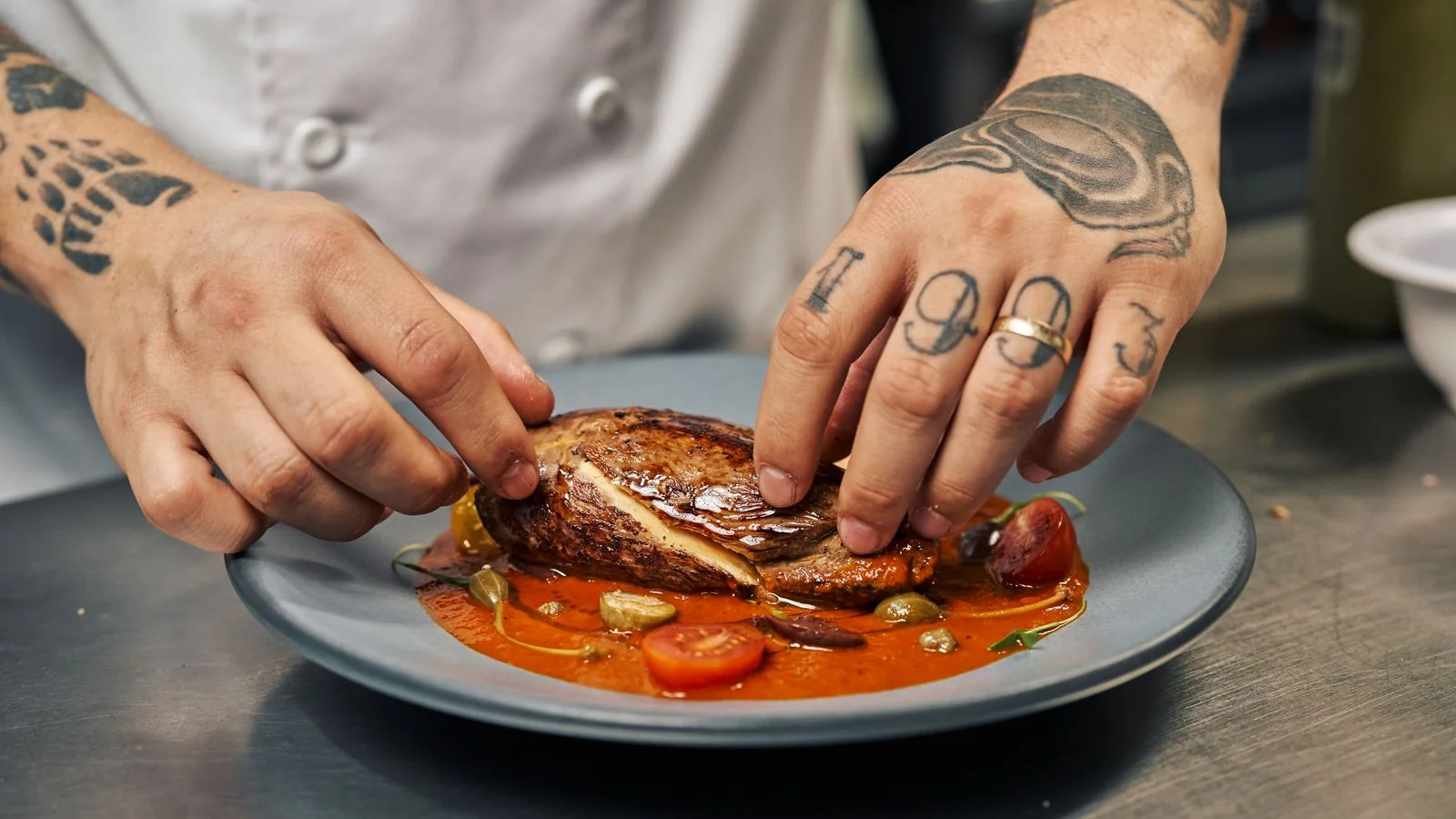
The opening or the move: new restaurant, new location, a known chef changing kitchens. This is the bread of food media and the easiest to place if you respect the calendar, four to six weeks of lead for city sites. The trend evidence: your business as proof of something happening, birria everywhere, the comeback of the supper club, fermentation programs in casual spots. The person: a chef or founder whose path carries the story, the line cook who bought the diner, the engineer who left to make miso. The product with a hook: not “we make hot sauce” but “we make hot sauce from peppers grown on a rooftop in Queens.” The data or the take: something you know from your position that readers cannot get elsewhere, what 200 nights of reservation data says about no-shows.
Pick the shape before you write a word. Pitches die when they are secretly shape one wearing the costume of shape two.
The trend shape deserves an extra note because it is the most misused. Claiming a trend you cannot evidence reads as marketing; documenting one the writer can verify reads as a tip from a knowledgeable source. The difference is the second example. “We are one of three places in the city now doing X, here are the other two” costs you a moment of generosity and buys the pitch its credibility, because you have handed the writer a complete story instead of an ad for your half of one. Food writers remember who gave them whole stories. The restaurant that pointed a reporter to its own competitors in March is the restaurant the reporter calls first in August, and that callback dynamic, more than any single placement, is how some operators seem permanently covered while better cooks stay invisible.
What does the first line have to do?
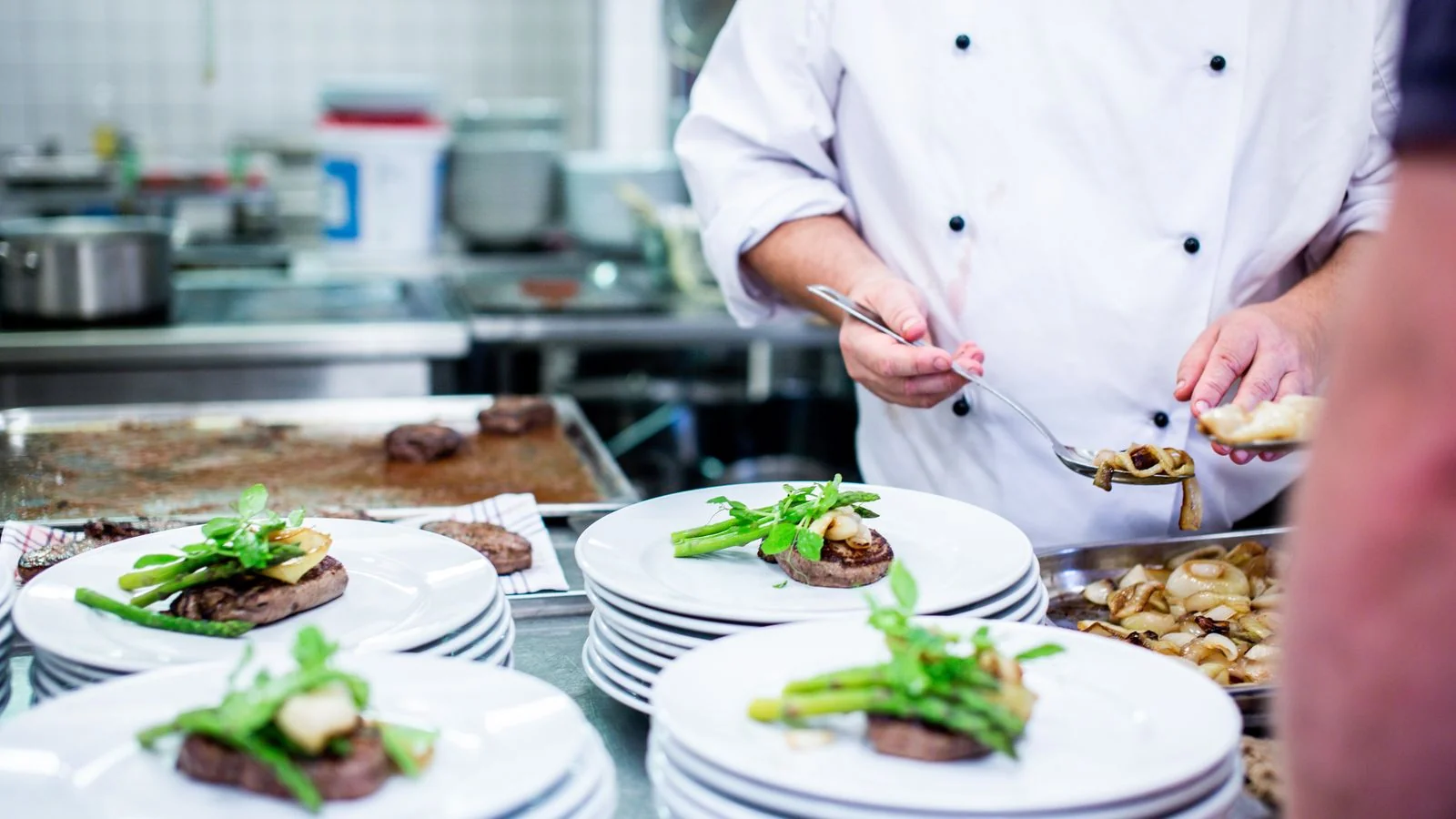
Carry the entire story. Food editors triage fast, and the ones at lean digital outlets are choosing between hundreds of emails, so “Hi, I hope this finds you well” is a deleted email. The first line that works states the story as the editor would headline it: “A third-generation tortilleria is opening Detroit’s first masa tasting menu on July 9.” Everything after that line is supporting detail: names, dates, prices, address, photo link, phone number. If you cannot write the story in one line, you have not found the story yet, and no volume of adjectives will get you featured in food publications without one.
Test your line against the three words that kill food pitches: first, only, and best. Each is a claim an editor must either verify or cut, so use them only when you can prove them in the next sentence, and when you can, they are the strongest words available. “Detroit’s first masa tasting menu” survives if it is checkably true and detonates the pitch if a reader comments with the place that did it in 2023. The honest fallback is specificity without superlatives: not “the best birria in the city” but “birria from a recipe the owner’s grandmother sold from a Tijuana street cart for thirty years.” Specific beats superlative in every inbox, because specific is a story and superlative is a debate.
Who should you actually send it to?
Build a list of fifteen names, not a database of five hundred. The city editor at your local Eater or equivalent. The food writer at your metro paper and alt-weekly. The two or three local food newsletters with real followings. The regional magazine’s dining editor. One or two freelancers who cover your cuisine or category for bigger outlets, findable in the bylines of stories like yours. Freelancers are the most underrated names on the list: they pitch editors for a living, and handing one a strong story means a professional is now selling it for you.
Read each person’s last five pieces first. The pitch that references what they cover converts at a different order of magnitude than the blast, because food media is small and editors compare notes on who sprays.
Maintain the list like a sales pipeline, because that is what it is. Note what each person covered last, when you last contacted them, and what they ignored, so you never re-pitch a dead angle. Follow them where they are public and engage occasionally like a human being rather than a brand, a useful reply, a tip that has nothing to do with you. The tip with nothing in it for you is the most powerful move on the board: telling the city editor about the chef change at someone else’s restaurant marks you as a source inside the scene rather than an owner outside it asking for favors. Sources get coverage as a side effect of being sources. Owners asking for favors get autoresponders.
How do products and packaged goods break in?
The commerce side runs on different rails than restaurant coverage. Gift guides, “best of” roundups, and tested reviews are assembled by writers who need samples in hand, specs they can compare, and retail links that earn affiliate revenue. September and October pitching wins the holiday season; January wins resolution-adjacent wellness food coverage. The packaging carries more of the decision than founders want to hear, because gift guides are photographed flat and a product that looks generic on a white background loses to a worse product that photographs like a present. The sample goes out with no conditions attached, the follow-up is one polite note two weeks later, and the differentiator must survive an actual taste test against the obvious competitors, because testing-based outlets will run the comparison whether you like the result or not.
A specialty food maker who lands one major roundup placement typically sees it syndicate into a dozen smaller “as featured in” mentions, and that citation trail is what AI answer engines read when someone asks for the best small-batch anything. Coverage compounds beyond the click now, which makes the effort to get featured in food publications worth more than the immediate traffic ever was.
The retail story is the product world’s second door, and it is wider than founders think. Landing in a respected grocer, a regional chain, or a notable restaurant’s pantry is itself coverage bait: “the hot sauce that just got picked up by twelve Texas H-E-B locations” gives a food writer a verifiable external endorsement to hang a piece on, the same way an award would. Sequence accordingly. Chase the retail or menu placement first, then spend it as a pitch within the month while it is still news. Founders who reverse the order, seeking press to impress buyers, pitch empty-handed and wonder why the writers pass; writers need evidence the market already voted, and a purchase order is a vote.
What sustains coverage after the first hit?
Editors return to sources who made the first story easy: photos that were actually high-resolution, quotes delivered the same day, numbers that checked out. Keep a press page with current photography, your boilerplate, and past coverage, then re-enter the cycle with the seasonal hooks the calendar hands you, patio season, holiday menus, James Beard semifinalist season in your city, the anniversary with a real number attached. One genuine story per quarter beats a monthly drip of non-news that trains your fifteen names to skip you.
Each placement also needs a second life you control. The day a piece runs, add it to the press page, clip the strongest line for your reservation page and social bios, and send it to your email list with one sentence of context, because the readers most likely to book are the ones who already opted in. Over a year, the citation trail does quieter work too: when someone asks an AI assistant for the best tasting menu or the best local hot sauce in your city, the engines assemble answers from exactly these articles, and the operator with four pieces of earned coverage is legible to that machine in a way the uncovered competitor is not. The pitch you send this month is also a vote for what the answer engines say about you next year, which is the part of food coverage nobody prices correctly yet.
A realistic twelve-month arc for an operator starting from zero looks like this. Quarter one: build the fifteen-name list, shoot the photography, publish the press page, send nothing. Quarter two: pitch the one genuine story you have, the opening, the new menu direction, the retail win, to three names with a staggered sequence, and answer one source request from a food writer if any platform surfaces one. Quarter three: ride the seasonal hook that fits you and tip a writer about something that has nothing to do with you. Quarter four: the anniversary, the year-one number, the trend you can now document from your own books. Four to six placements is a strong first year, and each one lowers the cost of the next, because coverage begets coverage in a beat this small.
The model to study is any restaurant group in your city that seems to be everywhere: trace their coverage backward and you will find the same pattern every time, one city-desk relationship, professional photography, and pitches shaped like stories arriving exactly when the calendar wanted them.