
The Atlanta Journal-Constitution owns the AJC Peachtree Road Race, the July 4th 10K that draws tens of thousands of runners through the streets of Atlanta every year and counts as one of the largest road races in the world. A newspaper that organizes a citywide event is telling you something about itself. The AJC is not a generic metro daily that happens to be located in Georgia. It is an institution woven into the life of Atlanta, and that identity is the single most useful thing to understand before you try to get featured in the Atlanta Journal.
Most pitches to the AJC fail for one reason: they were written for a national outlet and addressed to a local one. They lead with why the company is impressive and bury, or omit, why Atlanta should care. The AJC, owned by Cox Enterprises and headquartered in the city it covers, exists to serve metro Atlanta and the state of Georgia. Its editors are not screening for the most interesting company. They are screening for the most relevant story to their readers. This piece breaks down the six story beats that earn a yes, and how to shape a pitch around them.
Why the Atlanta Journal is harder to crack than national press
It sounds backward. A national outlet has a larger audience, a bigger staff, and a higher bar, so logic says it should be harder. In practice, the AJC is harder for most businesses to crack, because national outlets cover topics and the AJC covers a place.
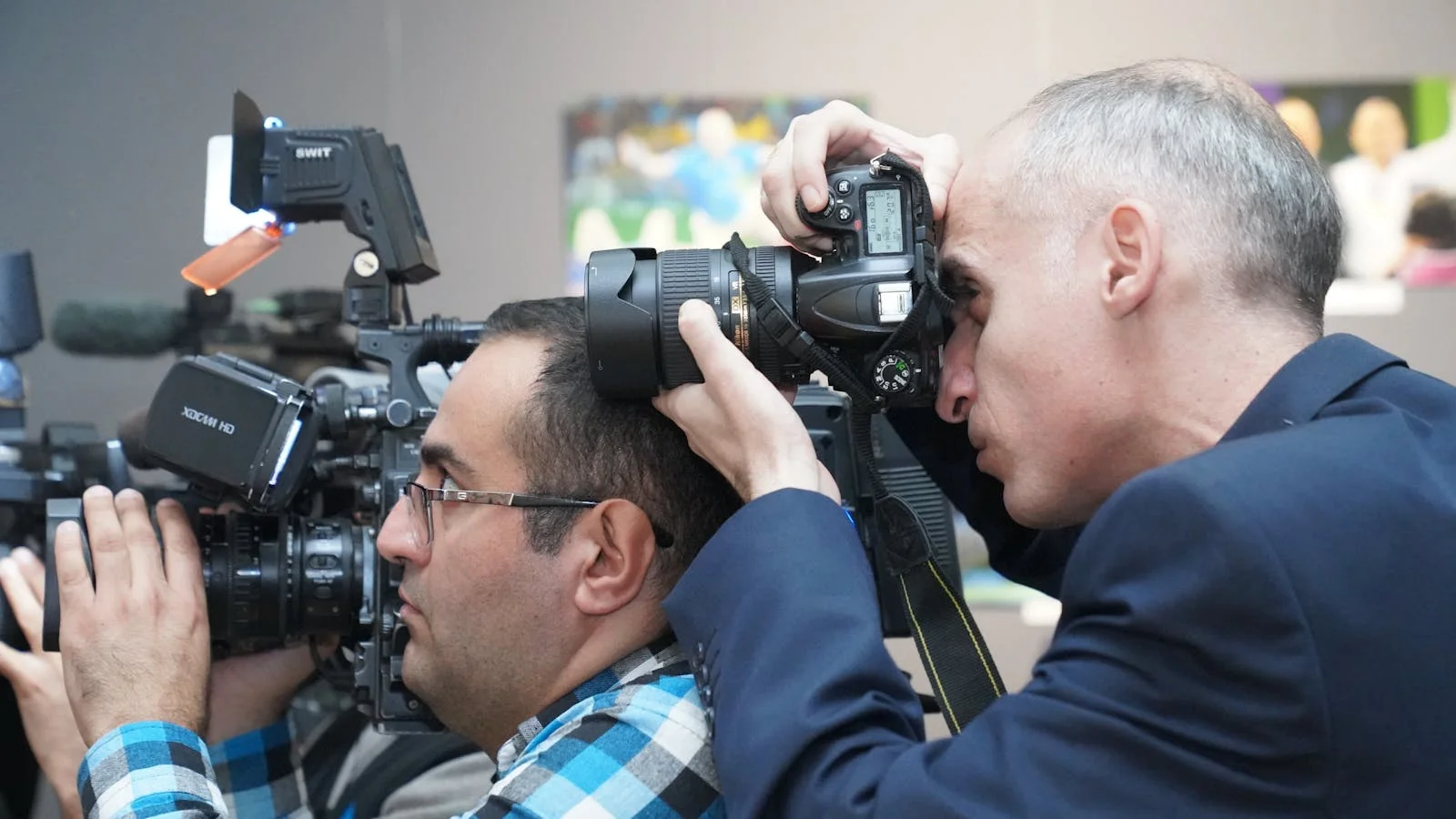
A national business reporter can write about your company from anywhere, because the story is the company. An AJC reporter has a narrower mandate: the story has to matter to people who live in and around Atlanta. That filter eliminates most pitches before the editor finishes the first sentence. Your funding round, your product launch, your award, none of it clears the filter on its own. It clears only when you can answer the question an AJC editor asks of everything: why does this matter here, to our readers, now.
The good news is that the filter is knowable. National news judgment is diffuse and competitive. Local news judgment is specific. Once you understand the six beats the AJC is actually built to cover, the path to get featured in the Atlanta Journal becomes a matter of matching your real story to the right beat, rather than guessing.
The six beats that get a yes
Here is the framework. AJC editors say yes to stories that hit one of six beats. I call them the six beats, and the point of naming them is to stop you pitching in general terms and start you pitching into a specific lane the paper already maintains.
Beat one is the local-first angle: the story is, at its core, about Atlanta or Georgia. Beat two is jobs: hiring, workforce, employment, the things that change how many people in the metro have work. Beat three is the Georgia economy: investment, growth, industry, the money moving through the state. Beat four is the human story: a person whose experience readers will recognize and feel. Beat five is the local expert: a credible Georgia-based voice who can explain something in the news. Beat six is the timely tie-in: your story attaches to something already on the AJC’s agenda this week.
Every business has at least one of these beats available to it. Most have two or three. The mistake is pitching without naming the beat, which forces the editor to do the work of figuring out where the story belongs, and editors do not do that work. They reject. Your job is to walk in with the beat already chosen and the story already shaped to fit it.
Beat 1: lead with the local
The local-first angle is the foundational beat, and it is the one businesses skip most. Lead with Atlanta. Not in the third paragraph, not as a supporting detail, but in the first line of the pitch.

A pitch that opens “Our company just raised 12 million dollars” is a national pitch. A pitch that opens “An Atlanta company has raised 12 million dollars and plans to add 40 jobs at its Midtown office” is an AJC pitch. Same fact, different frame. The second version has done the editor’s work: it has established the local stake before the editor has to ask. To get featured in the Atlanta Journal, you have to make the Atlanta part of the story load-bearing, not decorative.
If the honest truth is that your company has no real connection to Atlanta, no office, no employees, no customers, no founder history in the state, then the local-first beat is closed to you, and you should be honest about that rather than manufacture a thin tie. But most businesses pitching the AJC do have a genuine local stake. They have just never put it at the front, because they were trained by national-outlet thinking to lead with scale instead of place. Reverse the order.
Beats 2 and 3: jobs and the Georgia economy
Jobs and the economy are the AJC’s bread and butter, because they affect every reader directly. These two beats are the most reliable path to coverage for a company, because they convert business news into reader news.
The jobs beat is straightforward. If you are hiring in the metro, that is a story, and the more specific you are, the stronger it is. “We are growing” is not a story. “We are adding 60 roles at a new facility in Gwinnett County over the next 18 months, with an average salary above the county median” is a story, because every number gives the reporter something concrete and the local detail makes it AJC material. Editors care about jobs because readers care about jobs, and a credible hiring story is close to a guaranteed read.
The Georgia economy beat is broader. It covers investment coming into the state, industries growing or contracting, real estate, development, and the forces shaping the region’s economic health. Your company fits this beat when it is evidence of a trend: an out-of-state firm choosing Atlanta, an industry clustering in the metro, a shift in how a sector operates that your business demonstrates. The frame is not “look at our company.” The frame is “our company is proof that something is happening in Georgia’s economy,” and the company is the example inside the larger story. Editors assign trend stories constantly, and a business that arrives as a ready-made example of a real trend is doing the reporter a favor.
Beats 4 and 5: the person and the local authority
Not every story is a numbers story. The human story beat covers people, and it is the beat that produces the warmest, most-read coverage. The AJC, like every strong local paper, wants stories about Georgians that readers will feel: the founder who built something after a setback, the employee whose path is unusual, the customer whose life changed in a way that is genuine and specific. These stories are hard to fake and easy to recognize. If you have a real one, with a real person willing to be named and quoted, you have something an AJC features reporter will want.
The catch is that the human story has to be true and the person has to be willing. A manufactured arc collapses under a reporter’s questions. A genuine one, told plainly, gives the paper exactly what it is short on, which is human texture.
The local expert beat works differently. Here you are not the story, you are the source. When the AJC covers something in your field, a regulatory change, an industry shift, a seasonal trend, a reporter needs a credible Georgia-based voice to explain it. If you have established yourself as that voice, you get the call. You build toward this beat by making yourself genuinely useful to reporters over time: responding fast, explaining clearly, never overselling, and being right. The local expert beat does not get you a feature about your company, but it gets you quoted regularly, your name in the paper, and a relationship with reporters that makes every future pitch land softer. Over a year, being the reliable local expert is one of the most durable ways to stay featured in the Atlanta Journal.
Beat 6: the timely hook
The timely tie-in beat is the fastest, when it is available. It works by attaching your story to something already on the AJC’s agenda. A national news event with a Georgia dimension. A season, a holiday, an anniversary. A local controversy where you have standing to comment. A piece of legislation moving through the Georgia General Assembly that touches your industry.
The mechanics are simple and the timing is unforgiving. A reporter covering a developing story this week needs a local angle, a local voice, or a local example today, not next month. If you can supply it fast, accurately, and without spin, you can earn a mention in a story that was going to run anyway. The way to use this beat is to watch the AJC closely, know which ongoing stories touch your world, and be ready to respond within hours when the moment opens. The timely hook does not wait. A perfect tie-in offered three days late is worth nothing, and the same tie-in offered the same morning can put you in print.
How do you find the right reporter?
The AJC is not a single inbox. It is a building full of reporters, each with a defined beat, and a pitch only works when it reaches the one whose beat matches your story. Sending your pitch to a general news address is the most common waste of a good story.
Find the reporter by reading the paper. Pull up recent AJC coverage of stories close to yours, businesses in your sector, your kind of jobs story, your industry’s trend pieces, and look at the bylines. The reporter who wrote three similar stories in the last two months is your reporter. Read enough of their recent work to know how they think and what angles they favor, so your pitch can speak to their actual beat rather than a generic one. A pitch that says, in effect, “I read your piece on Georgia logistics hiring last month, and I have a story that extends it” tells the reporter you are not blasting a list. That single signal moves you ahead of most of the pile.
Send the pitch that respects their time
The pitch itself should be short, specific, and built so the editor can see the story in 20 seconds. Open with the local angle and the named beat. State the news in one or two plain sentences. Provide the concrete facts: numbers, names, places, dates. Make clear what you can offer, an interview, data, photos, access, a person willing to be quoted. Close with your direct contact information. No attachments the reporter did not ask for, no jargon, no buildup.
Respect the reporter’s time and you signal that you will be easy to work with, which matters more than most people pitching realize. Reporters return to sources who make their job faster. The first time you get featured in the Atlanta Journal is the hardest. After that, if you were accurate, responsive, and easy, you become a known quantity, and known quantities get the next call. Read this week’s paper, find the reporter whose beat is yours, pick the one beat your story honestly fits, and write the pitch around it.