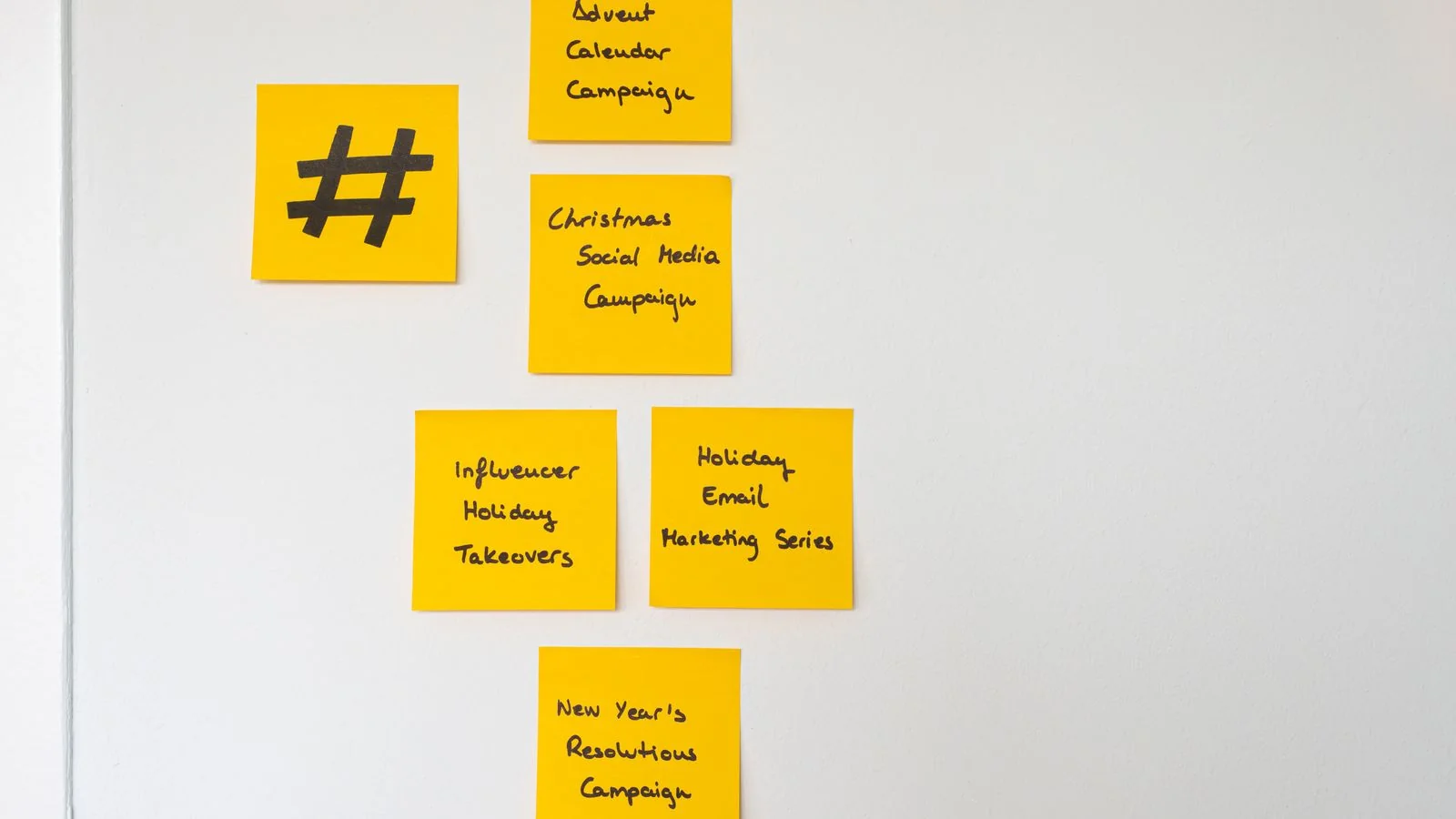
Here is the contrarian truth most marketing advice skips: the calendar is not the hard part. Anyone can fill a spreadsheet with thirty post ideas on a Sunday afternoon. The hard part is week six, when the launch slips, the founder wants an urgent piece on a trend, two people are on holiday, and the carefully built grid quietly dies. Almost every content calendar that fails dies the same way, not from a lack of ideas but from a lack of a system that survives contact with a real, chaotic month. So the goal is not to create a content calendar that looks good empty. It is to create a content calendar that still works when everything goes sideways.
That reframing changes what you build. You stop designing a pretty schedule and start designing a resilient operating rhythm. The five levers below are what separate a calendar that runs a team from a calendar the team abandons by spring.
Before the five levers, it is worth naming why this matters beyond tidiness. A content operation that runs is one of the few marketing assets that compounds, because consistent publishing builds search presence, authority, and a body of work that keeps returning value long after each piece ships. A content operation that lurches and stalls compounds nothing, because the gaps reset the momentum every time. So the calendar is not administrative housekeeping, it is the difference between content that becomes an asset and content that stays a cost.
The reason most teams never get there is that they treat the calendar as a one-time setup rather than an operating system. They build it once, feel productive, and never install the habits that keep it alive under pressure. The five levers below are not about designing a better grid, they are about building the rhythm and the buffers that let the grid survive a real month. Get them in place and the calendar stops being something you rebuild every quarter and starts being something that quietly runs in the background while you do the work.
Lever 1: anchor the calendar to outcomes, not slots
Most calendars are organised by date and channel. Monday a blog post, Wednesday a newsletter, Friday a social thread. That structure tells you when to publish but says nothing about why, and “why” is what keeps people committed when the week gets hard. A calendar anchored to outcomes starts from the handful of business results content is supposed to move: pipeline, sign-ups, search visibility, authority with a specific buyer. Every slot then earns its place by serving one of those, and the ones that serve nothing get cut without guilt.
When you create a content calendar this way, the conversation in week six changes. Instead of “we missed Monday’s post,” it becomes “we have published nothing toward the demo-booking goal in two weeks, that is the gap to close.” The first framing produces shame and abandonment. The second produces a decision. Outcome anchoring also makes prioritisation trivial when the founder drops an urgent request: you ask which outcome it serves, and if the answer is real, something lower-value moves to make room. The grid bends instead of breaking.
Lever 2: build a backlog before you build a schedule
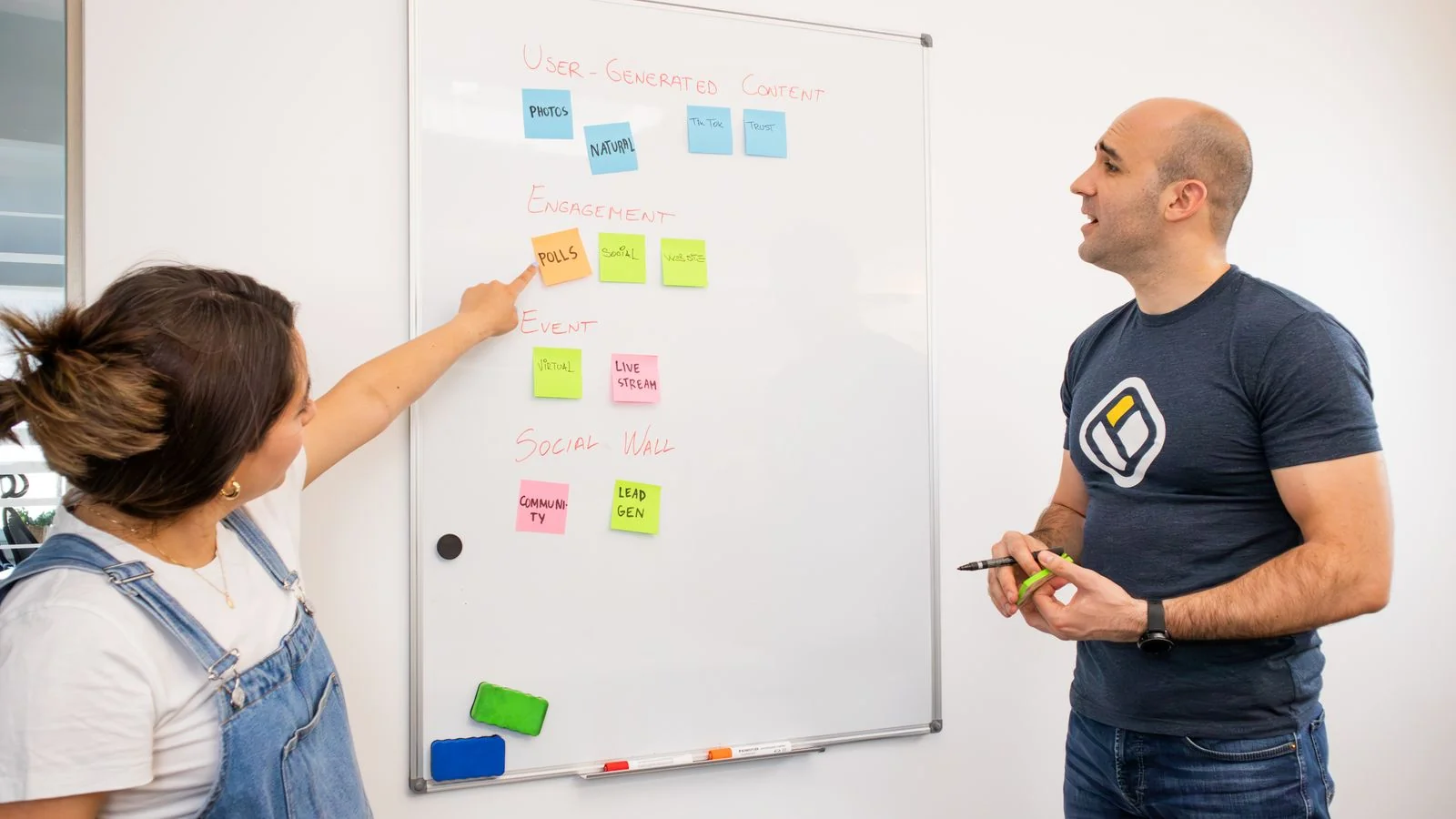
The reason calendars stall is almost always an empty pipeline of ready ideas, not a scheduling problem. When the next slot arrives and nobody knows what goes in it, the slot gets skipped, and one skip becomes a habit. The fix is to separate idea generation from scheduling entirely. Keep a running backlog of vetted topics, each with a one-line angle and the outcome it serves, and let it grow continuously. Scheduling then becomes the easy act of pulling the next best item off a stocked shelf rather than inventing under deadline.
A healthy backlog runs at least three or four times deeper than your publishing cadence. If you ship two pieces a week, you want a standing reserve of twenty-plus ready angles, so a sick day or a slipped launch never empties the shelf. This buffer is the difference between a calendar that survives a bad month and one that does not. The work of refilling the backlog happens in calm moments, which protects you during the busy ones.
Lever 3: install the cadence ledger
This is the lever almost nobody runs, and it is the one that makes the whole thing durable. The cadence ledger is a simple running record of what you committed to publish, what you actually published, and the gap between them, tracked week over week. Not a guilt log, a feedback instrument. Most teams have no idea whether they hit their own cadence because they never measure it, so drift goes invisible until the calendar has quietly collapsed.
The cadence ledger makes drift visible while it is still small. Three columns: planned count, actual count, running variance. When the variance creeps negative two weeks running, that is your early warning that the plan exceeds the team’s real capacity, and you correct by lowering the cadence to something sustainable rather than pretending the original number was sacred. A calendar promising ten pieces a month that delivers four is worse than one promising five that delivers five, because the first teaches the team that the calendar is fiction. The ledger keeps the plan honest, and an honest plan is one people keep.
Lever 4: design for the interrupt
Every content operation gets interrupted. A competitor launches, a news story breaks in your space, the CEO has a strong opinion that needs a post by Thursday. Calendars that pretend interrupts will not happen shatter on the first one. Calendars that build a lane for them absorb the shock. So reserve capacity on purpose. If you publish eight pieces a month, plan only six and hold two slots open for the reactive, timely work that always materialises.
This reserved capacity does double duty. In a quiet month, it becomes bonus evergreen content pulled from the backlog. In a chaotic month, it absorbs the urgent request without knocking a planned piece off the rails. When you create a content calendar with slack designed in, the founder’s Thursday request stops being a crisis and becomes a slot you already left open. Tight calendars feel productive and break constantly. Calendars with deliberate slack feel almost too relaxed and survive for years.
Lever 5: review on a fixed rhythm, not on vibes
The final lever is a standing review, short and frequent, on the same day every week. Fifteen minutes is enough. You check the cadence ledger, look at what published and how it performed against its outcome, refill the backlog if it dipped below the buffer, and confirm next week’s slots. The fixed rhythm matters more than the length, because content calendars do not fail in dramatic blowups, they fail through small unattended drift, and a weekly checkpoint catches drift while it is cheap to fix.
The review is also where the calendar learns. A topic that hit its outcome tells you to make more like it. A slot that keeps getting skipped tells you the cadence is wrong or the topic was thin. Over a quarter, these small corrections compound into a calendar tuned to your actual team and your actual results, which is the only kind worth keeping. Build the grid for the month you will really have, not the month you wish you had, and it will still be standing when the easy ones have long since been deleted.
Where to start with your content calendar
If this feels like a lot, start small, because a calendar that runs five real pieces beats one that promises twenty and delivers four. Begin by writing down the two or three business outcomes your content is actually meant to move, in plain language, with no jargon. That single list is the spine of everything else, and most teams have never written it down, which is precisely why their calendars drift. Spend an afternoon on it and you have already done more strategic work than the team filling a spreadsheet with thirty dates and no reasoning behind any of them.
Next, build the backlog before you build a single date. Brainstorm and vet twenty or more topics, each tagged with the outcome it serves and a one-line angle, and resist the urge to schedule anything until the shelf is stocked. This order matters more than it looks, because a stocked backlog is what makes the calendar survive a bad week. When you finally do create a content calendar from that backlog, you are pulling from a reserve instead of inventing under pressure, and the difference shows up in week six when the lazy version would have collapsed.
Then install the two habits that keep it alive: the cadence ledger and the weekly review. Track planned versus actual every week, watch the variance, and meet with yourself or your team for fifteen minutes on the same day each week to refill the backlog and confirm next week’s slots. Reserve a slot or two for the inevitable interrupt. These habits are unglamorous and they are the entire reason some calendars run for years while others die by spring. The teams that win at content are not the ones with the prettiest spreadsheet, they are the ones who built a rhythm durable enough to survive a real, chaotic month, and then kept it.
None of this requires special software or a big team. A simple shared sheet with your outcomes at the top, a stocked backlog tab, a cadence ledger tracking planned against actual, and a recurring fifteen-minute weekly review will outperform the most expensive content tool run without discipline. The tools are not the point, the rhythm is. Start this week by writing your two or three outcomes and brainstorming twenty backlog topics, and do nothing else until those exist. Then schedule from the backlog, install the ledger and the weekly check, and protect a reserve slot for the inevitable interrupt. Do that, and six months from now you will have a content operation that compounds while the teams that chased a prettier spreadsheet are starting over again.
The deeper payoff is that a calendar built this way changes how content feels to the people running it. Instead of a source of guilt and last-minute scrambling, it becomes a calm, predictable system that absorbs chaos and keeps producing. That shift, from dread to rhythm, is what keeps a team publishing long enough for the compounding to actually arrive.
If you remember one thing, make it this: a calendar you can sustain beats an ambitious one you cannot, every single time. The teams that win at content are rarely the most creative or the best resourced. They are the ones who chose a realistic rhythm, built the backlog and the ledger to protect it, and then simply did not stop. Pick the cadence you can hold on your worst week, not your best one, and let consistency do the compounding that talent alone never will.