
The BBC maintains its own ways of finding credible experts, runs initiatives to widen the pool of voices it draws on, and its producers say the same thing in interview after interview: they are constantly hunting for people who can explain a topic clearly, on short notice, without rambling. That last part is the whole secret. Getting on the BBC as an expert is less about being the most qualified person in your field and more about being the most useful person a producer can reach when they have ninety minutes to fill a slot and a deadline breathing down their neck.
That reframing changes everything about how you approach it. You are not auditioning to be the world authority. You are making yourself the easy, reliable choice for a stressed producer. Here are the five routes that actually lead to a booking, ordered roughly from fastest to slowest.
Route 1: respond to journalist requests, fast
Journalists and producers, including those at the BBC, put out public requests for sources constantly, on social platforms with hashtags like journorequest, through media-request services, and in their own networks. They are saying, in effect, “I need an expert on this topic today.” If you can spot those requests and respond well within the hour, you have skipped the entire cold-pitch process. They asked. You answered.
The winning response is short and immediately useful. Lead with one sentence on why you are qualified, then give them something they can use right now: a clear take, a specific data point, a sharp quote. Do not send a CV and ask for a call. The producer is on a deadline and wants to know in ten seconds whether you solve their problem. Include your phone number and your availability. Speed and usefulness beat prestige here every time, because a brilliant expert who replies tomorrow is useless to a producer who needed someone this afternoon.
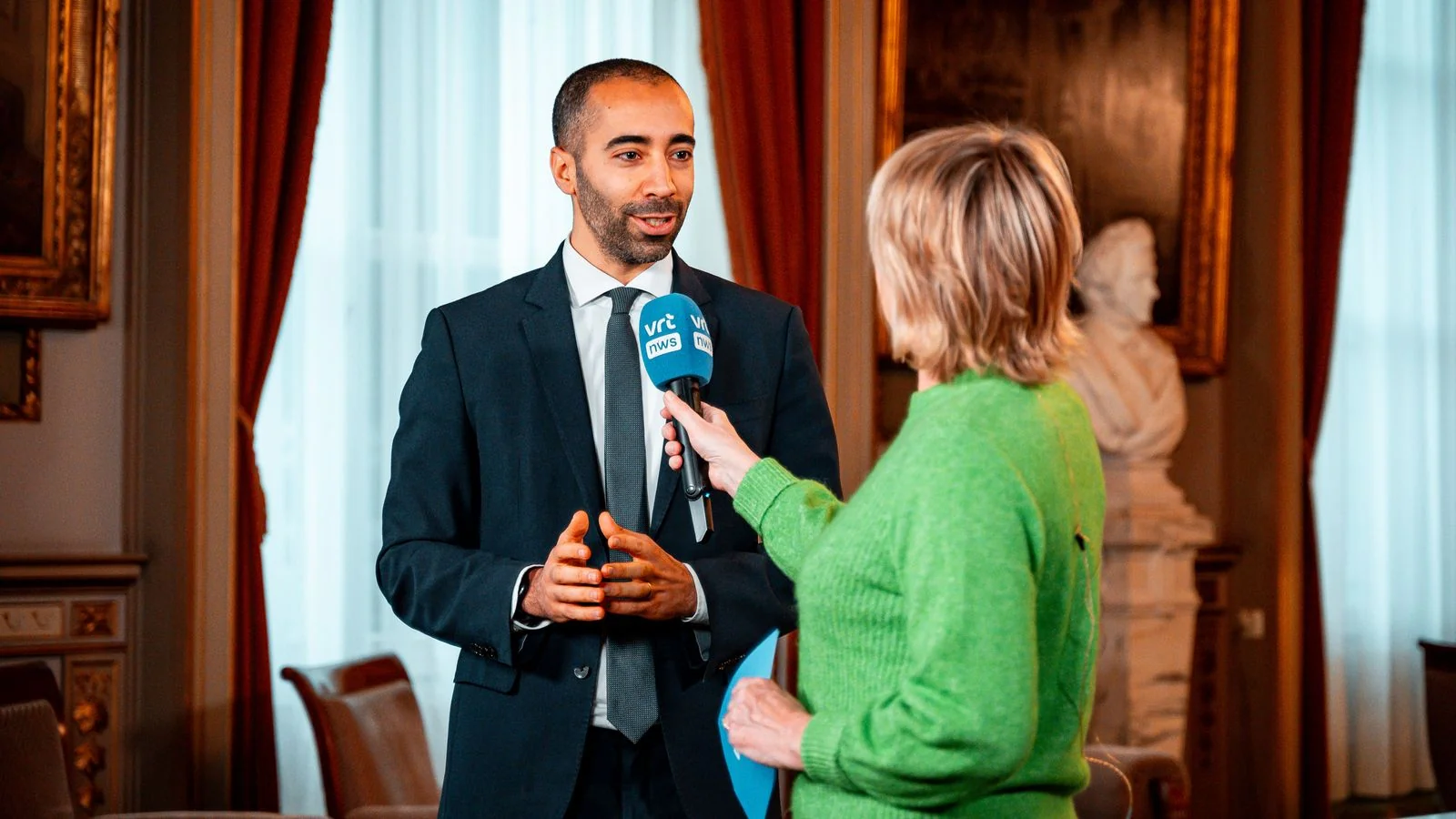
Route 2: register where producers go looking
The BBC and its journalists use expert databases and source directories to find contributors, and several initiatives exist specifically to broaden the range of experts the broadcaster draws on, particularly to surface voices outside the usual circle. Getting yourself into these pools means that when a producer searches for an expert in your area, your name can come up without you doing anything in that moment.
Build a clear, findable expert profile. State your specialism in plain terms, list your credentials, and make your contact details obvious. Where the BBC or its partners run schemes to register experts in specific fields, sign up. The point of this route is to be discoverable on the producer’s timeline, not yours. It is slower to pay off than responding to a live request, but it works while you sleep, and a single database entry can produce bookings for years.
Route 3: climb the Source Ladder
Here is a framework worth internalising. Think of broadcast media as a Source Ladder. At the bottom are local and community outlets, in the middle sits national radio and specialist programming, and at the top are flagship national television news and current-affairs shows. Producers higher up the ladder routinely look for guests who have already performed well lower down, because a recorded clip of you being clear and calm on air is the best possible audition.
So do not start by pitching the flagship show. Start lower, get the reps, and build a reel. BBC local radio in particular runs a near-constant need for expert voices and is far more reachable than national television. Get on a local programme, be excellent, save the clip. Then use that clip when you approach the next rung. Climbing the ladder deliberately turns “trust me, I am good on air” into “watch this.” Producers book the proven, and the only way to become proven is to start where the bar is lower.
Route 4: become the timely voice on a live story
Producers are not looking for experts in the abstract. They are looking for an expert who connects to whatever is in the news right now. The expert who gets booked is the one who ties their knowledge to the live story before anyone else does. When something breaks in your field, a regulation changes, a company collapses, a new technology lands, that is your window, and it is narrow.
Move fast when your topic is in the news. Reach out to the relevant programme with a specific, timely angle: not “I am an expert in cybersecurity” but “I can explain in plain language what this morning’s breach means for ordinary people, and what they should do today.” Make the connection between your expertise and the headline obvious, because the producer does not have time to figure out your relevance. Newsworthiness plus availability is the combination that opens the studio door. The experts who get on air repeatedly are the ones watching the news for their moment and pouncing.

Route 5: build a media-ready presence that does the convincing for you
When a producer is deciding whether to book you, they will look you up, and what they find in those sixty seconds either reassures them or stops them. A media-ready presence quietly removes the risk of booking a stranger. That means a clear professional bio, a way to contact you immediately, evidence of your expertise, and ideally clips or quotes showing you have handled media before.
Put together a simple press or media page: who you are, what you can speak on, your contact details, and any past appearances or coverage. Keep your professional profiles current and consistent, because contradictions make a producer nervous. The goal is that when they check, everything they see says “this person is credible, articulate, and safe to put on air.” You are de-risking their decision. A producer takes a small professional gamble every time they book a guest, and the experts who get chosen are the ones who make that gamble feel safe. Be clear, be reachable, be proven, and the BBC stops being a closed door and starts being a phone call you are ready to answer.