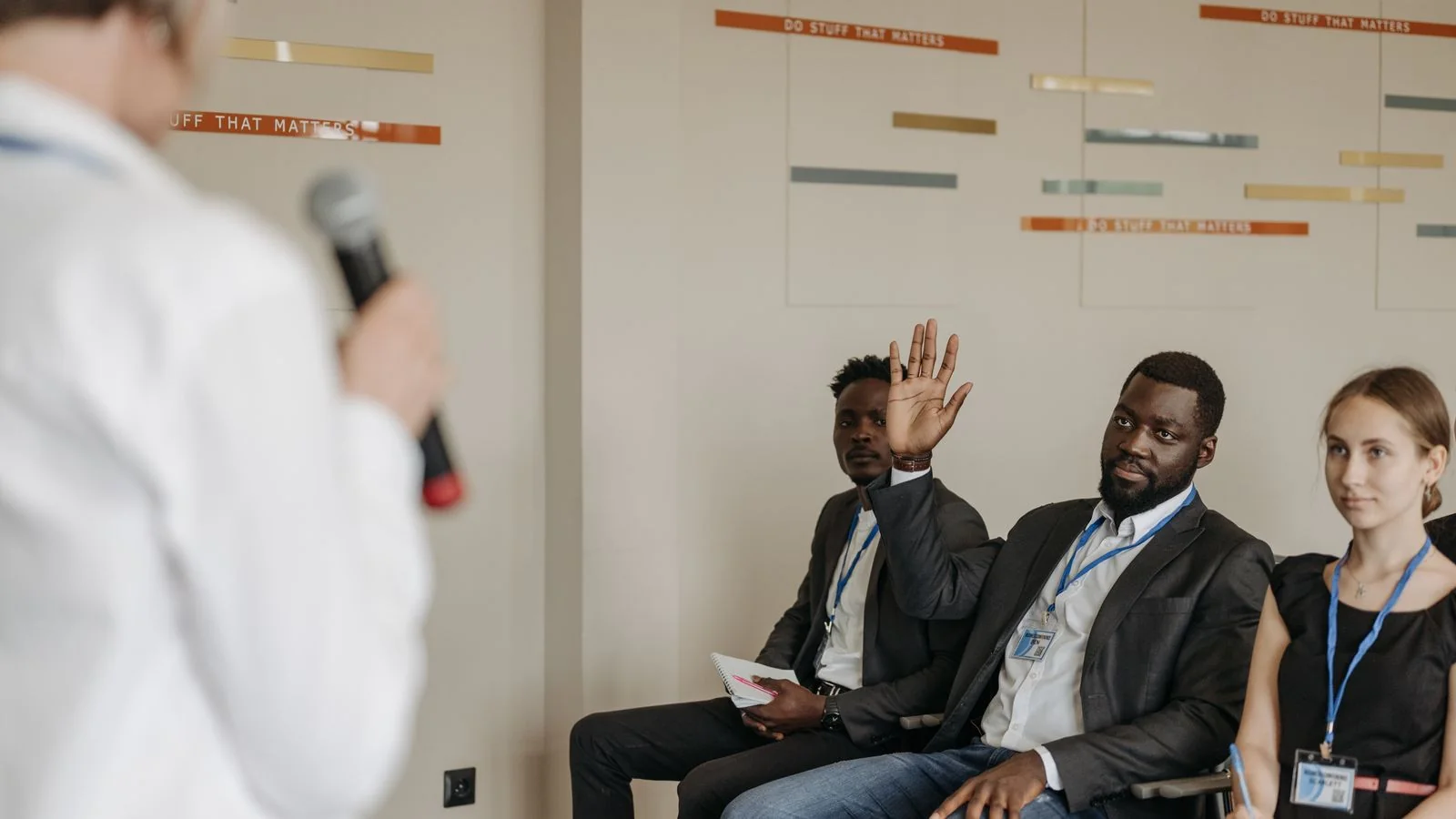
A few years into building in the AI search and PR space, I noticed something about the people who always seemed to be on the stages and the guest lists at events like SaaStr and the smaller regional founder summits. They were not, for the most part, the most famous people in the room. They were the people the organizers already knew, already trusted, and already associated with a clear topic. The invitations were not lightning strikes. They were the predictable result of a footprint those people had built on purpose, long before anyone sent an email.
That is the reframing that changes your odds. Industry events do not invite strangers, and they do not invite the most qualified person they have never heard of. They invite people whose name already comes up when the topic comes up. Your job is not to wait to be discovered. It is to become the obvious person to invite. Here is how that actually happens.
Stop waiting and start being visible on the topic
The single biggest reason people do not get invited is that the organizers have no idea they exist or no idea what they would talk about. Event programmers build their lineups from people who are already visible and clearly associated with a specific subject. If you are quietly excellent but invisible, you are not on anyone’s list, because there is no list you are on.
So pick a lane and be loud in it. Publish your thinking consistently, in writing, on the platforms where your industry actually pays attention. The goal is that when an organizer thinks about who covers your topic, your name surfaces without effort. This is what I call your pre-invitation footprint: the trail of visible, on-topic work that exists before any invite is on the table. Organizers do not create that association in the moment they plan an event. They draw on the one you already built. The work you publish this quarter is what makes you inviteable next quarter.

Build relationships with the people who actually decide
Invitations come from humans, specifically the organizers, programmers, and well-connected attendees who shape who gets on the list. The uncomfortable truth is that a large share of speaking slots and guest invites flow through relationships, not open applications. So the question is not only “am I visible,” it is “do the right people know me.”
Get to know organizers before you need anything from them. Attend the event as a regular attendee first and be genuinely useful and memorable there. Engage with the organizers’ work online in a real way, not as flattery but as participation. Help them: offer a connection, share their event, refer a great speaker even when it is not you. When you have been a generous, known quantity in someone’s orbit, asking to be considered for next year stops being a cold pitch and becomes a natural conversation. People invite people they know and like, and that liking is built in the months when you want nothing.
Apply, pitch, and ask, because many slots are open
Visibility and relationships do a lot, but plenty of events also have open speaker applications and explicitly invite pitches, and far fewer people use these than you would expect. Organizers genuinely need good speakers and good panelists, and they cannot always find enough, which means a strong, specific pitch lands on a more receptive desk than the prestige of these events suggests.
When you pitch, do not pitch yourself, pitch a session their audience needs. Propose a specific talk or panel topic, explain why it matters to their attendees right now, and show why you are the credible person to deliver it. Make their job easy: a clear title, a tight description, a sentence on your relevant proof. The mistake people make is asking to speak in the abstract. The win is handing the organizer a ready-made session that obviously fits their program. Search out the open calls in your industry and pitch them deliberately, because the slot you never asked for is the slot you never get.
Speak well once and let it compound
Here is the part that turns one invitation into a stream of them: do an excellent job the first time and capture the proof. Event organizers talk to each other, and they constantly look for speakers who have already proven they can hold a room. A recording of you giving a clear, valuable talk is the most persuasive credential you can have, because it removes the organizer’s biggest fear, which is booking someone untested who bombs.
So treat your first opportunities, even small ones, as auditions for bigger ones. Local meetups, webinars, podcasts, a panel at a modest conference, all of them produce clips and credibility you can carry forward. Get the recording, save the testimonial from the organizer, and use both when you approach the next event. This is the flywheel: visibility earns the first invite, a strong performance earns the proof, and the proof earns the next invite more easily than the first. Each appearance lowers the barrier to the one after it.
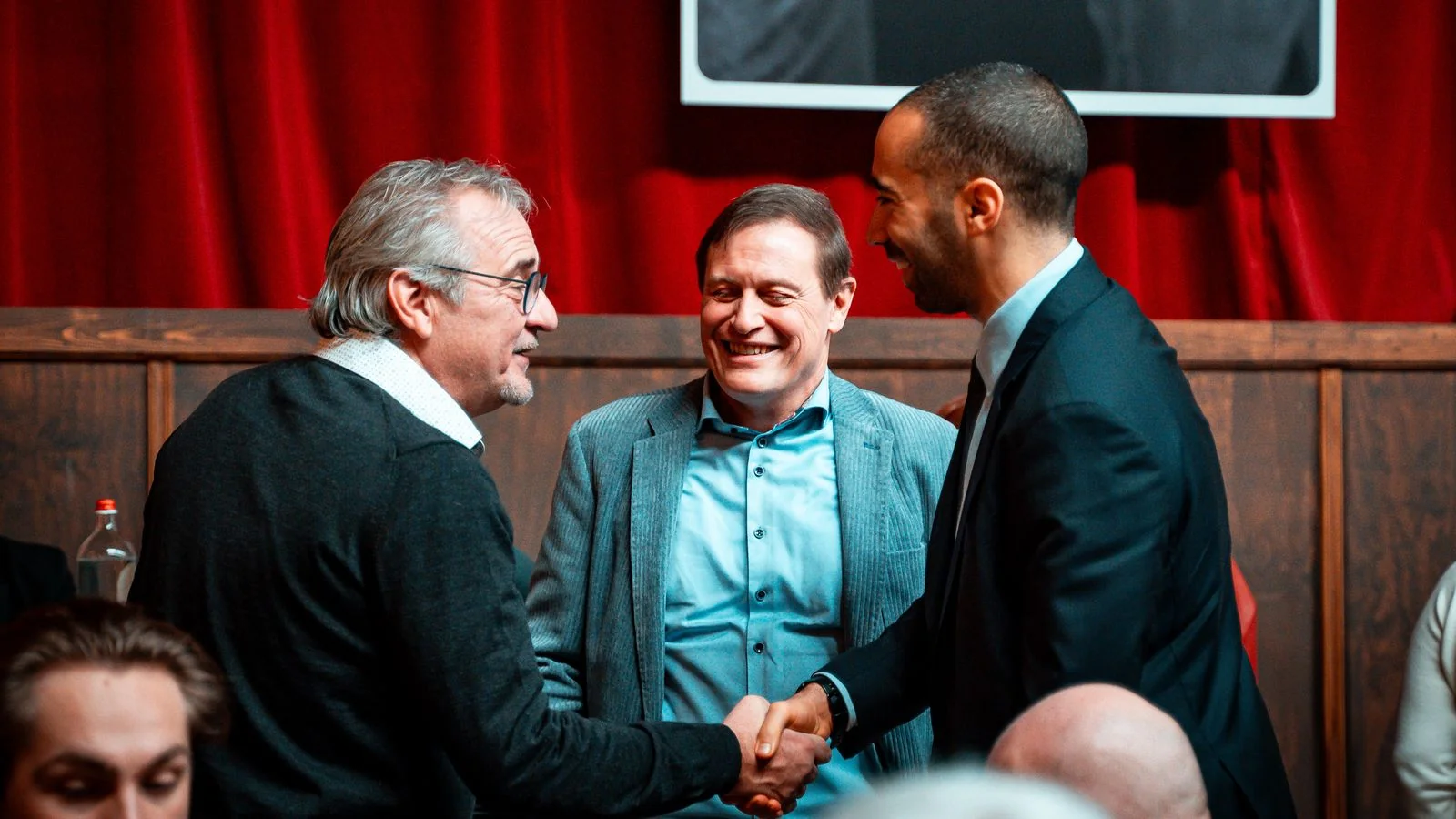
Make yourself the safe, easy choice
Underneath all of this is a single principle: organizers are managing risk and effort, and they invite the people who minimize both. A speaker or guest who is visible on the topic, known to the team, easy to work with, and proven on stage is a low-risk, low-effort yes. A talented stranger who is hard to find, hard to vet, and unknown is a maybe that usually becomes a no.
So be the easy yes. Keep a current, findable presence that makes vetting you take thirty seconds instead of an investigation. Be responsive and pleasant in every interaction with the people who run these events. Make it obvious what you speak about and that you do it well. None of this requires fame. It requires being deliberately visible, genuinely connected, and demonstrably good, which are all things you can build starting now. Do that, and the invitations stop feeling random. They start feeling like the natural consequence of work you already did.